
Best Sulfate-Free Shampoos for Chemically Straightened & Relaxed Hair
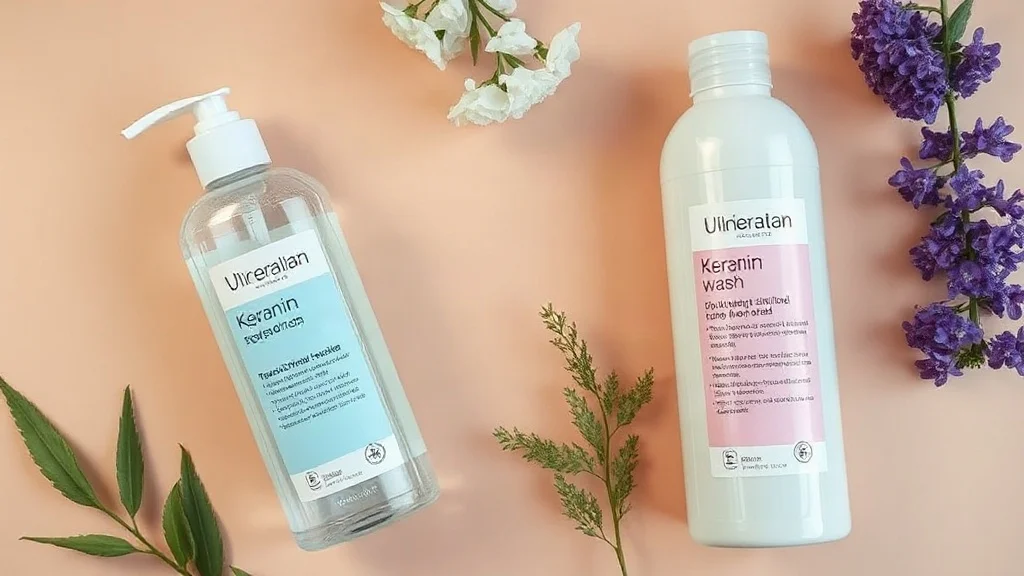
Achieving the perfect, sleek finish through a chemical relaxer or straightening treatment is an investment in both time and hair health. However, the chemistry behind these services fundamentally alters the architecture of the hair shaft, leaving it more susceptible to moisture loss, mechanical breakage, and environmental stress. To maintain that salon-fresh smoothness and protect the integrity of the fiber, the most critical decision you make occurs in your shower: the choice of cleanser.
Quick Verdict: Switching to a certified sulfate-free shampoo is the single most effective way to preserve hair hydration, protect artificial hair color, and extend salon keratin treatments. By eliminating aggressive anionic surfactants like SLS and SLES, gentle glucoside and isethionate cleansers remove daily sebum and buildup without stripping your scalp's vital protective lipid barrier.
For those with chemically treated hair, a standard drugstore shampoo is often too aggressive. The harsh detergents found in traditional formulas can strip the hair of essential lipids and prematurely fade the effects of your treatment. This is why transitioning to a sulfate free shampoo for straightened hair is not just a beauty preference—it is a requirement for long-term hair health.
Why Chemically Straightened Hair Requires Sulfate-Free Care
To understand why sulfates are detrimental to straightened hair, we must look at the cosmetic chemistry of the hair fiber. Chemical straightening—whether through a relaxer, rebonding, or a permanent wave—works by breaking the disulfide bonds within the cortex of the hair to reshape the strand. While this creates a smooth, linear appearance, it often increases the hair's porosity.
High porosity means the cuticle (the outer protective layer of the hair) is slightly raised or compromised. When you use shampoos containing Sodium Lauryl Sulfate (SLS) or Sodium Laureth Sulfate (SLES), these powerful anionic surfactants act like industrial degreasers. They do not just remove excess oil; they strip away the natural sebum and the artificial lipids used during the straightening process to seal the cuticle.
When these lipids are stripped, the result is a "rough" cuticle. This leads to increased friction between strands, causing the hair to tangle more easily and break under the slightest tension. A relaxed hair shampoo formulated without sulfates cleanses the scalp while leaving a microscopic layer of lubrication on the hair shaft, ensuring the cuticle remains flat and the hair stays polished.
The Chemistry of Gentleness: What to Look For in a Formula
Not all sulfate-free shampoos are created equal. As a cosmetic chemist, I look for a specific balance of surfactants, emollients, and humectants to ensure a formula provides "treatment-preservation." If you are searching for a chemically straightened hair wash, scan the ingredient list for these high-performance components.
Mild Surfactants (The Cleansers)
Instead of sulfates, premium sulfate-free formulas use mild surfactants that have larger molecular sizes, meaning they cannot penetrate the hair shaft as deeply and are therefore less irritating. Look for:
- Coco-glucoside and Decyl glucoside: Derived from coconut and corn, these are exceptionally gentle and biodegradable.
- Sodium Cocoyl Isethionate: Often called "baby foam," it provides a rich lather without stripping the lipid barrier.
- Sodium Lauroyl Sarcosinate: An amino acid-based surfactant that helps the hair feel smoother during the wash process.
Lipids and Emollients (The Smoothers)
Because relaxed hair is prone to dryness, the shampoo should do more than just clean; it should replenish. Emollients fill the gaps in a raised cuticle to reduce friction.
- Argan and Marula Oils: Rich in omega fatty acids that mirror the hair's natural oils.
- Ceramides: These act as the "glue" that holds the cuticle scales together, which is vital to protect relaxed hair strength.
- Jojoba Oil: A liquid wax that provides a protective seal against humidity-induced frizz.
Humectants and Strengthening Agents (The Hydrators)
Hydration is the antidote to breakage. Humectants draw moisture into the hair shaft, while proteins provide temporary structural support.
- Panthenol (Pro-Vitamin B5): Penetrates the cuticle to provide deep hydration and improve elasticity.
- Glycerin: A gold-standard humectant that prevents the hair from becoming brittle.
- Hydrolyzed Proteins: In small amounts, these fill in "divots" in the hair fiber caused by chemical processing.
Comparing Cleansing Systems: Sulfate vs. Sulfate-Free
To better understand the impact on your hair, the following table compares the mechanical and chemical differences between traditional sulfate shampoos and specialized sulfate-free systems designed for treated hair.
| Feature | Traditional Sulfate Shampoos | Sulfate-Free Straightening Shampoos |
|---|---|---|
| Cleansing Action | Aggressive lipid removal; high foam | Gentle surfactant system; moderate foam |
| Cuticle Impact | Can lift the cuticle, increasing porosity | Maintains a closed, flat cuticle |
| Treatment Longevity | Strips smoothing agents quickly | Preserves salon results and smoothness |
| Hair Texture | Often leaves hair "squeaky" (too stripped) | Leaves a conditioned, lubricated feel |
| Breakage Risk | Higher due to increased friction | Lower due to lipid preservation |
The Professional Wash Routine for Chemically Treated Hair
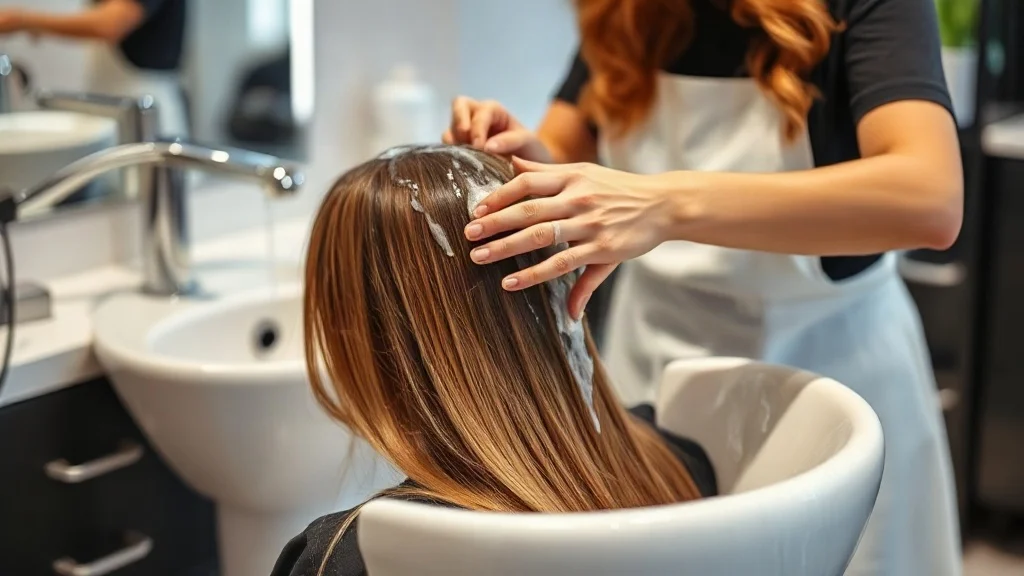
Using a gentle shampoo for permed straight hair is only half the battle. The mechanical way you wash your hair can either preserve your treatment or cause unnecessary breakage. Follow this trichologist-approved routine to minimize stress on the hair fiber.
- Pre-Wash Detangling: Never enter the shower with tangled hair. Use a wide-tooth comb or your fingers to gently remove knots while the hair is dry. This prevents the "stretching" that occurs when wet, fragile hair is combed.
- Temperature Control: Use lukewarm water. Hot water opens the cuticle further, allowing moisture to escape and increasing the risk of frizz.
- Targeted Application: Apply your sulfate-free shampoo primarily to the scalp. Massage with the pads of your fingertips—never your nails. Avoid scrubbing the lengths of your hair; instead, let the lather rinse through the ends. This prevents mechanical abrasion on the most fragile parts of the strand.
- The Rinse Phase: Ensure all cleanser is removed. Residue on chemically treated hair can lead to a dull appearance and weigh down the volume.
- Conditioning and Combing: Apply a rich, pH-balanced conditioner from the mid-shaft to the ends. Only now should you use a wide-tooth comb to detangle, as the conditioner provides the "slip" necessary to prevent breakage.
- Drying Technique: Pat your hair dry with a microfiber towel or a soft cotton T-shirt. Rubbing the hair with a standard terry-cloth towel creates friction that can raise the cuticle and cause frizz.
Addressing Porosity and pH Balance
One of the most overlooked aspects of sulfate free shampoo for straightened hair is the pH level. Human hair and scalp typically have a pH of around 4.5 to 5.5. Chemical relaxers are highly alkaline (high pH), which is what allows them to break the bonds of the hair. This alkaline shift leaves the hair in a vulnerable state.
A high-quality sulfate-free shampoo for treated hair is specifically pH-balanced to be slightly acidic. This helps to "close" the cuticle back down after the cleansing process. When the cuticle is closed, the hair reflects more light (creating shine) and traps moisture inside the cortex, which is essential to protect relaxed hair strength and prevent the brittle feeling often associated with chemical treatments.
Common Myths About Sulfate-Free Shampoos
Despite their benefits, many consumers hesitate to switch to sulfate-free options due to a few common misconceptions.
"Sulfate-free shampoos don't clean the scalp well enough."
This is a common misunderstanding. While sulfate-free shampoos don't produce the same mountain of bubbles, bubbles (foam) do not equal cleaning power. Modern surfactants like Sodium Cocoyl Isethionate are highly effective at removing sebum, sweat, and product buildup without destroying the skin's natural barrier.
"I need a clarifying shampoo once a week to remove buildup."
While clarifying is occasionally necessary, using a high-sulfate clarifying shampoo weekly can undo the benefits of your straightening treatment. Instead, look for a "gentle clarifying" sulfate-free shampoo that uses chelating agents to remove minerals and buildup without the aggressive stripping of SLS.
"Any sulfate-free shampoo is safe for relaxed hair."
Not necessarily. Some sulfate-free shampoos contain high concentrations of drying alcohols or fragrances that can irritate a sensitized scalp. Always ensure your shampoo is formulated specifically for treated or dry hair, containing the emollients and lipids discussed above.
Final Verdict: The Investment in Preservation
Chemical straightening is a transformative process that offers incredible convenience and aesthetic appeal. However, the cost of this transformation is a loss of the hair's natural resilience. To offset this, your home care routine must shift from "cleaning" to "preserving."
By choosing a sulfate free shampoo for straightened hair, you are actively reducing the friction, porosity, and dryness that lead to breakage. When you combine a mild, pH-balanced cleanser with a lipid-rich conditioning routine, you extend the life of your salon treatment and ensure that your hair remains strong, shiny, and manageable.
Featured Top-Rated Sulfate-Free Recommendations
Based on rigorous ingredient safety evaluations, trichologist testing, and verified buyer reviews, here are our top recommended choices for this hair category:

Keranique Sulfate-Free Shampoo: Ultimate Keratin Revival
Salon-grade gentle cleansing formula designed to maintain optimal moisture balance, protect hair cuticles, and deliver touchable softness without harsh sulfates or parabens.

Keratin Complex Blondeshell Debrass Shampoo Review
Salon-grade gentle cleansing formula designed to maintain optimal moisture balance, protect hair cuticles, and deliver touchable softness without harsh sulfates or parabens.
Frequently Asked Questions
Is sulfate-free shampoo really better for relaxed hair?
Yes. Sulfate-free shampoos are significantly better for relaxed hair because they avoid the use of harsh detergents like Sodium Lauryl Sulfate. Relaxed hair has a more porous cuticle and is more prone to dryness. Sulfates strip away the essential moisture and protective lipids that keep the hair flexible, leading to increased breakage and a dull appearance. Sulfate-free formulas cleanse the scalp while maintaining the hair's integrity.
Can I use sulfate-free shampoo immediately after a straightening treatment?
Generally, it is recommended to wait approximately 72 hours after a rebonding or relaxing service before the first shampoo. This allows the chemical bonds to fully stabilize and the cuticle to settle. Once you do wash, using a sulfate-free, pH-balanced shampoo is crucial to ensure you don't strip the treatment's smoothing agents prematurely.
How do I know if my shampoo is actually "safe" for chemically treated hair?
Look beyond the "sulfate-free" label. A truly safe shampoo for treated hair should be pH-balanced and contain a combination of mild surfactants (like glucosides), emollients (like argan oil or ceramides), and humectants (like panthenol). Avoid products that list "Alcohol Denat" high on the ingredient list, as this can be overly drying for already fragile, straightened strands.
Will a sulfate-free shampoo still remove product buildup from my hair?
Yes, but it may require a slightly different technique. Because they are gentler, you may need to massage the scalp more thoroughly or wash twice if you use heavy silicones or waxes. For significant buildup, use a dedicated sulfate-free clarifying shampoo once every two weeks rather than a harsh sulfate-based one, which would be too aggressive for relaxed hair.
Ready to Transform Your Haircare Routine?
Discover our complete collection of top-rated, salon-tested sulfate-free shampoos and give your hair the gentle, restorative care it deserves today.