
How to Make Your $300 Keratin Treatment Last 6+ Months at Home
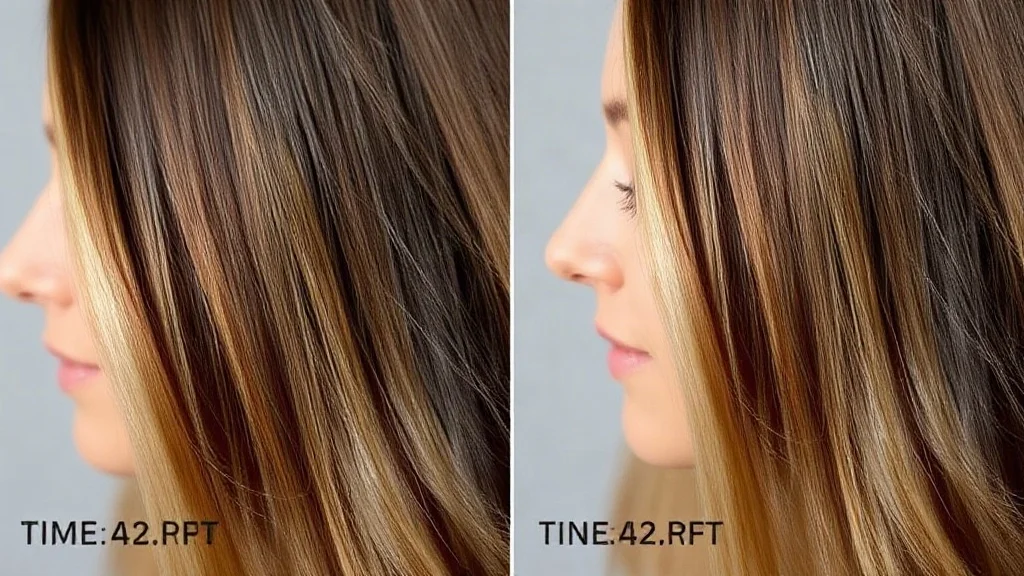
You just stepped out of the salon with that unmistakable, glass-like shine and a level of smoothness that feels almost otherworldly. But as any seasoned keratin enthusiast knows, the moment you leave the chair, a countdown begins. Whether you spent $200 or $500 on your smoothing service, the reality is that your hair is now a carefully engineered structure of protein cross-links that can be stripped away by the wrong shampoo or a few too many hot showers.
Quick Verdict: Switching to a certified sulfate-free shampoo is the single most effective way to preserve hair hydration, protect artificial hair color, and extend salon keratin treatments. By eliminating aggressive anionic surfactants like SLS and SLES, gentle glucoside and isethionate cleansers remove daily sebum and buildup without stripping your scalp's vital protective lipid barrier.
As a trichologist and cosmetic chemist, I have spent years analyzing the molecular interaction between keratin polymers and surfactants. The "fade" you experience isn't just a feeling; it is a physical process of cuticle disruption and protein leaching. The good news? The longevity of your treatment is largely within your control. By shifting your chemistry and your habits, you can effectively double the life of your service.
Here is the definitive professional guide on how to make keratin treatment last longer, moving beyond basic advice into the actual science of hair preservation.
The Critical Window: The First 72 Hours
The first three days following a keratin treatment are the "setting phase." While modern "express" treatments allow for immediate washing, the gold standard for longevity still involves a stabilization period. During this time, the keratin proteins are settling into the hair shaft and sealing the cuticle.
To ensure the treatment bonds permanently, follow these non-negotiable rules for the first 72 hours:
- Zero Moisture Exposure: Avoid washing your hair, but also be wary of steam from hot showers, heavy gym sweat, or rain. Moisture can cause the hair shaft to swell prematurely, potentially creating "kinks" or waves in the finished result.
- No Mechanical Creasing: This is where most people fail. Do not use hair ties, clips, headbands, or tuck your hair behind your ears. Any pressure applied to the hair during the setting phase can leave a permanent indentation in the keratin seal.
- Keep it Straight: If you notice a bend or a crease, lightly blow-dry the area with a round brush on low heat to smooth it back out immediately.
The Chemistry of Cleansing: Why Sulfate-Free is Non-Negotiable
To understand how to extend keratin treatment life, you must understand the chemistry of the shampoo bottle. Most traditional shampoos use Sodium Lauryl Sulfate (SLS) or Sodium Laureth Sulfate (SLES). These are powerful anionic surfactants designed to strip away oils and debris. However, they are too efficient; they don't just remove dirt, they strip the hydrolyzed keratin proteins that were just bonded to your hair.
When you use a sulfate-based cleanser, you are essentially "scrubbing" the treatment off your hair one wash at a time. To maintain that salon-sleek finish, you must transition to a sulfate-free system that utilizes milder surfactants, such as Cocamidopropyl Betaine or Decyl Glucoside.
The Role of Sodium Chloride (Salt)
Many "sulfate-free" shampoos still contain Sodium Chloride (table salt) as a thickening agent. For keratin-treated hair, salt is a hidden enemy. Salt is osmotic; it draws moisture out of the hair and can physically abrade the keratin coating, leading to a rougher cuticle and faster treatment degradation. For maximum longevity, look for "Sodium Chloride-Free" on the label.
Comparison: Sulfate vs. Keratin-Safe Chemistry
| Feature | Traditional Sulfate Shampoos | Keratin-Safe (Sulfate/Salt-Free) | Impact on Treatment |
|---|---|---|---|
| Primary Surfactant | SLS / SLES (Strong Anionics) | Glucosides / Isethionates (Mild) | Sulfates strip protein; mild surfactants preserve it. |
| Thickening Agent | Sodium Chloride (Salt) | Natural gums or polymers | Salt creates porosity and wears down the seal. |
| Cuticle Effect | Lifts the cuticle for deep cleaning | Keeps cuticle closed and flat | Lifting the cuticle allows keratin to escape. |
| Stripping Power | High (Removes all lipids) | Low (Preserves natural oils) | Lipid preservation helps maintain the "shine" effect. |
Optimizing Your Wash Frequency
One of the fastest ways to shorten your results is over-washing. Every time your hair is saturated with water, the shaft swells (hygral fatigue), and every time you apply surfactant, you risk stripping the protein. To keep hair straight longer, you must reduce your wash frequency keratin hair routines.
The Ideal Schedule: Aim for 2 to 3 washes per week. If you are active or have an oily scalp, do not reach for the shampoo every day. Instead, incorporate these strategies:
- Strategic Dry Shampooing: Use a high-quality, residue-free dry shampoo on day two and three to absorb scalp oils without disturbing the hair fiber.
- Cool Water Rinses: Always wash with lukewarm water. Hot water opens the cuticle, making the keratin more susceptible to washing away. Finish your shower with a cool rinse to "lock" the cuticle flat.
- Zonal Washing: Focus your shampoo exclusively on the scalp. As you rinse, the suds will naturally cleanse the mid-lengths and ends without the need for aggressive scrubbing that could strip the treatment.
A Professional Keratin Maintenance Routine
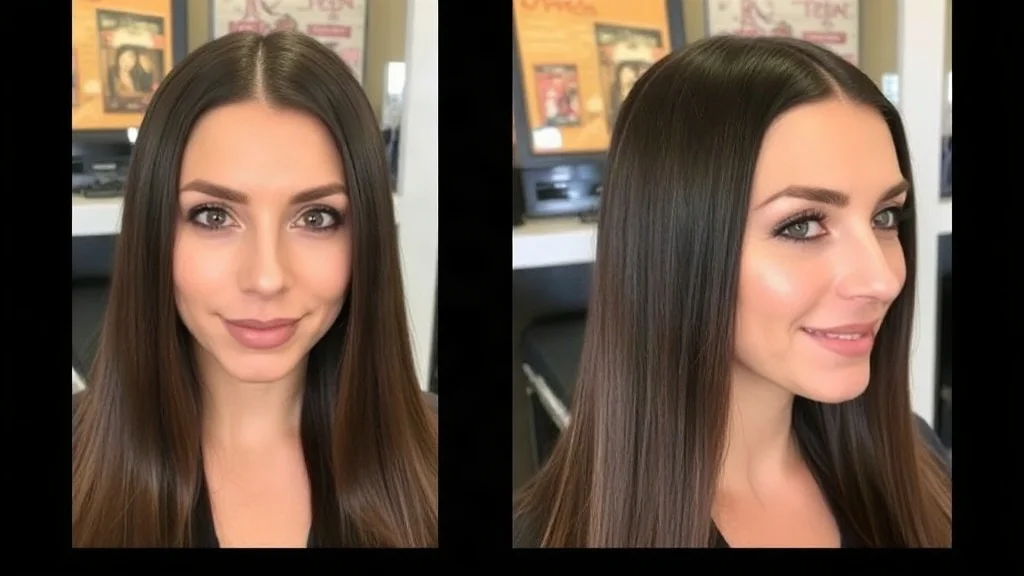
Maintaining a treatment requires a shift from "cleaning" to "preserving." Your keratin maintenance routine should focus on adding slip, reducing friction, and protecting the protein bond.
The Weekly Protocol
- The Cleanse: Use a sulfate-free, salt-free shampoo. Massage the scalp gently to remove sebum without over-stripping the lengths.
- The Condition: Apply a keratin-infused conditioner from the mid-shaft down. Leave it on for at least 3 minutes. This replenishes any surface protein lost during the wash.
- The Deep Treatment: Once a week, replace your conditioner with a deep-conditioning mask rich in ceramides or hydrolyzed proteins. This fills in any gaps in the cuticle, preventing moisture from penetrating and causing frizz.
- The Seal: After towel-drying (by patting, not rubbing), apply a lightweight anti-frizz serum or a silicone-based oil. This creates a hydrophobic barrier that protects the treatment from humidity.
Environmental Threats: Humidity, Chlorine, and Friction
Even with the perfect shampoo, external factors can erode your treatment. As a chemist, I look at these as "mechanical and chemical stressors."
The Humidity Battle
Humidity is the enemy of straight hair because water molecules in the air penetrate the hair shaft, causing it to swell and return to its natural curl pattern. To combat this, use film-forming polymers (found in high-end serums). These act as a raincoat for your hair, blocking atmospheric moisture from entering the fiber.
Chlorine and Salt Water
Chlorine is an oxidizer that can break down the chemical bonds of a keratin treatment. Salt water is dehydrating and abrasive. If you must swim:
- Pre-Saturate: Wet your hair with fresh water and apply a leave-in conditioner or oil before entering the pool. This fills the hair's porosity so it absorbs less chlorinated water.
- Immediate Rinse: The moment you exit the water, rinse your hair thoroughly with fresh water to remove chemical residues.
Sleep and Friction
Cotton pillowcases are surprisingly abrasive. As you toss and turn, the rough fibers of cotton create friction that "ruffles" the cuticle and wears down the keratin coating over time. Switching to a silk or satin pillowcase allows the hair to glide effortlessly, significantly reducing mechanical wear and morning frizz.
Understanding Hair Porosity and Longevity
You may notice that some people's treatments last six months, while others see results fade in eight weeks. This is often due to hair porosity.
High Porosity Hair: This hair has a naturally "open" cuticle (often due to previous bleaching or heat damage). High-porosity hair absorbs water quickly and loses it just as fast. Consequently, it also loses the keratin treatment more rapidly. If you have high-porosity hair, you must be more diligent with leave-in sealants and deep masks to manually "close" the cuticle.
Low Porosity Hair: This hair has a tight, compact cuticle. It is more resistant to the treatment initially, but once the keratin is bonded, it tends to hold onto it much longer because the "exit" is more restricted.
FAQ: Everything You Need to Know About Keratin Aftercare
How long should I wait to wash my hair after a keratin treatment?
While some modern formulas allow for immediate washing, the safest bet for maximum longevity is 72 hours. This allows the protein to fully bond and stabilize. If your stylist gave you a specific timeframe, follow it strictly, as different formulas have different curing times.
Do I need sulfate-free shampoo forever?
If you wish to maintain the results of your treatment, yes. While you can use a sulfate shampoo once the treatment has completely worn off, using one while the treatment is active will accelerate the stripping process. Think of sulfate-free shampoo as "insurance" for your investment.
Can I use dry shampoo and hair oils on keratin-treated hair?
Absolutely. In fact, they are encouraged. Dry shampoo reduces the need for frequent water exposure, and oils provide a protective barrier against humidity. Just ensure your oils are lightweight and your dry shampoo doesn't contain harsh alcohols that could dry out the fiber.
What ingredients should I absolutely avoid in my hair products?
The primary "red flags" are Sodium Lauryl Sulfate (SLS), Sodium Laureth Sulfate (SLES), and Sodium Chloride (salt). Additionally, avoid high concentrations of drying alcohols (like Isopropyl Alcohol) in styling products, as these can make the hair brittle and more prone to cuticle lifting.
The Bottom Line
A keratin treatment is an investment in your time and your budget. To make that investment last, you have to treat your hair as a delicate chemical structure rather than just a beauty accessory. By minimizing wash frequency, eliminating harsh surfactants and salts, and protecting your hair from environmental friction, you can easily stretch a three-month result into six months or more.
Consistency is key. Transition to a professional sulfate-free system, invest in a silk pillowcase, and be mindful of your water temperature. Your hair will stay smoother, shinier, and more manageable long after you've left the salon chair.
Featured Top-Rated Sulfate-Free Recommendations
Based on rigorous ingredient safety evaluations, trichologist testing, and verified buyer reviews, here are our top recommended choices for this hair category:

Keranique Sulfate-Free Shampoo: Ultimate Keratin Revival
Salon-grade gentle cleansing formula designed to maintain optimal moisture balance, protect hair cuticles, and deliver touchable softness without harsh sulfates or parabens.

Keratin Complex Blondeshell Debrass Shampoo Review
Salon-grade gentle cleansing formula designed to maintain optimal moisture balance, protect hair cuticles, and deliver touchable softness without harsh sulfates or parabens.
Frequently Asked Questions
Is sulfate-free shampoo suitable for daily washing?
Yes. Because sulfate-free formulas utilize gentle, non-stripping surfactants, they can be used frequently without dehydrating the hair shaft or irritating the scalp barrier.
Ready to Transform Your Haircare Routine?
Discover our complete collection of top-rated, salon-tested sulfate-free shampoos and give your hair the gentle, restorative care it deserves today.