
The Double Cleansing Method: How to Remove Heavy Buildup with Sulfate-Free Cleansers
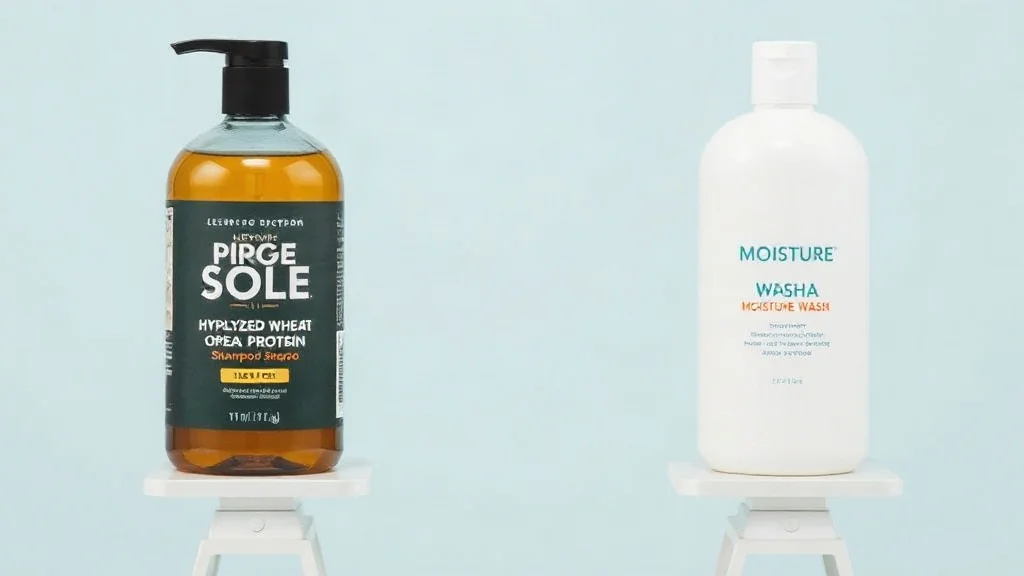
For many, the transition to sulfate-free haircare begins with a sense of liberation—the promise of color preservation, scalp health, and moisture retention. However, that liberation often ends in frustration during the first few washes. You notice a lack of lather. Your hair feels "waxy" or greasy. You suspect that the shampoo simply isn't working, or worse, that it is leaving a residue behind.
Quick Verdict: Switching to a certified sulfate-free shampoo is the single most effective way to preserve hair hydration, protect artificial hair color, and extend salon keratin treatments. By eliminating aggressive anionic surfactants like SLS and SLES, gentle glucoside and isethionate cleansers remove daily sebum and buildup without stripping your scalp's vital protective lipid barrier.
As a trichologist and cosmetic chemist, I can tell you that the problem is rarely the formula; it is the technique. Sulfate-free surfactants operate differently than the harsh detergents found in traditional shampoos. While sulfates (like Sodium Lauryl Sulfate) are aggressive "strippers" that blast away everything from sebum to styling polymers in one go, sulfate-free cleansers are sophisticated emulsifiers. They require more water, more mechanical action, and—most importantly—a strategic approach to cleansing.
If you are struggling with heavy product buildup or oily roots, the secret isn't a harsher shampoo; it is the double cleansing method. By learning how to wash hair with sulfate free shampoo correctly, you can achieve a scalp that feels surgically clean without compromising the integrity of your hair fiber.
The Chemistry of the Clean: Why Sulfate-Free is Different
To understand why you need to wash hair properly twice, we first have to look at the molecular level. Sulfates are high-foam, high-irritation surfactants. They have a very low "critical micelle concentration," meaning they create massive amounts of foam quickly and bond aggressively to oils. This is why they feel "powerful," but they often leave the scalp stripped and the cuticle open.
Sulfate-free formulas utilize milder anionic, amphoteric, or nonionic surfactants. These ingredients—such as Decyl Glucoside, Sodium Cocoyl Isethionate, or Cocamidopropyl Betaine—are designed to lift debris gently. However, they are more sensitive to "interference." If your hair is coated in heavy silicones, dry shampoo, or natural sebum, the surfactants spend the entire first wash just breaking the surface tension of those oils. They are so occupied fighting the buildup that they cannot create a rich lather or penetrate deep into the follicle.
This is where the "low-lather" misconception happens. A lack of foam does not mean a lack of cleaning; it means the surfactants are saturated with the debris they are removing. This is precisely why the second wash is where the real cleansing occurs.
The Definitive Step-by-Step Guide: How to Wash Hair with Sulfate Free Shampoo
Achieving a professional-grade clean at home requires a shift in your shower habits. Follow this protocol to ensure maximum efficacy and scalp health.
Step 1: The Saturation Phase
Sulfate-free cleansers require significantly more water to activate than traditional shampoos. Before applying any product, spend at least two full minutes rinsing your hair. The hair must be completely saturated from root to tip. If the hair is only damp, the shampoo will struggle to spread, leading to "patchy" cleansing where some areas remain oily while others are over-processed.
Step 2: Pre-Emulsification
Never apply sulfate-free shampoo directly from the bottle onto your scalp. This can lead to concentrated "hot spots" of product that are difficult to rinse. Instead, dispense the required amount into your palms, add a few drops of water, and rub your hands together for 5 to 10 seconds. This creates a preliminary emulsion, making the product easier to distribute evenly across the scalp.
Step 3: The First Wash (The Breakdown)
Apply the emulsified shampoo directly to the scalp. Use your fingertips—never your nails—to massage the product in circular motions. Focus entirely on the scalp; do not scrub the lengths of your hair. The first wash is designed to break the surface tension of oils and remove the bulk of styling products. Do not be alarmed if you see very little lather; this is the formula working to dismantle the buildup.
Step 4: The Thorough Rinse
Rinse completely. Ensure no slippery residue remains. This clears the "pathway" for the second wash to reach the skin of the scalp.
Step 5: The Second Wash (The Deep Clean)
Repeat the process. You will notice a dramatic difference during this phase: the shampoo will lather significantly more. Because the first wash removed the surface debris, the surfactants are now free to cleanse the pores and remove deep-seated impurities. This is the phase where true sulfate free scalp clarifying happens.
Step 6: Targeted Conditioning
Apply conditioner only from the mid-shaft to the ends. Applying conditioner to the roots defeats the purpose of the double cleanse and can lead to premature oiliness.
Understanding Buildup: Removing Silicones Without Sulfates
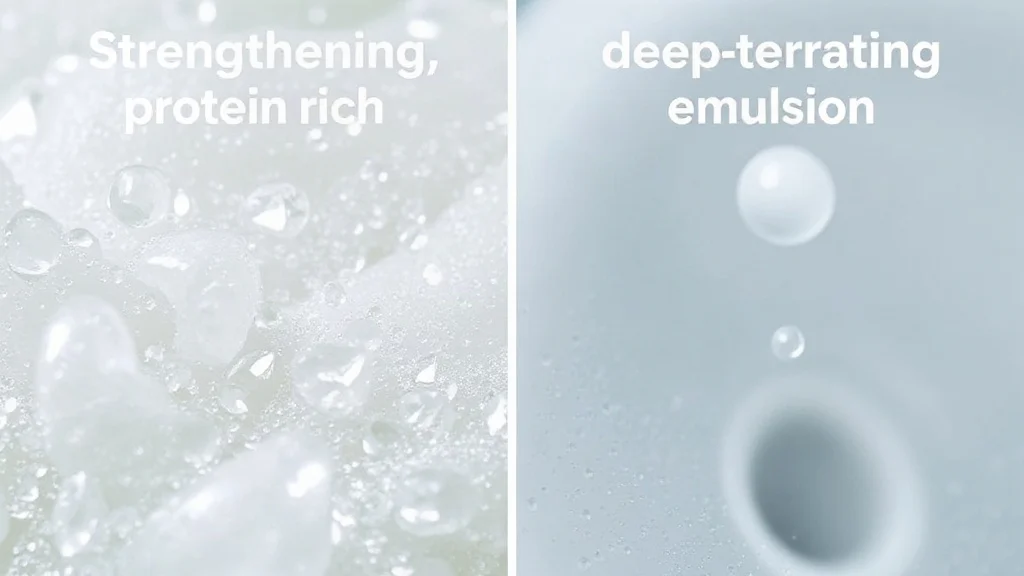
One of the most common questions in my practice is how to remove silicone buildup sulfate free. Many traditional conditioners and serums contain dimethicones—non-water-soluble polymers that create a beautiful shine but act like a plastic wrap around the hair shaft.
Because these polymers are not water-soluble, they resist mild surfactants. If you are transitioning from a silicone-heavy routine, your hair may feel "heavy" or "coated" for several washes. To accelerate this process, focus on these three factors:
- Mechanical Action: Spend a full 2 to 3 minutes massaging the scalp during each wash. This physical friction helps dislodge the silicone film.
- Warm Water: Use warm (not hot) water to help soften the oils and polymers, making them easier for the surfactants to lift.
- Double Shampooing Hair: As detailed above, the first wash disrupts the silicone layer, and the second wash lifts it away.
Ingredient Chemistry: Sulfate-Free vs. Sulfate-Based
To help you read your labels, I have outlined the primary differences in formulation goals and the ingredients used to achieve them.
| Feature | Sulfate-Based (Traditional) | Sulfate-Free (Advanced) | Cosmetic Purpose |
|---|---|---|---|
| Primary Surfactant | SLS / SLES | Glucosides / Isethionates | Lifts oils and debris |
| Lather Profile | High, instant foam | Low to moderate, creamy | User experience/spreadability |
| Cuticle Impact | Can lift/rough the cuticle | Maintains cuticle integrity | Moisture retention/shine |
| Buildup Removal | Aggressive/Immediate | Cumulative/Gentle | Scalp health vs. speed |
| Key Additives | Strong fragrances/preservatives | Chelators, humectants, lipids | Hard water defense & slip |
Customizing Your Wash Based on Hair Porosity
Not every scalp requires the same approach. Your hair's porosity—the ability of the cuticle to absorb and retain moisture—dictates how you should implement the double cleanse.
Low Porosity Hair
Low porosity hair has a tightly closed cuticle, making it prone to product buildup on the surface. If you have low porosity hair, you may find that sulfate-free shampoos "sit" on top of the hair. The Fix: Use slightly warmer water to open the cuticle and spend extra time during the pre-emulsification phase to ensure the product is fully activated.
Normal Porosity Hair
This hair type typically responds well to the standard double-cleansing method. You will likely find that the second wash produces a rich lather quickly, indicating a clean scalp.
High Porosity Hair
High porosity hair has gaps or holes in the cuticle, making it prone to tangling and dryness. While the scalp still needs a double cleanse, the lengths are fragile. The Fix: Be extremely gentle when rinsing. Let the suds from the scalp run down the lengths of the hair rather than scrubbing the ends, which can cause friction and breakage.
Common Pitfalls and How to Avoid Them
When people switch to sulfate-free systems, they often make a few critical mistakes that lead them to believe the product isn't working.
The "More Product" Trap: When you don't see lather, the instinct is to use more shampoo. This is a mistake. Using too much product can lead to "over-loading," where the shampoo itself becomes a residue that is difficult to rinse. Stick to the recommended amount; the lather will come in the second wash.
Rushing the Rinse: Sulfate-free surfactants are often more viscous. If you don't rinse thoroughly between the first and second wash, the remaining surfactants will interfere with the second application, preventing a proper lather.
Ignoring the Scalp: Many users apply shampoo to the ends of their hair. This is unnecessary and drying. The goal of shampoo is to cleanse the skin (the scalp). The lengths of your hair are cleaned sufficiently by the suds rinsing down during the process.
Featured Top-Rated Sulfate-Free Recommendations
Based on rigorous ingredient safety evaluations, trichologist testing, and verified buyer reviews, here are our top recommended choices for this hair category:

Saphira Healing Repair Shampoo: Revive Chemically Treated Hair
Salon-grade gentle cleansing formula designed to maintain optimal moisture balance, protect hair cuticles, and deliver touchable softness without harsh sulfates or parabens.

L'Oreal EverPure Bond Repair: Transform Damaged Hair Now!
Salon-grade gentle cleansing formula designed to maintain optimal moisture balance, protect hair cuticles, and deliver touchable softness without harsh sulfates or parabens.
Frequently Asked Questions
How do you wash hair with sulfate-free shampoo to get a good lather?
The key to a great lather is saturation and the double-wash method. First, ensure your hair is soaking wet. Second, emulsify the shampoo in your hands with water before applying. Third, recognize that the first wash will likely not lather because it is busy breaking down oils. The second wash, performed on a partially cleaned scalp, will produce the rich foam you are looking for.
Should you shampoo twice with sulfate-free shampoo every time?
Not necessarily. If you wash your hair daily or use very few styling products, a single wash may suffice. However, if you use dry shampoo, heavy conditioners, or have an oily scalp, double shampooing hair is essential. A good rule of thumb is: if the shampoo doesn't lather during the first application, you need a second wash.
How do you remove silicone buildup sulfate free without using a clarifying shampoo?
You can remove buildup by combining the double cleansing method with increased mechanical massage. Spend 3 minutes massaging the scalp to physically break the silicone bonds. Additionally, ensure you are using warm water to help the surfactants emulsify the silicones. Over time, your hair will "reset," and the buildup will vanish without the need for harsh sulfates.
Is sulfate-free shampoo good for oily hair?
Yes, but only if used with the correct technique. Many people with oily hair find sulfate-free shampoo "insufficient" because they only wash once. By double cleansing, you effectively remove excess sebum without triggering the scalp's "rebound effect," where the skin overproduces oil to compensate for being stripped by harsh sulfates. This leads to a healthier, more balanced scalp over time.
Ready to Transform Your Haircare Routine?
Discover our complete collection of top-rated, salon-tested sulfate-free shampoos and give your hair the gentle, restorative care it deserves today.