
Sodium Chloride vs Sulfates: The Hidden Ingredient That Destroys Keratin
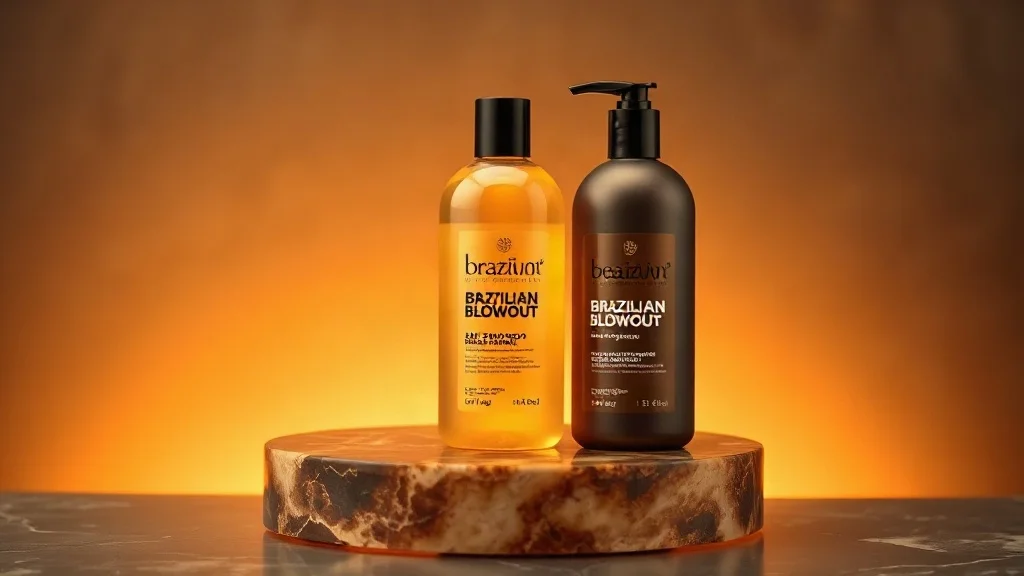
You spent hours in the salon chair and a significant investment of money to achieve that flawless, frizz-free, liquid-silk finish. For the first few washes, the results are breathtaking. But then, something happens. The smoothness begins to fade prematurely, the frizz returns in patches, and the hair feels unexpectedly dry. Most people blame their water or the humidity, but the culprit is often hiding in plain sight on the back of their shampoo bottle.
Quick Verdict: Switching to a certified sulfate-free shampoo is the single most effective way to preserve hair hydration, protect artificial hair color, and extend salon keratin treatments. By eliminating aggressive anionic surfactants like SLS and SLES, gentle glucoside and isethionate cleansers remove daily sebum and buildup without stripping your scalp's vital protective lipid barrier.
While the beauty industry has spent a decade shouting about the dangers of sulfates, there is a more insidious ingredient that is often overlooked: sodium chloride. If you are using a keratin treatment, understanding the difference between sulfates and salts is the difference between a treatment that lasts six months and one that vanishes in six weeks.
The Great Misconception: Is Sulfate-Free Enough?
For years, the gold standard for aftercare has been "sulfate-free." From a cosmetic chemistry perspective, this advice is sound. Sulfates like Sodium Lauryl Sulfate (SLS) and Sodium Laureth Sulfate (SLES) are powerful surfactants. Their job is to bind to oil and dirt and wash them away. However, they are often too efficient; they can strip the lipid layer of the hair shaft and aggressively lift the cuticle, which allows the keratin protein bonds to leach out of the hair fiber more quickly.
However, many consumers make a critical mistake: they assume that any bottle labeled "sulfate-free" is automatically safe for keratin treatments. This is where the chemistry gets tricky. Because sulfate-free surfactants are naturally thinner and more watery than sulfate-based ones, chemists need a way to thicken the formula to give it that luxurious, creamy consistency consumers expect. The cheapest and most effective way to thicken a shampoo is by adding salt.
Enter sodium chloride. In the world of cosmetic chemistry, salt is a viscosity modifier. But in the world of keratin-treated hair, sodium chloride acts as an abrasive agent that can physically and chemically degrade the keratin coating. If you are searching for a sodium chloride free shampoo keratin safe formula, it is because you have realized that "sulfate-free" is only half the battle.
How Sodium Chloride Dissolves Keratin
To understand why sodium chloride dissolves keratin, we have to look at the structure of the hair fiber. A keratin treatment works by cross-linking proteins to the hair shaft and sealing the cuticle down with a protective, smoothing layer. This layer is what eliminates frizz and creates shine.
Sodium chloride is an ionic compound. When it interacts with the treated hair fiber, it can disrupt the ionic bonds of the keratin treatment. Essentially, the salt acts as an exfoliant on a microscopic level, breaking down the protein film and lifting the cuticle. Once the cuticle is lifted, the internal moisture escapes, and the smoothing agents are washed away. This results in a "stripping" effect that is different from the drying effect of sulfates; while sulfates strip oils, salt actively erodes the treatment itself.
This is why a salt free shampoo keratin routine is non-negotiable for those who want to maximize their investment. When you use a formula containing both sulfates and sodium chloride, you are essentially attacking the keratin treatment from two different chemical angles: the sulfates strip the protective lipids, and the salt dissolves the protein bonds.
The Chemistry of Cleansing: What Actually Matters
When performing a keratin safe ingredient check, you should look beyond the marketing claims on the front of the bottle and analyze the surfactant system and the additives. A truly high-performance aftercare shampoo balances cleansing power with residue-free conditioning.
1. The Surfactant System
Instead of harsh sulfates, look for mild anionic and amphoteric surfactants. These cleanse the scalp without aggressively opening the cuticle. Common safe alternatives include:
- Sodium Cocoyl Isethionate: A gentle, coconut-derived cleanser often called "baby foam."
- Cocamidopropyl Betaine: An amphoteric surfactant that reduces irritation and adds mild thickness.
- Sodium Lauroyl Sarcosinate: A mild cleanser that provides a great lather without the stripping power of SLS.
- Glucosides: Non-ionic cleansers (like Decyl Gloside) that are exceptionally gentle on chemically treated hair.
2. The Thickening Agent
Since the formula cannot use sodium chloride to thicken, premium brands use polymers or gums. Look for ingredients like Xanthan Gum, Guar Hydroxypropyltrimonium Chloride, or cellulose-based thickeners. These provide the desired viscosity without reacting with the keratin proteins.
3. Lipid Replenishment
Keratin treatments can leave the hair feeling slightly dry over time. The best formulas incorporate lightweight lipids that smooth the cuticle without weighing the hair down. Argan oil, shea butter derivatives, and lightweight esters help seal the hair shaft and enhance the shine created by the treatment.
Comparison: Sulfates vs. Sodium Chloride
To simplify the science, here is how these two common ingredients impact your hair treatment differently.
| Feature | Sulfates (SLS/SLES) | Sodium Chloride (Salt) |
|---|---|---|
| Primary Role | Cleansing / Foaming Agent | Thickener / Viscosity Modifier |
| Mechanism of Damage | Strips lipids and opens the cuticle | Chemically breaks down protein bonds |
| Effect on Keratin | Accelerates fading by stripping oils | Directly dissolves the keratin layer |
| Hair Feel | Dry, straw-like, or "squeaky" | Rough, frizzy, loses "slip" quickly |
| Safe Alternative | Glucosides, Sarcosinates | Xanthan Gum, Conditioning Polymers |
The Ultimate Keratin-Safe Ingredient Check
When shopping for a sulfate and salt free shampoo, do not rely on the "Safe for Keratin" badge. Many brands use this as a marketing term without adhering to the chemistry. Instead, turn the bottle over and scan the INCI (International Nomenclature of Cosmetic Ingredients) list for these red flags.
Ingredients to Avoid
- Sodium Lauryl Sulfate (SLS): Extremely stripping.
- Sodium Laureth Sulfate (SLES): Less harsh than SLS, but still problematic.
- Ammonium Lauryl Sulfate: A strong sulfate that lifts the cuticle.
- Sodium C14-16 Olefin Sulfonate: Though technically not a sulfate, it behaves like one and can be too aggressive for treated hair.
- Sodium Chloride: The salt thickener that erodes keratin.
Ingredients to Look For
- Hydrolyzed Keratin: To help replenish lost proteins.
- Panthenol (Pro-Vitamin B5): A humectant that maintains flexibility.
- Glycerin: Draws moisture into the hair shaft.
- Argania Spinosa Kernel Oil: Provides a protective lipid barrier.
- Behentrimonium Chloride: A conditioning agent that reduces friction during combing.
The Professional Wash Routine for Treatment Longevity
Using the right sodium chloride free shampoo keratin formula is the most important step, but how you wash your hair also determines how long the treatment lasts. High friction and high heat are the enemies of keratin.
- Temperature Control: Use lukewarm water. Hot water opens the hair cuticle, making it easier for the keratin treatment to escape.
- Emulsification: Do not apply shampoo directly to your hair. Rub it between your palms with a bit of water to emulsify it first. This ensures an even distribution and prevents concentrated surfactant buildup in one area.
- Scalp Focus: Apply shampoo primarily to the roots and scalp. As you rinse, the suds will naturally cleanse the lengths of your hair. Scrubbing the ends of keratin-treated hair is unnecessary and causes mechanical abrasion.
- The Rinse: Rinse thoroughly. Any residue left behind can attract pollutants and make the hair feel tacky.
- Conditioning Strategy: Apply a sulfate-free, salt-free conditioner from the mid-shaft down. Avoid the roots to prevent weighing down the hair.
- Microfiber Drying: Never rub your hair with a terry-cloth towel. Blot and squeeze the water out using a microfiber towel or a cotton t-shirt to prevent cuticle lift.
Maximizing Your Investment: Beyond the Shampoo
While the shampoo is the primary point of contact for damaging ingredients, other products in your routine can either protect or destroy your keratin treatment.
Leave-in Conditioners: These act as a secondary shield. A silicone-free or lightweight silicone leave-in can protect the hair from environmental pollutants and humidity, which prevents the hair from swelling and shrinking (a process that stresses the keratin bond).
Heat Styling: Even with a keratin treatment, extreme heat can damage the protein layer. Always use a heat protectant and keep your tools at a medium setting. The treatment makes your hair more heat-resistant, but it does not make it heat-proof.
Frequency of Washing: The fewer times you wet your hair, the longer the treatment lasts. Consider using a high-quality, salt-free dry shampoo between washes to manage oil without stripping the protein layer.
Featured Top-Rated Sulfate-Free Recommendations
Based on rigorous ingredient safety evaluations, trichologist testing, and verified buyer reviews, here are our top recommended choices for this hair category:

Keranique Sulfate-Free Shampoo: Ultimate Keratin Revival
Salon-grade gentle cleansing formula designed to maintain optimal moisture balance, protect hair cuticles, and deliver touchable softness without harsh sulfates or parabens.

Keratin Complex Blondeshell Debrass Shampoo Review
Salon-grade gentle cleansing formula designed to maintain optimal moisture balance, protect hair cuticles, and deliver touchable softness without harsh sulfates or parabens.
Frequently Asked Questions
Is sodium chloride really that bad, or is it just marketing?
It is a matter of chemistry, not just marketing. Sodium chloride is an ionic salt. Because keratin treatments rely on specific chemical bonds to smooth the hair, the introduction of salt ions can disrupt those bonds. While a single wash with a salt-containing shampoo won't ruin your hair instantly, the cumulative effect is an accelerated breakdown of the treatment, leading to a shorter lifespan for your smooth results.
Can I use a sulfate-free shampoo that contains sodium chloride?
Technically, you can, but you are undermining the purpose of the sulfate-free formula. If you have spent the money on a keratin treatment, using a shampoo with sodium chloride is counterproductive. You are avoiding the "stripping" of sulfates only to introduce the "dissolving" effect of salt. For maximum longevity, you must use a formula that is both sulfate-free and sodium chloride-free.
Will a salt-free shampoo make my hair feel less clean?
Not if it is formulated correctly. High-quality sulfate and salt free shampoo options use advanced mild surfactants (like isethionates or glucosides) that effectively remove sebum and styling products without the aggression of SLS. You may notice a different lather—it is often creamier and less "bubbly"—but your hair will be just as clean and significantly healthier.
Is this the same for Brazilian Blowouts and other smoothing treatments?
Yes. Most professional smoothing treatments, whether they are traditional keratin, Brazilian Blowouts, or cystine treatments, work by modifying the hair's structure and sealing the cuticle. All of these treatments are susceptible to the stripping effects of sulfates and the erosive effects of sodium chloride. Any "smoothing" or "anti-frizz" professional treatment requires a salt-free and sulfate-free aftercare regimen.
How can I tell if a shampoo is truly a sodium chloride free shampoo keratin formula?
The only reliable way is to read the full ingredient list. Look for sodium chloride near the middle or end of the INCI list. Also watch for disguised salt sources or concentrated salt water solutions listed as ingredients. A genuinely safe formula will be labeled sulfate-free and sodium chloride-free, and its ingredient panel will contain mild surfactants plus non-salt thickeners like xanthan gum or cellulose.
How often should I use a sodium chloride free shampoo keratin safe product?
You should use it every time you wash your keratin-treated hair. Consistency matters because the keratin layer is continuously exposed to water, friction, and environmental stress. Replacing standard shampoo with a sodium chloride free formula protects the treatment every wash cycle and helps maintain the frizz-free, glossy finish you paid for.
Ready to Transform Your Haircare Routine?
Discover our complete collection of top-rated, salon-tested sulfate-free shampoos and give your hair the gentle, restorative care it deserves today.