
Can You Use Sulfate-Free Shampoo After a Brazilian Blowout? Exact Rules & Timelines
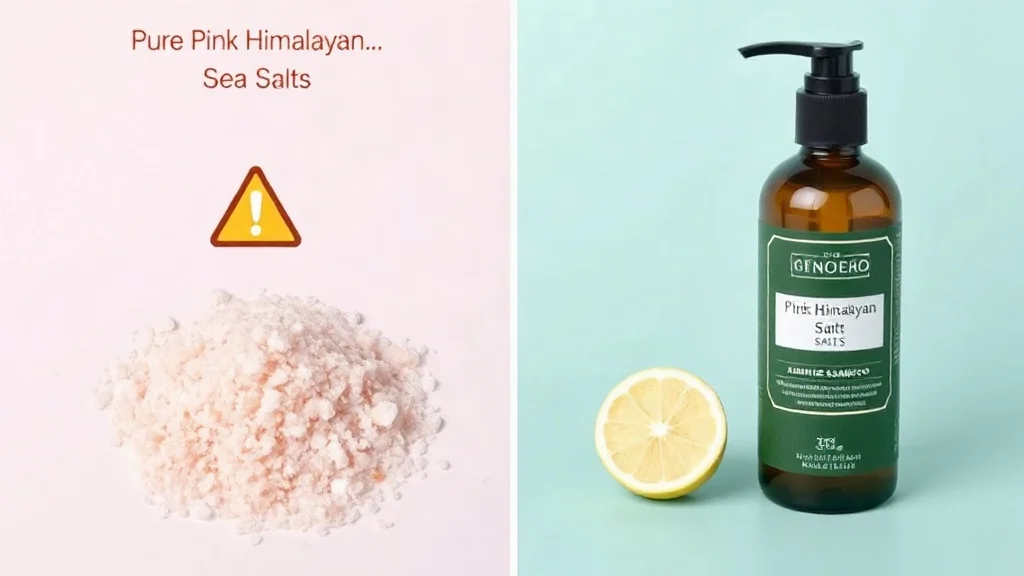
Investing in a Brazilian Blowout is more than just a salon appointment; it is an investment in your daily confidence and time. By smoothing the hair cuticle and neutralizing frizz, these treatments provide a sleek, polished look that can last for months. However, the longevity of this investment is not determined solely by the stylist's skill, but by the chemistry of the products you use at home.
Quick Verdict: Switching to a certified sulfate-free shampoo is the single most effective way to preserve hair hydration, protect artificial hair color, and extend salon keratin treatments. By eliminating aggressive anionic surfactants like SLS and SLES, gentle glucoside and isethionate cleansers remove daily sebum and buildup without stripping your scalp's vital protective lipid barrier.
The most frequent question clients ask after their appointment is: Can I use sulfate-free shampoo after a Brazilian Blowout? The short answer is yes — in fact, it is non-negotiable. Using the wrong cleanser can strip the treatment from your hair in a matter of washes, effectively erasing the results you paid for. But the “sulfate-free” label is only the beginning of the story. To truly preserve the smoothing effect, you must understand the interaction between surfactant chemistry and the keratin-infused bonds of your hair. Selecting the right shampoo after Brazilian Blowout care is the single most important step you can take at home.
How Long to Wait Before Washing Your Hair
Timing is the most critical variable in the immediate aftermath of a smoothing treatment. While modern “express” formulas are becoming more flexible, the traditional gold standard for Brazilian Blowout and keratin-style treatments requires a strategic waiting period.
Most professional guidance recommends waiting at least 24 to 72 hours before the first wash. This window allows the treatment to fully settle and the bonds to stabilize within the hair shaft. If you wash your hair too early, you risk rinsing away a portion of the active ingredients before they have fully adhered to the cuticle, which can lead to uneven results or a significantly shorter treatment lifespan.
Always defer to your specific stylist’s instructions, as the timeline depends on the exact formula used. If you accidentally get your hair wet or experience perspiration during this window, it is often recommended to gently blow-dry the area and use a flat iron on a low setting to “re-seal” the treatment.
The Chemistry of Cleansing: Why Sulfates are the Enemy
To understand why you need a Brazilian Blowout safe shampoo, we have to look at the molecular level. Sulfates, such as Sodium Lauryl Sulfate (SLS) and Sodium Laureth Sulfate (SLES), are powerful anionic surfactants. Their primary job is to lower the surface tension of water, allowing it to mix with oils and dirt so they can be washed away.
The problem is that sulfates are too efficient. They do not distinguish between “dirty” sebum and the protective, smoothing layer provided by a Brazilian Blowout. When you use a sulfate-based shampoo, the aggressive surfactants lift the hair cuticle and strip away the lipids and keratin-based films that keep your hair sleek. This increases friction between hair strands, leading to the return of frizz and a loss of that signature mirror-like shine.
The Hidden Danger: Sodium Chloride
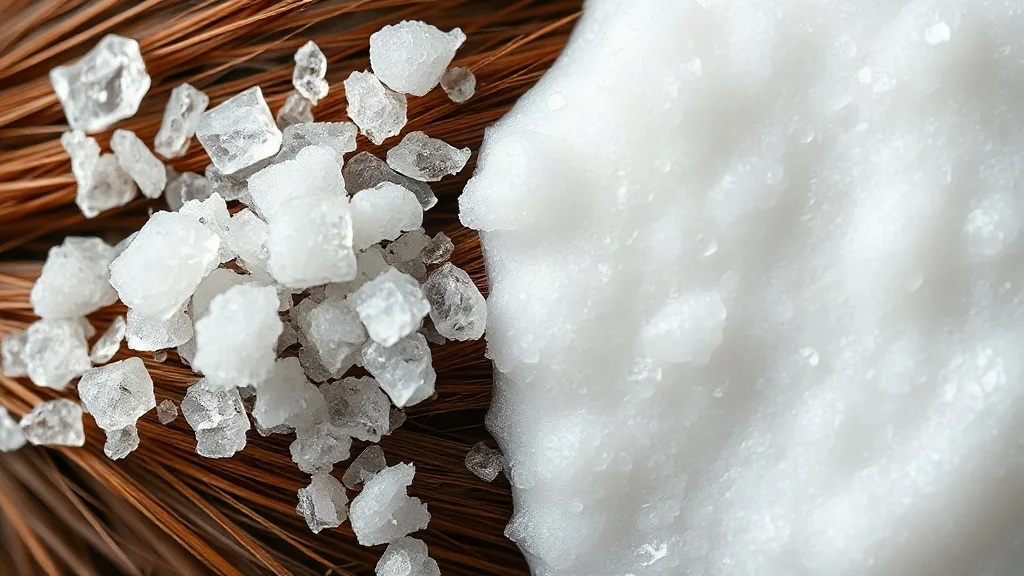
Many consumers make the mistake of buying a “sulfate-free” shampoo that still contains Sodium Chloride (common table salt). In many shampoos, salt is used as a thickening agent to give the product a luxurious, creamy consistency. However, for someone seeking the best Brazilian Blowout aftercare, sodium chloride is a red flag.
Sodium chloride acts as an abrasive and can physically wear down the smoothing treatment over time. It can also draw moisture out of the hair fiber, potentially leaving the ends feeling brittle. For maximum longevity, your shampoo should be both sulfate-free and sodium chloride-free.
The Ideal Ingredient Profile for Smoothing Maintenance
When shopping for a sulfate free smoothing shampoo, you should look beyond what is not in the bottle and focus on what is present. A high-performance aftercare cleanser should balance gentle cleansing with lipid replenishment.
Preferred Surfactants
Instead of harsh sulfates, look for mild, biodegradable surfactants that cleanse without disrupting the cuticle. Common professional-grade alternatives include:
- Cocamidopropyl Betaine: Derived from coconut oil, this provides a gentle lather and reduces irritation.
- Decyl Glucoside: A very mild non-ionic surfactant that is excellent for maintaining the integrity of chemically treated hair.
- Sodium Lauroyl Methyl Isethionate: A high-performance, sulfate-free cleanser that provides a dense foam without the stripping effect of SLS.
Lipids and Conditioning Agents
Because the goal is to keep the hair fiber flat and lubricated, the formula should include emollients that reduce friction during combing:
- Lightweight Silicones: While some avoid silicones, specific dimethicones or amodimethicones help seal the cuticle and protect against humidity.
- Panthenol (Pro-Vitamin B5): Acts as a humectant to keep the hair hydrated without causing the fiber to swell excessively.
- Glycerin: Helps maintain the moisture balance, ensuring the hair remains supple and elastic.
Comparing Cleansing Systems for Treated Hair
The following table illustrates the difference between traditional clarifying shampoos and those designed specifically for aftercare.
| Feature | Standard Clarifying Shampoo | Brazilian Blowout Safe Shampoo |
|---|---|---|
| Primary Surfactant | Sodium Lauryl Sulfate (SLS) | Glucosides / Betaines |
| Cuticle Impact | Opens/Lifts the cuticle | Keeps cuticle sealed/flat |
| Sodium Chloride | Often present for thickness | Absent / Sodium Chloride-Free |
| Treatment Longevity | Accelerates removal | Extends results |
| Primary Goal | Deep oil/residue removal | Gentle cleansing + protection |
Step-by-Step Wash Routine After a Smoothing Treatment
How you wash your hair is just as important as what you use. To maximize the life of your washing hair after smoothing treatment routine, follow these professional steps:
- Temperature Control: Use lukewarm water. Avoid hot water, as high temperatures can open the hair cuticle and strip the treatment more quickly.
- Targeted Application: Apply your sulfate-free shampoo primarily to the scalp and roots. This is where the oil and buildup accumulate.
- Gentle Massage: Use the pads of your fingers to massage the scalp. Avoid aggressive scrubbing or using fingernails, which can cause mechanical damage to the hair fiber.
- Passive Cleansing for Ends: Do not scrub the mid-lengths and ends of your hair. Instead, let the lather rinse through the lengths as you rinse your scalp. This prevents over-stripping the most fragile parts of the hair.
- Condition Strategically: Apply a moisturizing, sulfate-free conditioner only from the mid-shaft down to the ends. Avoid the scalp to prevent the hair from becoming weighed down or oily.
- Microfiber Drying: Blot your hair gently with a microfiber towel or a soft cotton T-shirt. Rubbing with a standard terry cloth towel can create friction and frizz.
- Heat Activation: Many Brazilian Blowout formulas are heat-activated. Blow-drying your hair with a round brush helps “reactivate” the smoothing properties and ensures the sleekest possible finish.
Preservation Tips: Extending Your Results
Beyond choosing the right shampoo, certain lifestyle adjustments can extend the life of your treatment from three months to five or more.
Reduce Wash Frequency
Every time you wet your hair, you risk some level of treatment leaching. Try to limit washing to 2–3 times per week. On off-days, use a high-quality, sulfate-free dry shampoo to manage oil at the roots.
Manage Porosity
High-porosity hair (hair that is damaged or naturally coarse) loses the smoothing treatment faster because the cuticle is more “open.” For these hair types, using a leave-in conditioner or a light hair oil can provide an extra layer of protection, sealing the treatment in and blocking out humidity.
Avoid Chlorine and Salt Water
Chlorine in pools and salt in the ocean are aggressive. They can strip the keratin treatment rapidly. If you must swim, apply a leave-in conditioner or a thin layer of hair oil to create a barrier, and rinse your hair with fresh water immediately after exiting the pool or ocean.
Featured Top-Rated Sulfate-Free Recommendations
Based on rigorous ingredient safety evaluations, trichologist testing, and verified buyer reviews, here are our top recommended choices for this hair category:

Keranique Sulfate-Free Shampoo: Ultimate Keratin Revival
Salon-grade gentle cleansing formula designed to maintain optimal moisture balance, protect hair cuticles, and deliver touchable softness without harsh sulfates or parabens.

Keratin Complex Blondeshell Debrass Shampoo Review
Salon-grade gentle cleansing formula designed to maintain optimal moisture balance, protect hair cuticles, and deliver touchable softness without harsh sulfates or parabens.
Frequently Asked Questions
Can I use a clarifying shampoo after a Brazilian Blowout?
Generally, no. Clarifying shampoos are formulated with high concentrations of sulfates to remove heavy product buildup. This process is too aggressive for a smoothing treatment and will strip the keratin bonds, leading to a premature return of frizz. If you feel you have significant buildup, consult your stylist for a “treatment-safe” detox or a professional chelating treatment that does not rely on harsh sulfates.
What happens if I accidentally use a sulfate shampoo once?
Using a sulfate shampoo once will not completely remove your treatment, but it will strip away some of the surface lipids and may leave your hair feeling slightly rougher. To remedy this, follow up with a deep-conditioning mask designed for chemically treated hair and blow-dry your hair to reactivate the smoothing agents.
Is sodium chloride really that bad for the treatment?
Yes. Sodium chloride (salt) can act as an exfoliant for the hair fiber. While it is not as immediately destructive as SLS, its cumulative effect is the gradual erosion of the smoothing film. For those who want their Brazilian Blowout to last the maximum amount of time, avoiding salt in the ingredient list is highly recommended.
How often should I wash my hair to maintain the smoothness?
For optimal results, we recommend washing your hair 2 to 3 times per week. Over-washing, even with sulfate-free products, can lead to the gradual fading of the treatment. Utilizing a gentle dry shampoo between washes is an excellent way to maintain volume and cleanliness without compromising the integrity of the smoothing treatment.
Ready to Transform Your Haircare Routine?
Discover our complete collection of top-rated, salon-tested sulfate-free shampoos and give your hair the gentle, restorative care it deserves today.