
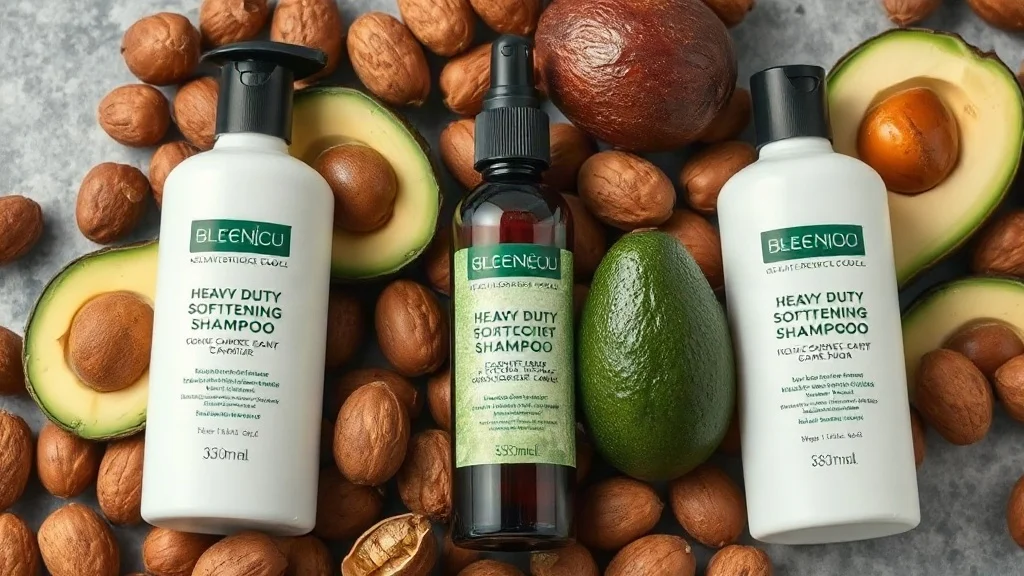
Understanding the Architecture of Coarse Hair
To the touch, coarse hair often feels thick, wiry, and resistant. From a trichological perspective, "coarse" does not necessarily refer to the density of hair on your head (how many hairs per square inch), but rather the diameter of each individual strand. Coarse hair has a larger shaft diameter and a more complex cuticle architecture than fine hair. While this makes the hair structurally strong, it also makes it prone to a specific kind of dryness that can feel impenetrable.
Quick Verdict: Switching to a certified sulfate-free shampoo is the single most effective way to preserve hair hydration, protect artificial hair color, and extend salon keratin treatments. By eliminating aggressive anionic surfactants like SLS and SLES, gentle glucoside and isethionate cleansers remove daily sebum and buildup without stripping your scalp's vital protective lipid barrier.
The primary challenge with coarse hair is the state of the cuticle—the outermost layer of the hair shaft consisting of overlapping scales. In coarse hair, these scales can be more rigid or may lift more easily due to environmental stress, chemical processing, or natural porosity. When the cuticle is lifted, the hair loses its ability to retain moisture, and friction increases between strands. This is why coarse hair often feels rough, looks frizzy, and resists the "slip" that makes hair feel soft and manageable.
For those struggling to tame coarse, frizzy hair, the solution isn't just adding more oil; it is about a strategic cleansing and hydration system. The goal is to remove impurities without stripping the essential lipids that keep the cuticle lying flat.
The Role of Sulfates in Coarse Hair Dehydration
Many traditional shampoos rely on sulfates—specifically Sodium Lauryl Sulfate (SLS) and Sodium Laureth Sulfate (SLES)—as their primary cleansing agents. These are powerful anionic surfactants designed to bind to oil and dirt, allowing them to be rinsed away with water. While effective, they are often too aggressive for coarse hair.
Because coarse hair is naturally more prone to dryness and has a higher tendency toward cuticle roughness, sulfates can be catastrophic. They strip away the natural sebum and the delicate lipid layer that coats the hair shaft. When this protective barrier is removed, the cuticle scales lift further, leading to increased porosity and a "squeaky clean" feeling that is actually a sign of dehydration. This leaves the hair feeling straw-like and makes it nearly impossible to detangle without breakage.
Switching to a sulfate free shampoo for coarse hair is not merely a "clean beauty" trend; it is a functional necessity for maintaining the integrity of thick strands. By using milder surfactants, you can cleanse the scalp and remove product buildup while preserving the moisture levels within the hair fiber.
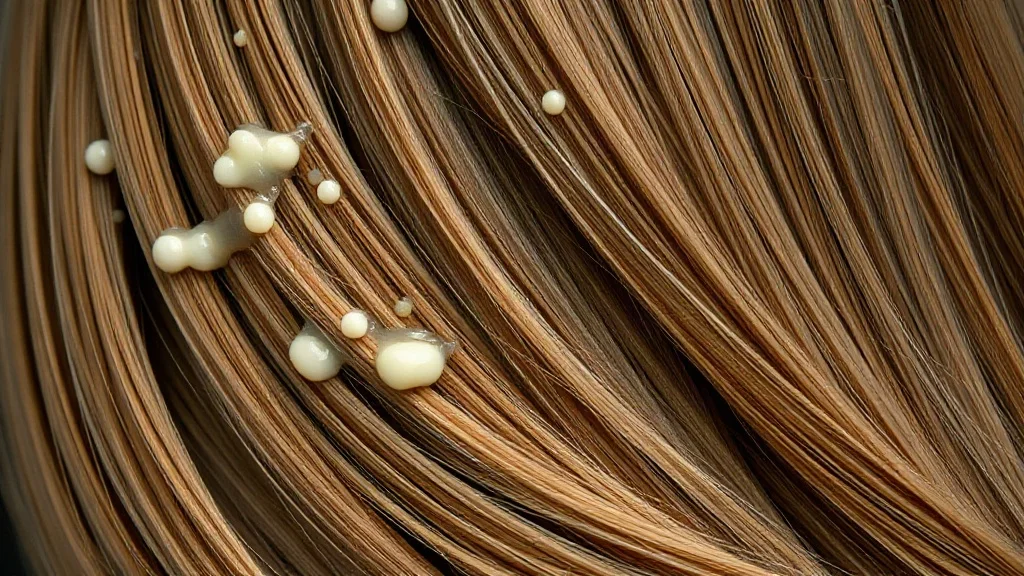
Cosmetic Chemistry: What to Look for in a Hydrating Shampoo for Thick Strands
Not all sulfate-free shampoos are created equal. For thick, dry hair, a formula that is "too gentle" may fail to remove heavy styling products or hard-water minerals, leaving the hair feeling dull. The ideal formula architecture for coarse hair balances effective cleansing with immediate conditioning agents.
1. Advanced Non-Sulfate Surfactants
The best professional-grade formulas replace harsh sulfates with a blend of mild surfactants. These provide the necessary foam and cleansing power without the stripping effect. Look for:
- Sodium Methyl Cocoyl Taurate: A mild, coconut-derived surfactant that provides a creamy lather and maintains hair softness.
- Sodium Lauroyl Sarcosinate: Excellent for providing a smooth feel during the wash process.
- Coco-Glucoside and Coco-Betaine: Amphoteric surfactants that reduce the irritation potential of the primary cleanser and improve the overall skin-feel on the scalp.
- Sodium C14-16 Olefin Sulfonate: Often used in shampoos for thick hair that requires a deeper clean. While stronger than glucoside, it is still preferable to SLS for maintaining the lipid barrier.
2. Lipid-Rich Emollients for Cuticle Smoothing
Because coarse hair feels rough due to friction, the addition of lipids is critical. Emollients fill the gaps between lifted cuticle scales, creating a smoother surface that reflects light (shine) and glides during combing (slip).
- Shea Butter and Avocado Oil: High in fatty acids that penetrate the coarse shaft to provide deep softening.
- Jojoba Oil: Closely mimics the scalp's natural sebum, providing a lightweight protective seal.
- Isostearyl Neopentanoate: A cosmetic ester that provides a sophisticated, non-greasy slip.
3. Humectants for Internal Hydration
While oils seal the hair, humectants draw water into the fiber. For a truly hydrating shampoo thick strands need, these ingredients are essential to combat the internal dryness of the cortex.
- Glycerin and Propanediol: These molecules bind to water, ensuring the hair remains flexible rather than brittle.
- Panthenol (Pro-Vitamin B5): A powerful humectant that penetrates the hair shaft to improve elasticity and moisture retention.
4. Film Formers and Proteins
To effectively soften the coarse hair cuticle, the formula needs "film formers"—polymers that wrap around the hair strand to smooth out irregularities.
- Guar Hydroxypropyltrimonium Chloride: A cationic polymer that neutralizes the negative charge of damaged hair, reducing static and frizz.
- Hydrolyzed Keratin or Amino Acids: These fill in the "divots" in a weathered cuticle, providing structural reinforcement and a smoother tactile feel.

Ingredient Chemistry Comparison Matrix
The following table breaks down the functional differences between traditional sulfate shampoos and advanced sulfate-free systems designed for coarse hair.
| Component | Traditional Sulfate Shampoo | Sulfate-Free Coarse Hair System | Impact on Coarse Hair |
|---|---|---|---|
| Primary Surfactant | Sodium Lauryl Sulfate (SLS) | Sodium Methyl Cocoyl Taurate / Glucosides | Prevents cuticle stripping and "straw" texture. |
| Moisture Profile | Low (strips natural oils) | High (contains lipids and humectants) | Maintains elasticity and reduces brittleness. |
| Cuticle Effect | Lifts scales (increases porosity) | Smoothes scales (reduces friction) | Tames frizz and increases natural shine. |
| Detangling Ability | Poor (requires heavy conditioner) | Moderate to High (in-wash slip) | Reduces breakage during the washing process. |
| Scalp Impact | Potential for dryness/irritation | Gentle, pH-balanced cleansing | Supports a healthy scalp environment. |
The Master Routine for Washing Coarse, Dry Hair
Using the right thick dry hair shampoo is only half the battle. Because of the density and diameter of coarse hair, the application technique significantly impacts the final result.
- The Thorough Soak: Coarse hair can be resistant to water. Ensure your hair is saturated for at least two minutes before applying shampoo. Warm water helps slightly open the cuticle to allow the surfactants to remove buildup effectively.
- Emulsification: Never apply concentrated shampoo directly to the crown of your head. Emulsify the product in your palms with a bit of water first. This ensures an even distribution of the conditioning agents and prevents localized stripping.
- Scalp-Centric Cleansing: Focus your massage on the scalp. For coarse hair, the lengths are often the driest part of the strand. As you rinse the shampoo out, the suds will naturally travel down the hair shaft, providing enough cleansing for the ends without over-drying them.
- The "Conditioner-First" Detangle: Apply a generous amount of conditioner or a masking agent from the mid-lengths to the ends. While the conditioner is still in the hair, use a wide-tooth comb or a wet brush to detangle. This prevents the mechanical breakage that occurs when trying to brush dry, coarse hair.
- The Partial Rinse Technique: If your hair is exceptionally dry or coarse, try rinsing your conditioner out only 80%. Leaving a microscopic layer of conditioning polymers on the shaft provides extra protection and slip throughout the day.
- Seal the Cuticle: Finish with a cool water rinse. This helps "snap" the cuticle scales shut, locking in the moisture from your conditioner and enhancing shine.
- Leave-In Layering: Coarse hair thrives on layering. Apply a leave-in conditioner or a lightweight hair oil (like jojoba or argan) while the hair is still damp to seal the cuticle and prevent atmospheric moisture from causing frizz.
Solving the Common Dilemmas of Coarse Hair
Is coarse hair high porosity or low porosity?
This is a common point of confusion. Coarse hair can be either. However, naturally coarse hair often has a very compact cuticle (low porosity), meaning it takes a long time to get wet but can be very dry once the water evaporates. Conversely, coarse hair that has been chemically treated or heat-damaged becomes high porosity, meaning the cuticle is wide open, allowing moisture to enter and exit the shaft rapidly. Identifying your porosity helps you choose between heavy butters (for high porosity) or lightweight, penetrating humectants (for low porosity).
Should coarse hair use moisturizing or clarifying shampoos?
The answer is both, but with a specific cadence. A moisturizing, sulfate-free shampoo should be your daily or weekly driver. However, because coarse hair requires more conditioning products (leaves-ins, oils, creams), it is prone to "product buildup." Once every two weeks, use a gentle clarifying shampoo to reset the hair. This ensures that your hydrating ingredients can actually penetrate the shaft rather than just sitting on top of a layer of old product.
Why does coarse hair feel dry even when it looks healthy?
This is usually due to the tactile nature of the cuticle. You may have a healthy, strong hair shaft (the cortex), but if the cuticle scales are slightly lifted or irregular, the hair will feel rough to the touch. This is why the focus for coarse hair is always on "slip" and "smoothing" rather than just "strength."
Featured Top-Rated Sulfate-Free Recommendations
Based on rigorous ingredient safety evaluations, trichologist testing, and verified buyer reviews, here are our top recommended choices for this hair category:
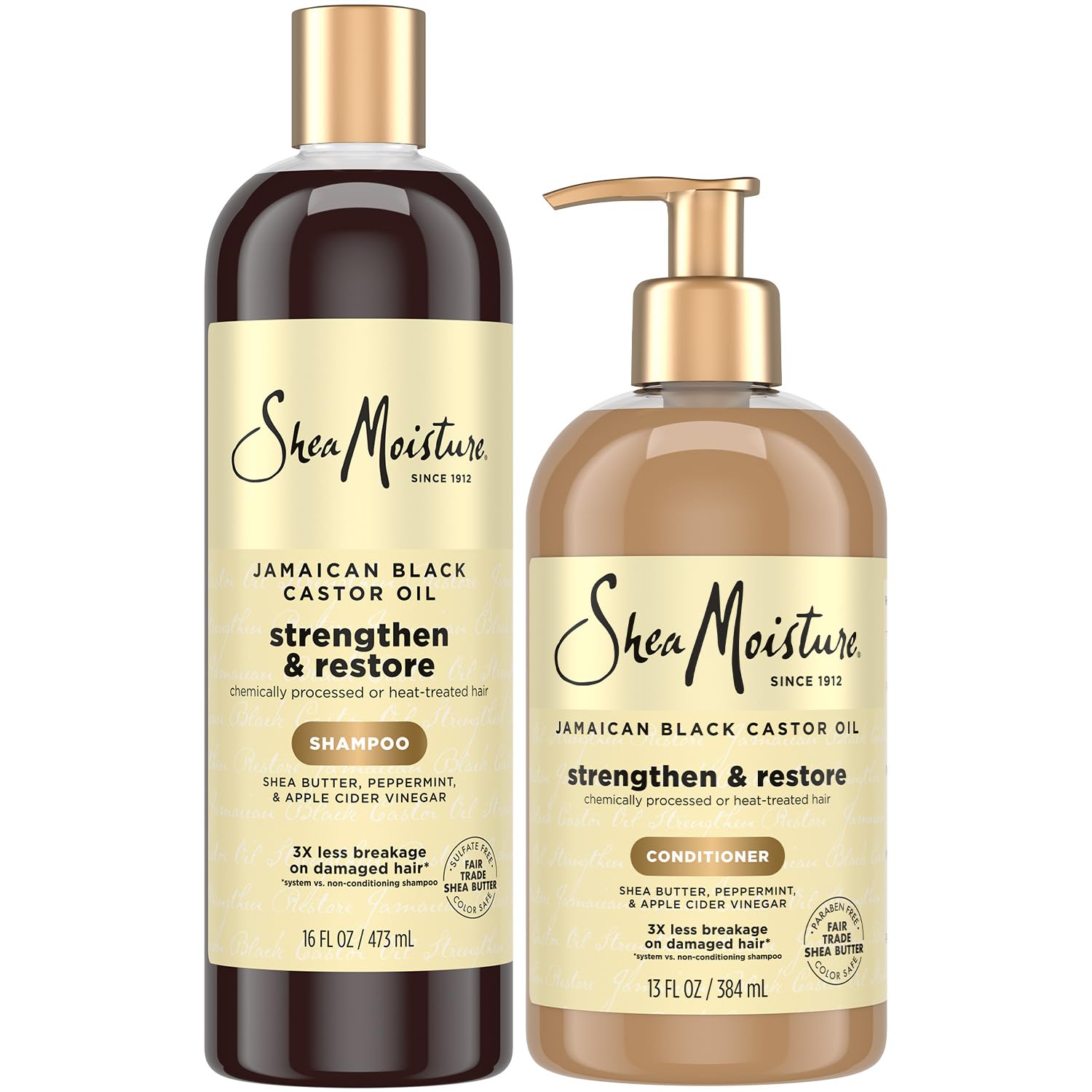
Shea Moisture Jamaican Black Castor Oil Shampoo Review
Salon-grade gentle cleansing formula designed to maintain optimal moisture balance, protect hair cuticles, and deliver touchable softness without harsh sulfates or parabens.

L'Oreal EverPure Sulfate-Free Shampoo: Curly Hair Revival
Salon-grade gentle cleansing formula designed to maintain optimal moisture balance, protect hair cuticles, and deliver touchable softness without harsh sulfates or parabens.
Frequently Asked Questions
Is sulfate-free shampoo actually better for coarse hair?
Yes. Sulfates are highly efficient at removing lipids. Since coarse hair naturally struggles with dryness and cuticle roughness, removing those essential lipids leads to increased friction, frizz, and breakage. Sulfate-free alternatives cleanse the hair while leaving enough of the natural oil barrier intact to keep the hair feeling soft and manageable.
What ingredients specifically help in softening the coarse hair cuticle?
The most effective ingredients for softening the cuticle are those that provide lubrication and film-forming properties. Betaine-based surfactants, shea butter, avocado oil, and cationic polymers like Polyquaternium or Guar Hydroxypropyltrimonium Chloride are key. These ingredients create a smooth, microscopic layer over the hair shaft, reducing the "rough" feeling and preventing strands from interlocking and tangling.
How often should I wash thick, dry, coarse hair?
Generally, coarse hair does not require daily washing. Because the hair shaft is thicker, it often distributes scalp oils more slowly than fine hair, and the ends remain dry longer. Washing 2 to 3 times a week is usually sufficient. Over-washing, even with sulfate-free products, can lead to unnecessary moisture loss. If the scalp becomes oily, focus the shampoo only on the roots.
How do I tame coarse frizzy hair without making it look greasy?
The secret is "strategic layering." Instead of using one heavy cream, use a sequence of lightweight products. Start with a water-based leave-in conditioner to hydrate the cortex, then follow with a tiny amount of a high-quality oil or serum to seal the cuticle. This provides the necessary slip and frizz control without the heavy, weighed-down appearance that comes from over-applying a single thick product.