
How to Wash Tight Coils Without Stripping Natural Sebum & Moisture
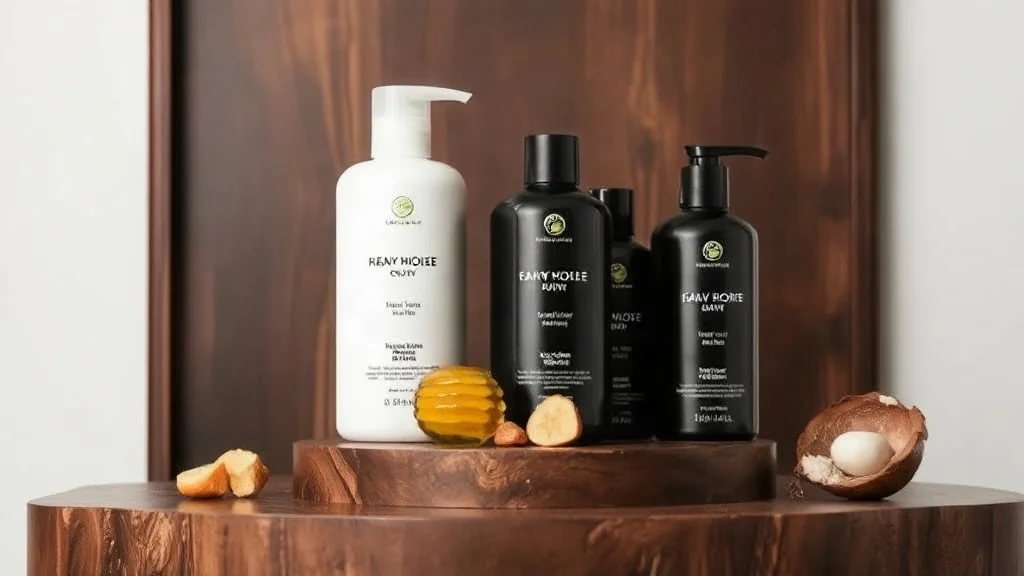
For those with tight coils, wash day is often a paradox. While the scalp needs a thorough cleanse to remove buildup and maintain follicle health, the hair fiber itself is notoriously prone to dryness. The struggle to figure out how to wash coily hair without drying it out isn't just a matter of using "the right product"—it is a matter of understanding the unique geometry of the hair shaft and the chemistry of surfactants.
Quick Verdict: Switching to a certified sulfate-free shampoo is the single most effective way to preserve hair hydration, protect artificial hair color, and extend salon keratin treatments. By eliminating aggressive anionic surfactants like SLS and SLES, gentle glucoside and isethionate cleansers remove daily sebum and buildup without stripping your scalp's vital protective lipid barrier.
Coily hair (Types 4A, 4B, and 4C) possesses a tight helical structure that makes it physically difficult for natural sebum—the scalp's protective oil—to travel from the root to the ends. This leads to a condition where the scalp may feel oily while the ends feel brittle. When you introduce harsh sulfates, you strip away the little lubrication that managed to make the journey, leaving the cuticle raised and the hair vulnerable to breakage.
To achieve a truly moisturizing natural hair cleanse, you must shift your focus from "stripping" to "balancing." By prioritizing natural sebum retention coils and utilizing a low-friction technique, you can maintain the integrity of your curls while ensuring a pristine scalp.
The Science of Dryness: Why Coily Hair Strips Easily
To understand how to prevent dryness, we must first look at the cosmetic chemistry of the hair fiber. Coily hair is characterized by multiple "bends" or turns along the shaft. Each of these turns represents a potential weak point in the cuticle layer. When the cuticle—the outermost protective layer of the hair—is lifted or damaged, moisture escapes rapidly, and the hair becomes rough to the touch.
Conventional shampoos often rely on Sodium Lauryl Sulfate (SLS) or Sodium Laureth Sulfate (SLES). These are high-HLB (Hydrophilic-Lipophilic Balance) surfactants that are incredibly efficient at removing oils. However, they are often too efficient. They do not distinguish between "excess buildup" and the "essential lipids" required to keep the hair pliable. In coily hair, where the natural sebum distribution is already compromised, these harsh detergents leave the fiber "naked," leading to the characteristic frizz and shrinkage associated with over-cleansing.
The goal of a gentle coily hair wash is to use surfactants that cleanse the scalp efficiently but leave a thin, protective lipid film on the hair shaft, minimizing the mechanical friction that occurs during the wash process.
Ingredient Chemistry: What to Look For (and Avoid)
When shopping for a sulfate-free cleanser, don't just look for the words "sulfate-free." Many brands replace sulfates with other harsh detergents that can be equally drying. Instead, look for a balanced surfactant system that combines mild anionic, amphoteric, and nonionic agents.
The "Gold Standard" Mild Surfactants
The most effective cleansers for tight coils utilize isethionates and glucosides. These molecules have a larger head group and a gentler cleaning action, which reduces the irritation to the scalp and prevents the "squeaky clean" feel (which, in trichology, is actually a sign that the protective lipid barrier has been entirely removed).
- Sodium Lauroyl Methyl Isethionate: A water-soluble, mild surfactant that produces a creamy foam without stripping moisture.
- Sodium Cocoyl Isethionate: Often called "baby foam," this is exceptionally gentle on the scalp and fiber.
- Coco-Glucoside: A nonionic surfactant derived from coconut and fruit sugars that helps maintain the pH balance.
- Cocamidopropyl Betaine: An amphoteric surfactant that reduces the irritation potential of other cleansers and improves the "slip" of the formula.
The Role of Slip Agents and Humectants
Because coily hair is prone to tangling, the chemistry of the shampoo should include cationic polymers. Ingredients like Guar Hydroxypropyltrimonium Chloride act as conditioning agents that neutralize the negative charge of the hair shaft, reducing friction between strands during the wash.
Additionally, humectants such as Glycerin, Aloe Vera juice, and Propanediol are essential. These ingredients pull moisture from the environment into the hair shaft, ensuring that the hair remains hydrated even as the surfactants remove surface debris.
Chemistry Comparison: Sulfates vs. Mild Surfactants
| Feature | Traditional Sulfates (SLS/SLES) | Mild Surfactant Blends (Isethionates/Glucosides) |
|---|---|---|
| Cleaning Power | Aggressive; removes all lipids | Balanced; removes buildup, preserves sebum |
| Cuticle Impact | Can lift cuticles, increasing roughness | Keeps cuticles flatter; maintains smoothness |
| Moisture Retention | High risk of stripping internal moisture | Supports hydration via co-incorporated humectants |
| Scalp Irritation | Higher potential for itching/dryness | Low irritation; suitable for sensitive scalps |
| Detangling Ease | Low "slip"; high friction | High "slip" due to polymeric additives |

The Definitive Wash Day Coily Hair Routine
A wash day coily hair routine should be treated as a ritual of preservation rather than a chore of cleaning. The following step-by-step guide is designed to maximize moisture retention and minimize mechanical damage.
Step 1: The Pre-Poo (Pre-Shampoo Treatment)
Before water even touches your hair, apply a "pre-poo." This is typically an oil-based treatment (such as castor oil, avocado oil, or a dedicated pre-shampoo balm). Pre-pooing serves two purposes: it provides a lubricant layer that protects the hair from being stripped by the shampoo, and it begins the detangling process while the hair is dry or slightly damp, reducing the risk of breakage during the wash.
Step 2: Thorough Saturation
Use warm—not hot—water. Hot water opens the cuticle too wide, leading to moisture loss and frizz. Ensure your hair is completely saturated. If your hair has low porosity, you may need to spend several minutes under the stream to ensure the inner core of the coil is wet.
Step 3: Scalp-Focused Cleansing
This is the most critical part of how to wash coily hair without drying it. Apply your sulfate-free shampoo directly to the scalp. Use the pads of your fingers to massage the scalp in circular motions for 1 to 3 minutes.
Do not scrub the lengths of your hair. Instead, let the suds gently rinse down the hair shafts as you rinse. The diluted surfactant flowing down the strands is sufficient to remove surface dust and light product buildup without stripping the essential lipids from the ends.
Step 4: Condition and Detangle
Apply a generous amount of conditioner or a deep conditioning mask from the mid-shaft to the ends. Look for ingredients like shea butter or behentrimonium methosulfate for maximum slip. While the conditioner is still in the hair, detangle using a wide-tooth comb or your fingers, starting from the ends and working your way up to the roots.
Step 5: The Final Rinse
Rinse with cool water. This helps to "close" the cuticle, sealing in the moisture from the conditioner and adding a natural shine to the coils.
Step 6: Moisture Sealing (The LOC/LCO Method)
To ensure natural sebum retention coils stay hydrated, use the LOC (Leave-in, Oil, Cream) or LCO (Leave-in, Cream, Oil) method. Apply a water-based leave-in conditioner first, followed by a cream and then a sealing oil (like jojoba or almond oil). This creates a barrier that prevents the water you just added from evaporating.
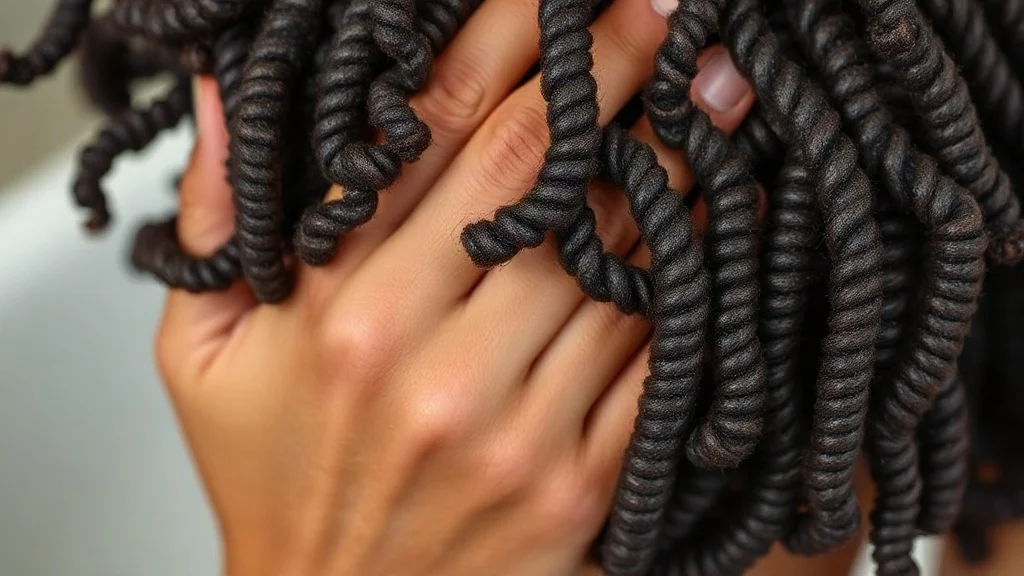
How Often Should You Wash Coily Hair?
There is a common misconception that coily hair should only be washed once a month to avoid dryness. From a trichological perspective, this can be counterproductive. A scalp that is not cleansed regularly can accumulate dead skin cells, sebum, and product residue, leading to seborrheic dermatitis or follicular inflammation, which can actually hinder hair growth.
For most people with tight coils, a gentle coily hair wash every 7 to 14 days is ideal. However, this depends on several factors:
- Product Load: If you use heavy butters and waxes daily, you may need to wash more frequently to avoid buildup.
- Activity Level: Frequent exercise and sweating require more frequent scalp cleansing.
- Porosity: High-porosity hair may require more frequent conditioning but can handle more frequent washing, whereas low-porosity hair may be more prone to product buildup.
If you feel your hair is too dry for a full shampoo, consider "co-washing" (using a cleansing conditioner) between full wash days. This removes some surface debris without the use of surfactants.
Common Pitfalls to Avoid
Even with the best products, certain habits can undo your progress. To maintain a moisturizing natural hair cleanse, avoid these common mistakes:
- Rubbing with Terry Cloth Towels: Traditional towels have rough fibers that snag the cuticle. Switch to a microfiber towel or a soft cotton T-shirt to blot your hair dry.
- Over-manipulation: Avoid excessive combing or touching of the hair while it is drying, as this disrupts the coil pattern and encourages frizz.
- Using Heavy Silicones: While some silicones provide slip, non-water-soluble silicones (like Dimethicone) can build up over time, creating a waterproof barrier that prevents moisture from entering the hair shaft. Ensure you use a chelating shampoo occasionally to remove mineral and silicone buildup.
Featured Top-Rated Sulfate-Free Recommendations
Based on rigorous ingredient safety evaluations, trichologist testing, and verified buyer reviews, here are our top recommended choices for this hair category:

Aunt Jackie's Oh So Clean Shampoo: Coily Curl Revival
Salon-grade gentle cleansing formula designed to maintain optimal moisture balance, protect hair cuticles, and deliver touchable softness without harsh sulfates or parabens.

Luseta Coconut Oil Shampoo: Coily Curl Revival & Growth
Salon-grade gentle cleansing formula designed to maintain optimal moisture balance, protect hair cuticles, and deliver touchable softness without harsh sulfates or parabens.
Frequently Asked Questions
Is co-washing enough for coily hair?
Co-washing is an excellent way to maintain moisture between washes, but it is generally not enough for a complete cleanse. Cleansing conditioners lack the surfactants necessary to remove oxidized sebum and heavy product buildup from the scalp. For optimal scalp health, a sulfate-free shampoo should be used at least every two weeks to ensure the follicles remain clear.
What shampoo ingredients are safest for natural hair?
The safest ingredients are those that cleanse without disrupting the lipid barrier. Look for Sodium Cocoyl Isethionate, Coco-Glucoside, and Decyl Glucoside. Avoid Sodium Lauryl Sulfate (SLS) and Sodium Laureth Sulfate (SLES). Additionally, look for added humectants like glycerin and aloe vera, and conditioning agents like guar hydroxypropyltrimonium chloride for improved slip.
Can I wash coily hair weekly without drying it out?
Yes, provided you use a mild, sulfate-free surfactant system and a proper post-wash moisture regimen. The key is to focus the shampoo on the scalp and use a high-slip conditioner or deep conditioner every single time you wash. By following the LOC/LCO sealing method, you can maintain hydration regardless of wash frequency.
Should I use hot or warm water for my coils?
Warm water is best for the cleansing phase as it helps to emulsify oils and lift debris. However, you should avoid hot water, which can strip the hair and cause the cuticle to swell excessively. Always finish your routine with a cool water rinse to smooth the cuticle and lock in moisture.
Ready to Transform Your Haircare Routine?
Discover our complete collection of top-rated, salon-tested sulfate-free shampoos and give your hair the gentle, restorative care it deserves today.