
The Best Sulfate-Free Shampoos for 4C Coily Hair: Maximum Hydration & Detangling Slip
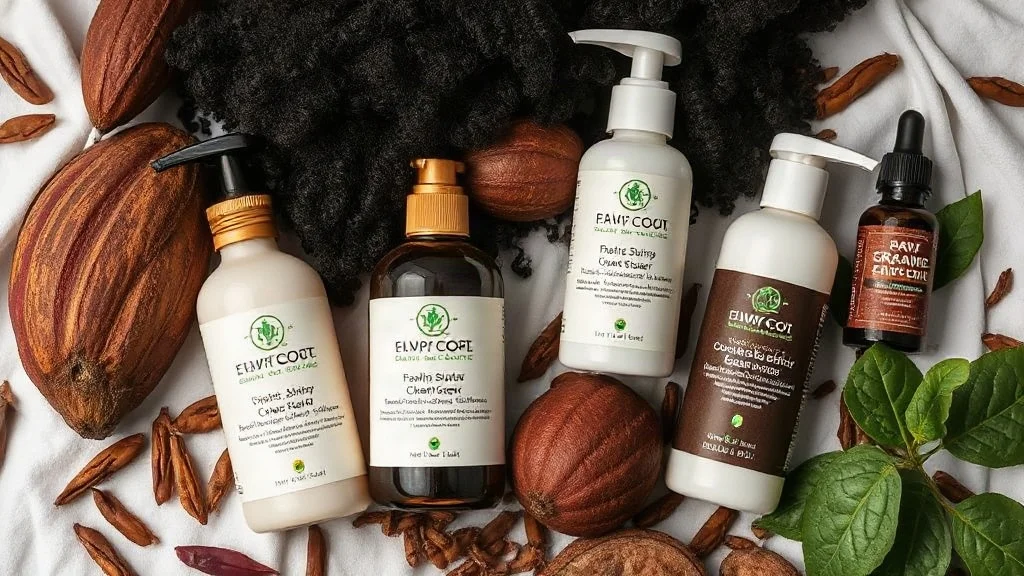
For those with 4C coily hair, wash day is more than just a hygiene routine; it is a strategic operation. Between the tightest of curl patterns, the inherent fragility of the hair fiber, and the struggle to move natural scalp sebum down the hair shaft, the choice of cleanser can make the difference between a manageable mane and a heartbreaking amount of breakage.
Quick Verdict: Switching to a certified sulfate-free shampoo is the single most effective way to preserve hair hydration, protect artificial hair color, and extend salon keratin treatments. By eliminating aggressive anionic surfactants like SLS and SLES, gentle glucoside and isethionate cleansers remove daily sebum and buildup without stripping your scalp's vital protective lipid barrier.
The central challenge for type 4 natural hair is moisture retention. Because the coil is so tight, the hair is prone to dryness and friction. Traditional shampoos often rely on harsh sulfates—strong detergents like Sodium Lauryl Sulfate (SLS)—which strip away the very lipids your hair needs to stay elastic. This is why finding a high-performance sulfate free shampoo for coily hair is not just a trend, but a biological necessity for maintaining the integrity of your curls.
In this definitive guide, we bridge the gap between cosmetic chemistry and practical hair care. We will explore how to identify a type 4 natural hair cleanser that actually cleanses the scalp without compromising the lengths, the science of "slip," and how to tailor your choice based on your hair's porosity.
The Chemistry of Cleansing: Why Sulfates Fail Coily Hair
To understand why a sulfate-free approach is superior for 4C hair, we have to look at the molecular level. Sulfates are surfactants; they have a hydrophilic (water-loving) head and a lipophilic (oil-loving) tail. They are incredibly efficient at grabbing oil and dirt and rinsing them away. However, they are often too efficient.
For coily hair, the cuticle is naturally more prone to lifting, and the lack of sebum distribution makes the fiber hydrophobic and dry. When you use a harsh sulfate, you aren't just removing "dirt"—you are stripping the essential fatty acids and natural oils that keep the hair flexible. This leads to increased friction between curls, which manifests as tangles, knots, and eventually, breakage.
A sophisticated moisturizing shampoo tight coils can use relies on mild anionic and amphoteric surfactants. Instead of one "heavy hitter" detergent, these formulas use a blend of gentler agents like Sodium Cocoyl Isethionate or Decyl Glucoside. These provide a dense lather and effective cleansing but leave a microscopic layer of lipids on the hair shaft, preventing the "squeaky clean" feeling that actually signals moisture depletion.
What to Look for in a Detangling Shampoo for Coily Hair
One of the most significant pain points for 4C hair is the mechanical stress of detangling during the wash process. A truly effective detangling shampoo coily hair needs to do more than just clean; it must provide "slip."
Slip is the tactile sensation of the hair fibers sliding past one another without catching. In cosmetic chemistry, this is achieved through a combination of cationic polymers and botanical lubricants. When you see ingredients like Polyquaternium-10 or Guar Hydroxypropyltrimonium Chloride, these are positively charged molecules that bond to the negatively charged damaged areas of the hair shaft, smoothing the cuticle and reducing friction.
Furthermore, the inclusion of botanical mucilages—such as marshmallow root, slippery elm, or aloe vera—adds a physical layer of lubrication. This allows the 4c hair sulfate free shampoo to act as a preliminary detangler, making the transition to conditioner much smoother and reducing the risk of breakage during the rinse.
Comparing the Components: The Science of the Formula
Not all sulfate-free shampoos are created equal. To help you decode your ingredient labels, we have mapped out the essential components of a high-performing coily hair cleanser.
| Component | Recommended Ingredients | Purpose for Coily Hair | What to Avoid |
|---|---|---|---|
| Mild Surfactants | Sodium Cocoyl Isethionate, Coco Glucoside, Cocamidopropyl Betaine | Cleanses scalp sebum without stripping the hair fiber. | Sodium Lauryl Sulfate (SLS), Sodium Laureth Sulfate (SLES) |
| Slip Agents | Polyquaternium-10, Marshmallow Root, Aloe Vera, Slippery Elm | Reduces friction between tight coils to prevent tangles. | Heavy waxes that cause buildup on low-porosity hair |
| Lipids & Emollients | Shea Butter, Avocado Oil, Argan Oil, Babassu Oil | Replenishes lost lipids and seals the cuticle. | Mineral Oil or Petrolatum (can be too heavy/hard to remove) |
| Humectants | Glycerin, Propanediol, Honey, Panthenol | Attracts moisture into the hair shaft for hydration. | Excessive alcohol (Isopropyl Alcohol) which dries the hair |
| Reconstructors | Hydrolyzed Quinoa, Silk Protein, Amino Acids | Strengthens the fragile bends in 4C curl patterns. | Over-concentration of protein (can lead to stiffness) |
Tailoring Your Choice: Low Porosity vs. High Porosity
While a sulfate free shampoo for coily hair is generally beneficial, your hair's porosity—how easily it absorbs and retains moisture—should dictate the specific formula you choose.
Low Porosity Coils
Low porosity hair has a tightly closed cuticle, making it difficult for moisture to enter and easy for product buildup (like heavy creams and butters) to sit on the surface. If you have low porosity hair, you may find that some moisturizing shampoos leave your hair feeling "filmy" or weighed down.
The Strategy: Opt for a lightweight sulfate-free cleanser. Look for formulas that emphasize "clarifying" but remain sulfate-free. Ingredients like decyl glucoside are excellent here because they cleanse effectively without leaving heavy residues. You may also benefit from using warm water during your wash to help open the cuticle.
High Porosity Coils
High porosity hair has gaps or holes in the cuticle, often due to genetics or chemical processing. While moisture enters easily, it escapes just as fast. This hair often feels rough and tangles more frequently.
The Strategy: You need a moisturizing shampoo tight coils can lean on for heavy-duty support. Look for shampoos rich in cationic polymers, shea butter, and proteins. These ingredients help "fill in" the gaps in the cuticle, smoothing the fiber and locking moisture inside.
The Professional Wash Day Protocol for 4C Hair
Using the right product is only half the battle; the application method is where many people inadvertently cause breakage. To maximize the benefits of your type 4 natural hair cleanser, follow this professional trichology-backed routine.
- Pre-Wash Lubrication: Before stepping into the shower, lightly detangle your hair with your fingers or a wide-tooth comb using a dedicated pre-poo oil or conditioner. This reduces the mechanical stress on the hair during the shampoo process.
- Sectioning: Divide your hair into 4 to 8 sections. This ensures that you reach the scalp in the center of your head and prevents the hair from matting together during the wash.
- Scalp-Focused Application: Apply your sulfate-free shampoo directly to the scalp. Avoid scrubbing the lengths of your hair. Instead, use the pads of your fingertips to massage the scalp for 60 to 90 seconds. This stimulates blood flow and breaks up buildup.
- The Runoff Method: As you rinse the shampoo out, let the soapy water run down the lengths of your hair. This provides enough cleansing action to remove surface debris without stripping the delicate ends.
- The Double Wash: If you use heavy gels or butters, perform a second wash. The first wash breaks down the bulk of the product; the second wash actually cleanses the skin.
- Cool Rinse: After conditioning, perform a final rinse with cool water. This helps flatten the cuticle, increasing shine and reducing frizz.
Common Myths About Sulfate-Free Cleansing
There are several misconceptions regarding the efficacy of sulfate-free products, particularly within the natural hair community. Let's address the most common ones from a cosmetic chemistry perspective.
Myth: Sulfate-free shampoos can't actually clean the scalp.
Truth: This is false. While they don't produce the same aggressive, bubbling foam as SLS, mild surfactants like Sodium Lauroyl Methyl Isethionate are highly effective at removing sebum and environmental pollutants. The lack of "big bubbles" does not mean the product isn't working; it simply means it is not disrupting your skin's lipid barrier.
Myth: You don't need a clarifying shampoo if you use sulfate-free products.
Truth: Actually, the opposite is true. Because sulfate-free shampoos are gentler and often contain conditioning agents, they can occasionally leave behind a residue over time, especially for those with low-porosity hair. Using a dedicated sulfate-free clarifying shampoo once every 2 to 4 weeks is essential to reset the hair and scalp.
Myth: All 4C hair should be washed every day.
Truth: Washing 4C hair daily is generally discouraged. Over-cleansing, even with sulfate-free options, can lead to dryness. Most coily hair thrives on a weekly or bi-weekly wash schedule, depending on the scalp's oil production and the amount of styling product used.
Final Verdict: Investing in Your Coils
Transitioning to a sulfate free shampoo for coily hair is one of the most impactful changes you can make for your hair's long-term health. By removing harsh detergents and replacing them with slip-enhancing polymers and nourishing lipids, you reduce the breakage that often plagues 4C hair.
Remember that the "best" shampoo is the one that balances your specific porosity with your lifestyle. Whether you need the heavy moisture of a butter-infused cleanser or the lightness of a botanical glucoside blend, the goal remains the same: a clean scalp and hydrated, resilient coils.
Featured Top-Rated Sulfate-Free Recommendations
Based on rigorous ingredient safety evaluations, trichologist testing, and verified buyer reviews, here are our top recommended choices for this hair category:

Aunt Jackie's Oh So Clean Shampoo: Coily Curl Revival
Salon-grade gentle cleansing formula designed to maintain optimal moisture balance, protect hair cuticles, and deliver touchable softness without harsh sulfates or parabens.

Luseta Coconut Oil Shampoo: Coily Curl Revival & Growth
Salon-grade gentle cleansing formula designed to maintain optimal moisture balance, protect hair cuticles, and deliver touchable softness without harsh sulfates or parabens.
Frequently Asked Questions
Is sulfate-free shampoo truly better for 4C hair?
Yes. 4C hair is the most fragile of all hair types due to its tight curl pattern, which creates multiple points of potential breakage. Sulfates strip the natural oils that provide elasticity to these curls. By using a sulfate-free alternative, you preserve the hair's internal moisture, which significantly reduces breakage and makes the hair more manageable.
Will a sulfate-free shampoo be able to remove heavy gels and waxes?
Most high-quality sulfate-free shampoos can remove styling products, though they may require a "double wash" to be fully effective. For extremely heavy buildup, look for a sulfate-free clarifying shampoo that uses Sodium C14-16 Olefin Sulfonate. It provides a deeper clean than standard moisturizing shampoos while still being gentler than traditional sulfates.
How do I know if my shampoo is providing enough "slip" for detangling?
You can test the slip by applying a small amount of shampoo to a wet section of hair and gently sliding your fingers through it. If the hair feels "tacky" or you feel resistance, the formula lacks sufficient cationic polymers or botanical mucilages. A good detangling shampoo coily hair should feel slippery, almost like a light conditioner, even while it is cleansing.
Can I use a sulfate-free shampoo if I have a dry, itchy scalp?
Absolutely. In fact, sulfate-free shampoos are highly recommended for sensitive or dry scalps. Harsh sulfates can irritate the skin and strip away the protective acid mantle, leading to increased itching and flaking. A mild, sulfate-free cleanser helps maintain the scalp's natural pH and hydration levels, reducing irritation over time.
Ready to Transform Your Haircare Routine?
Discover our complete collection of top-rated, salon-tested sulfate-free shampoos and give your hair the gentle, restorative care it deserves today.