
Why Curls Turn Frizzy with Regular Shampoo (And How Sulfate-Free Formula Fixes It)
If you have ever spent an hour defining your curls only to have them explode into a cloud of frizz the moment you step outside, you have likely blamed the humidity. While the weather plays a role, the culprit often starts in the shower. For many people with textured hair, the very product designed to clean the hair—regular shampoo—is the primary driver of dehydration and frizz.
Quick Verdict: Switching to a certified sulfate-free shampoo is the single most effective way to preserve hair hydration, protect artificial hair color, and extend salon keratin treatments. By eliminating aggressive anionic surfactants like SLS and SLES, gentle glucoside and isethionate cleansers remove daily sebum and buildup without stripping your scalp's vital protective lipid barrier.
The science behind this is rooted in the unique architecture of the curly hair fiber. Unlike straight hair, curly hair possesses a structural geometry that makes it inherently more susceptible to dryness. When you introduce harsh detergents into this equation, you aren't just removing dirt; you are stripping away the essential lipids that keep your curls clumped, defined, and smooth. This is why curly hair needs sulfate free shampoo: it is not a marketing trend, but a biological necessity for maintaining the integrity of the curl pattern.
The Architecture of a Curl: Why Texture Equals Dryness
To understand why sulfates cause frizzy hair, we first have to understand the physics of the hair shaft. Every strand of hair is covered in a cuticle—a series of overlapping scales that protect the inner cortex. In straight hair, these scales lie relatively flat, and the natural oils (sebum) produced by the scalp can glide easily from the root down to the ends.
Curly hair is different. The coiled shape of the fiber creates "bend points" along the shaft. At every turn of the curl, the cuticle is slightly more lifted, and the path for sebum is obstructed. Consequently, the ends of curly hair are almost always drier than the roots. This creates a fragile moisture barrier curls struggle to maintain. When the cuticle is lifted or damaged, moisture escapes from the inner shaft, and external humidity rushes in, causing the hair to swell and frizz.
Regular Shampoo Curl Damage: The Role of Sulfates
Most traditional shampoos rely on a class of surfactants called sulfates, most notably Sodium Lauryl Sulfate (SLS) and Sodium Laureth Sulfate (SLES). In cosmetic chemistry, a surfactant is a molecule that lowers the surface tension of water, allowing it to mix with oils so they can be rinsed away. Sulfates are exceptionally efficient at this—too efficient for curly hair.
When you use a high-sulfate cleanser on curls, several damaging processes occur simultaneously:
- Lipid Stripping: Sulfates do not distinguish between "excess" oil and the essential 18-MEA (18-methyl eicosanoic acid) surface lipids that lubricate the hair fiber. Once these lipids are gone, the hair loses its natural slip.
- Cuticle Lifting: The aggressive nature of anionic sulfates can cause the cuticle scales to flare open. This increases friction between individual strands, preventing them from "clumping" together into defined curls.
- Moisture Evaporation: With the cuticle lifted and the lipid barrier gone, the internal moisture of the hair evaporates rapidly. This leaves the fiber porous and dehydrated, which is the textbook definition of frizz.
This cycle of regular shampoo curl damage creates a paradoxical experience: the hair feels "squeaky clean," but that sensation is actually the sound of friction caused by a lack of lubrication. For curly hair, "squeaky clean" is a warning sign of impending frizz.
The Chemistry of the Fix: How Sulfate-Free Formulas Work
Switching to a gentle surfactant curl wash changes the chemical interaction between the cleanser and the hair fiber. Sulfate-free shampoos replace harsh detergents with milder alternatives that cleanse without compromising the hair's lipid layer.
Gentler Surfactants
Instead of SLS, world-class sulfate-free formulas utilize surfactants like Cocamidopropyl Betaine or Sodium Cocoyl Isethionate. These molecules are larger and less aggressive; they lift away environmental pollutants and excess sebum but leave the protective surface lipids intact. This ensures the cuticle remains closed and the curl pattern stays compressed.
Barrier-Supporting Emollients
Because curly hair is naturally lipid-deficient, high-quality sulfate-free shampoos often incorporate fatty alcohols (like Cetyl or Stearyl alcohol) and plant-based esters. These ingredients act as placeholders for the oils that sulfates usually strip away, providing an immediate smoothing effect during the wash process.
Humectants for Hydration
To combat the inherent dryness of the coil, sulfate-free systems often integrate humectants such as Glycerin, Panthenol, or Sodium PCA. These molecules draw moisture from the air into the hair shaft, ensuring that the curls remain plump and elastic rather than brittle and flyaway.
Comparative Analysis: Regular vs. Sulfate-Free Cleansing
To better understand the chemical difference, the following table outlines how different cleansing systems affect the curly hair fiber.
| Feature | Regular Sulfate Shampoo | Sulfate-Free Curl Wash |
|---|---|---|
| Primary Surfactant | Sodium Lauryl Sulfate (SLS) | Sodium Cocoyl Isethionate / Betaines |
| Action on Cuticle | Lifts scales; increases porosity | Preserves flat cuticle; lowers friction |
| Effect on Lipids | Strips 18-MEA surface lipids | Preserves natural lubrication |
| Immediate Result | Squeaky clean, high volume, high frizz | Soft touch, defined clumps, manageable |
| Long-term Impact | Chronic dryness and breakage | Improved elasticity and moisture retention |
Designing the Ultimate Curly Wash Routine
Simply switching your shampoo is a great first step, but the way you wash your hair is just as important as what you use. To maximize the benefits of a sulfate-free system and protect your moisture barrier, follow this professional trichological protocol.
- Thorough Saturation: Begin by soaking your hair with warm water for at least two minutes. This hydrates the fiber and allows the gentler surfactants to spread more evenly without needing excessive scrubbing.
- Targeted Scalp Cleansing: Apply your sulfate-free shampoo only to the scalp. Use the pads of your fingertips to massage the skin. Do not pile your hair on top of your head and scrub, as this causes mechanical damage to the curls and encourages tangles.
- Passive Length Cleansing: As you rinse, let the suds flow down the lengths of your hair. This is sufficient to remove dust and styling product without stripping the ends, which are the most fragile parts of the curl.
- Condition with "Slip": Immediately apply a conditioner rich in behentrimonium chloride or fatty alcohols. This "closes" the cuticle and provides the slip necessary for detangling.
- Strategic Detangling: Only detangle while the conditioner is in the hair. Use a wide-tooth comb or your fingers, starting from the ends and working your way up to the roots.
- The Cool Rinse: Finish with a cool water rinse. This helps contract the cuticle, locking in moisture and adding a natural shine to the hair.
- Low-Friction Drying: Abandon the terry cloth towel. Use a microfiber towel or an old cotton T-shirt to gently squeeze out excess water. Rubbing the hair with a towel creates friction that instantly undoes the work of your sulfate-free cleanser.
Addressing the "Buildup" Myth
A common concern among those transitioning to sulfate-free haircare is the fear of product buildup. Because sulfate-free shampoos are gentler, some users worry they won't be "strong enough" to remove heavy gels, creams, or silicones.
It is important to distinguish between cleaning and stripping. A well-formulated sulfate-free shampoo is absolutely capable of removing daily grime and water-soluble styling products. However, if you use heavy, non-water-soluble silicones (like dimethicone), you may occasionally need a clarifying wash.
The professional recommendation is to use a sulfate-free routine for 90% of your washes and incorporate a gentle clarifying shampoo or a chelating agent (like Disodium EDTA) once every two to four weeks. This removes mineral buildup from hard water and stubborn residues without the devastating dryness caused by daily sulfate use.
Conclusion: The Path to Defined Curls
Frizz is not a permanent characteristic of curly hair; it is a symptom of dehydration and cuticle roughness. When we analyze the chemistry of the hair fiber, it becomes clear that the aggressive detergents found in regular shampoos are fundamentally incompatible with the needs of textured hair. By stripping the essential lipids and lifting the cuticle, sulfates create the perfect conditions for frizz to thrive.
By transitioning to a sulfate-free system, you are choosing to work with your hair's biology rather than against it. A gentle surfactant curl wash preserves the moisture barrier, reduces friction, and allows your natural curl pattern to emerge in its most defined, healthy state. Your curls don't need more "control" products—they need a cleansing system that respects their delicate chemistry.
Featured Top-Rated Sulfate-Free Recommendations
Based on rigorous ingredient safety evaluations, trichologist testing, and verified buyer reviews, here are our top recommended choices for this hair category:
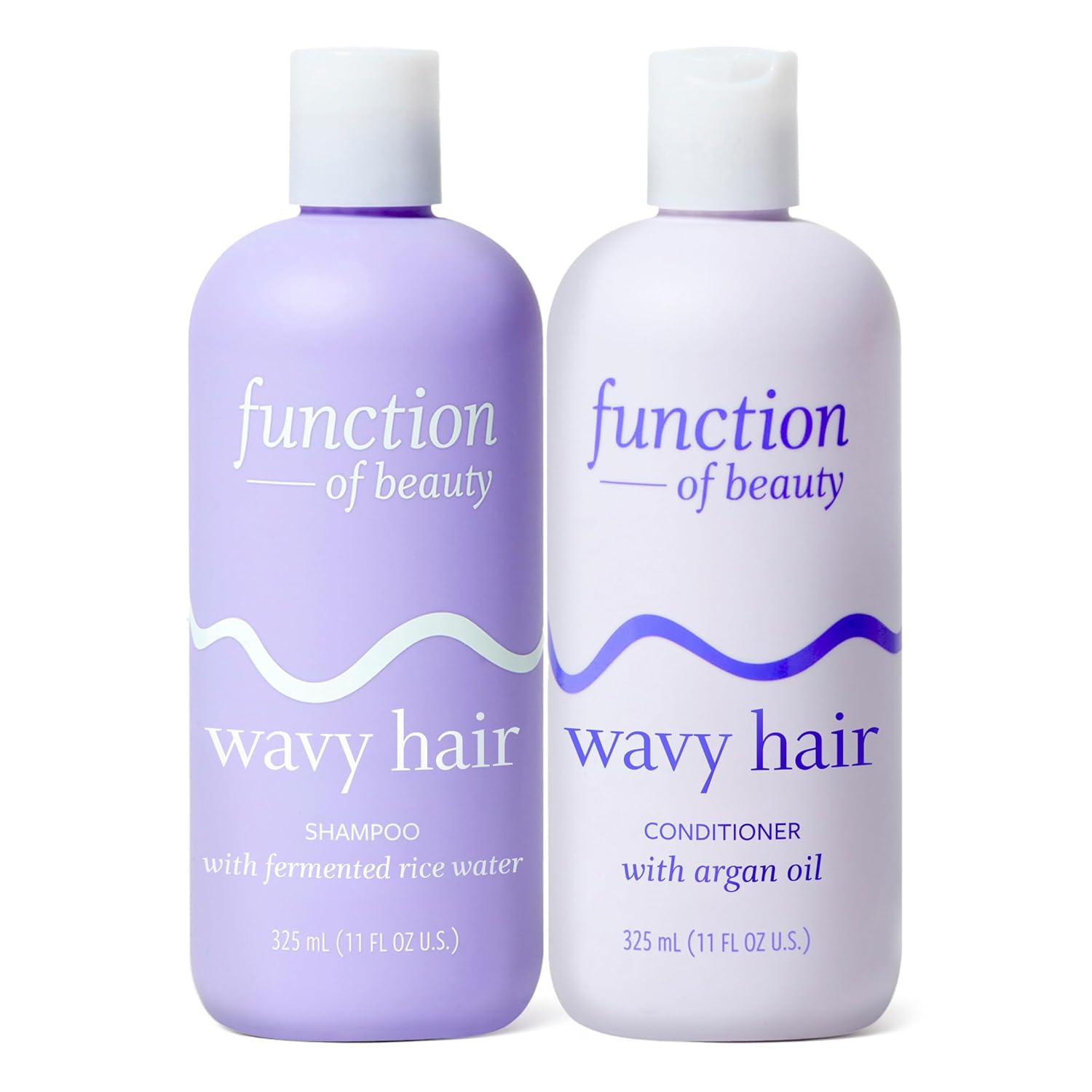
Function of Beauty Wavy Hair Shampoo Review: Unlock Your Best Waves
Salon-grade gentle cleansing formula designed to maintain optimal moisture balance, protect hair cuticles, and deliver touchable softness without harsh sulfates or parabens.

Curl Rhythm Deep Moisturizing Shampoo: The Ultimate Curl Savior
Salon-grade gentle cleansing formula designed to maintain optimal moisture balance, protect hair cuticles, and deliver touchable softness without harsh sulfates or parabens.
Frequently Asked Questions
Why does regular shampoo make my curly hair frizzy?
Regular shampoos contain strong anionic surfactants (sulfates) that strip away the 18-MEA lipid layer and natural sebum from the hair shaft. This leaves the cuticle open and rough. When the cuticle is lifted, the hair loses moisture and attracts humidity from the air, causing the fiber to swell and create the visual appearance of frizz.
Are sulfates permanently damaging to the curl pattern?
While sulfates do not typically change your DNA-determined curl pattern, they can cause "mechanical" damage. Chronic dryness and cuticle lifting can lead to breakage and a loss of elasticity, making curls look limp or distorted. However, most of this damage is reversible by switching to sulfate-free products and implementing a deep-conditioning regimen.
Can sulfate-free shampoo still cleanse buildup effectively?
Yes. Sulfate-free does not mean detergent-free. Modern cosmetic chemistry utilizes mild surfactants like sodium cocoyl isethionate that effectively remove oil and dirt. For those using heavy silicones or living in hard-water areas, a dedicated clarifying treatment once a month is recommended to supplement a sulfate-free routine.
What ingredients should I look for in a curl-safe shampoo?
Look for gentle cleansers like Cocamidopropyl Betaine, Sodium Lauroyl Methyl Isethionate, or Decyl Glucoside. For moisture and slip, seek out fatty alcohols (Cetearyl Alcohol), humectants (Glycerin, Panthenol), and natural emollients (Shea Butter, Argan Oil, or Jojoba Oil). Avoid Sodium Lauryl Sulfate (SLS) and Sodium Laureth Sulfate (SLES).
Ready to Transform Your Haircare Routine?
Discover our complete collection of top-rated, salon-tested sulfate-free shampoos and give your hair the gentle, restorative care it deserves today.