
Butter vs Oil Infused Sulfate-Free Shampoos for Coily Hair (Shea, Mango & Jamaican Black Castor)
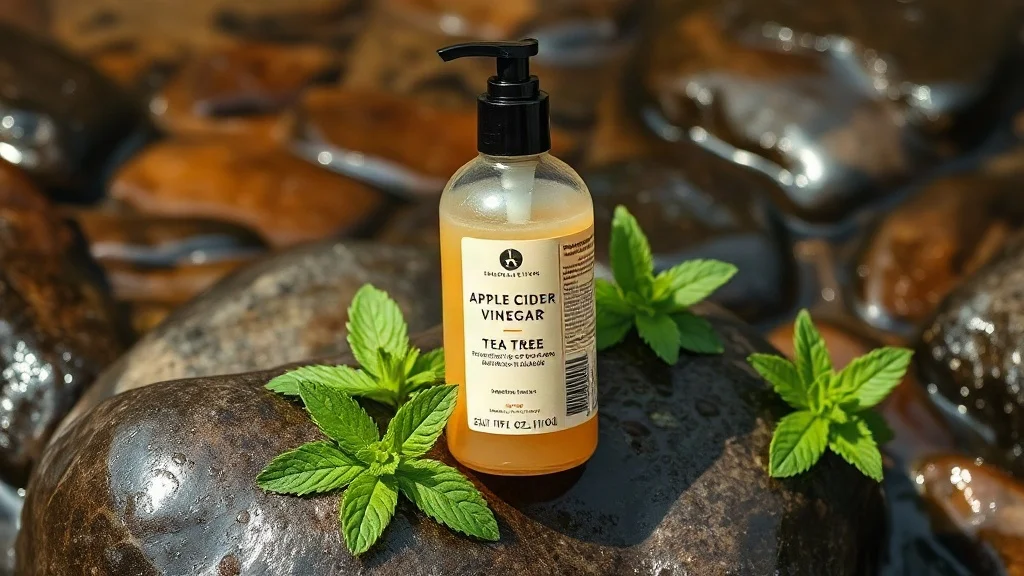
For those with natural coily hair, the "wash day" is more than just a cleaning routine—it is a delicate balancing act of chemistry. The unique structure of tight coils, curls, and zig-zags makes it inherently difficult for the scalp's natural sebum to travel down the hair shaft. This biological reality often leaves the lengths of the hair thirsty, prone to shrinkage, and susceptible to breakage.
Quick Verdict: Switching to a certified sulfate-free shampoo is the single most effective way to preserve hair hydration, protect artificial hair color, and extend salon keratin treatments. By eliminating aggressive anionic surfactants like SLS and SLES, gentle glucoside and isethionate cleansers remove daily sebum and buildup without stripping your scalp's vital protective lipid barrier.
The search for the perfect hydrating shampoo for natural coily hair usually leads to a crossroads: do you choose a butter-infused formula or an oil-infused one? While both are designed to prevent the "stripped" feeling associated with traditional detergents, they interact with the hair fiber in fundamentally different ways. To choose the right one, you need to understand the intersection of surfactant chemistry, lipid weight, and hair porosity.
The Science of Sulfate-Free Cleansing for Coils
Traditional shampoos rely on harsh anionic surfactants like Sodium Lauryl Sulfate (SLS) to create a massive amount of foam. While effective at removing grease, these molecules are often too aggressive for coily textures, stripping away the essential lipids that keep the cuticle smooth. This leads to the dreaded "rough" feel and increased frizz immediately after rinsing.
A high-performance sulfate-free shampoo replaces these harsh agents with mild amphoteric and nonionic surfactants. Ingredients such as glucosides, isethionates, and sarcosinates provide a "creamy, low-lather cleanse." These surfactants lift dirt, excess sebum, and product buildup without disrupting the hair's internal moisture balance. However, because these cleansers are gentler, they are often paired with lipids—butters and oils—to provide "slip" and cushioning during the wash process, which is critical for reducing mechanical breakage in tight textures.
Butter-Infused Shampoos: The Power of Rich Cushioning
Butter-led formulas are generally designed for heavy moisture coily hair needs. In cosmetic chemistry, butters are solid at room temperature and possess a higher molecular weight than oils. When emulsified into a shampoo, they create a rich, dense texture that provides a protective buffer between the hair strands.
Shea Butter Shampoo for Coils
Shea butter is the gold standard for high-shrinkage, dense coils. Because it is rich in stearic and oleic acids, a shea butter shampoo coils routine focuses on maximum softness. Shea butter creates a thick conditioning film that helps "weight" the hair slightly, which can be beneficial for those struggling with extreme volume or dryness. It is ideal for high-porosity hair, where the cuticle is more open and needs a heavier lipid to plug the gaps and prevent moisture from evaporating.
Mango Butter Hair Cleanser
If shea butter is the "heavy-duty" option, mango butter is the "luxury" alternative. A mango butter hair cleanser typically offers a silkier, more fluid feel. It provides the cushioning and softening properties of a butter but with a lighter touch. This makes it an excellent choice for those who want the creamy sensory experience of a butter-based shampoo without the risk of the hair feeling overly weighed down or "waxy" after the rinse.

Oil-Infused Shampoos: Slip, Shine, and Scalp Comfort
While butters provide cushioning, oils provide glide. Oil-infused shampoos are generally more focused on "slip"—the ability of the hair strands to slide past one another without snagging. This is essential for detangling during the wash process.
Jamaican Black Castor Oil Shampoo
A jamaican black castor oil shampoo is often positioned as a scalp-first treatment. Castor oil is a dense, ricinoleic acid-rich oil that is prized for its ability to seal in moisture and soothe the scalp. In a shampoo formula, it helps reduce friction and provides a glossy finish. It is particularly effective for those who experience a dry, itchy scalp or those who are focusing on length retention by minimizing breakage during the wash cycle.
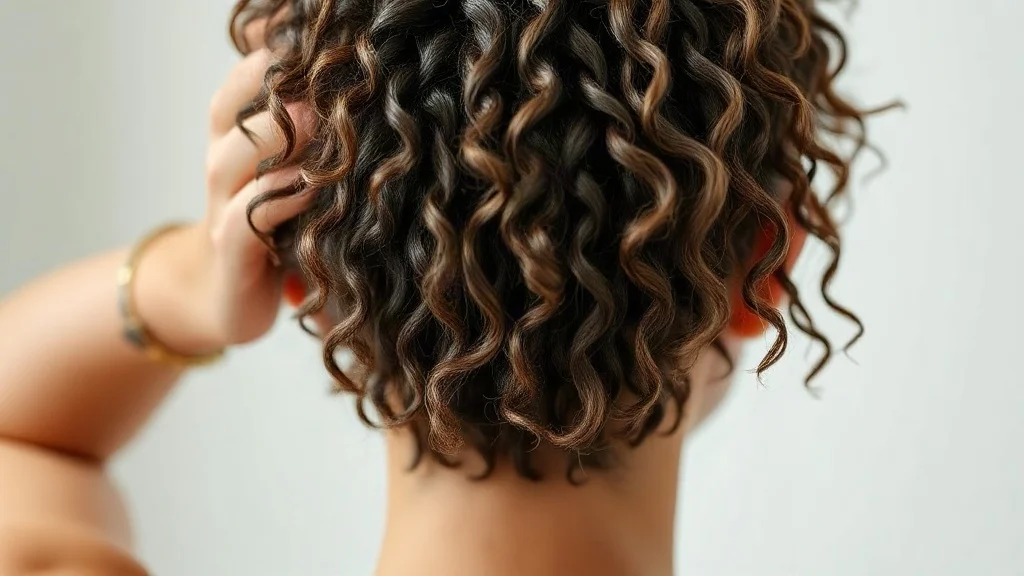
The Porosity Factor: Which One Should You Choose?
To determine whether a butter or oil infusion is right for you, you must identify your hair's porosity—how easily your hair absorbs and retains moisture.
Low Porosity Hair
Low porosity hair has a tightly closed cuticle. Heavy butters can sometimes sit on top of the hair shaft rather than penetrating it, leading to premature buildup and a dull appearance. For these hair types, oil-infused shampoos or lighter butter options (like mango butter) are usually superior. They provide the necessary lubrication without blocking the cuticle.
High Porosity Hair
High porosity hair has gaps or holes in the cuticle, often due to genetics or chemical processing. Water enters easily but escapes just as quickly. This hair type thrives on the "sealing" power of shea butter. The richer lipid load helps fill those cuticle gaps, reducing roughness and locking in the hydration provided by the shampoo's humectants.
Ingredient Chemistry Comparison
The following table breaks down the functional differences between the most common lipid-infused sulfate-free cleansers for coily hair.
| Feature | Shea Butter Infused | Mango Butter Infused | Castor Oil Infused |
|---|---|---|---|
| Primary Benefit | Maximum softness & weight | Silky glide & lightness | Scalp health & seal |
| Texture Feel | Creamy, dense, cushioning | Smooth, luxurious, fluid | Sleek, glossy, lubricating |
| Best Porosity | High Porosity | Medium to Low Porosity | All Porosities |
| Target Concern | Extreme dryness / shrinkage | Roughness without weight | Breakage / dry scalp |
| Rinse Profile | Rich, leaves a protective film | Clean, soft finish | High slip, high shine |
The Ultimate Wash-Day Routine for Coily Hair
Using a high-quality sulfate-free shampoo is only half the battle. The application method determines whether you achieve maximum hydration or accidental tangles.
- Thorough Saturation: Begin by soaking your hair with warm water for at least 3 to 5 minutes. Warmth helps lift the cuticle slightly, allowing the mild surfactants to penetrate and the hydrating ingredients to enter the shaft.
- Emulsification: Do not apply concentrated shampoo directly to one spot on your head. Rub the shampoo between your palms with a splash of water to emulsify it. This ensures an even distribution of butters and oils.
- Scalp-First Application: Focus the massage on the scalp. Use the pads of your fingertips to lift buildup. The lengths of coily hair do not need to be scrubbed; the lather that runs down the strands during rinsing is usually sufficient to clean the ends without stripping them.
- Dilution Strategy: Many hydrating shampoos for natural coily hair are highly concentrated. If the shampoo feels too thick to spread, add a bit more water to your hair to create a more fluid lather.
- The Double Cleanse: If you use heavy gels, edge controls, or leave-in butters, a single wash may not be enough. Perform a two-pass cleanse: the first removes the surface product, and the second deeply cleanses the scalp and hydrates the fiber.
- Cool Rinse: Finish with a cool water rinse to help flatten the cuticle, locking in the lipids and humectants provided by the shampoo.
Beyond the Lipids: The Role of Humectants
While we focus on butters and oils, a truly effective hydrating shampoo must also contain humectants. Lipids (butters/oils) are occlusives—they seal moisture in. Humectants are the ingredients that actually attract water into the hair. Look for these in the ingredient list:
- Glycerin: A powerful water-binder that keeps the hair supple.
- Panthenol (Pro-Vitamin B5): Penetrates the hair shaft to provide long-term moisture and improve elasticity.
- Aloe Vera: Soothes the scalp while adding a lightweight layer of hydration.
- Honey: A natural humectant that adds shine and helps retain moisture in dry environments.
The most successful formulas balance a mild surfactant system, a strategic lipid (like shea or castor oil), and a blend of humectants. This ensures the hair is cleaned, hydrated, and then sealed.
Featured Top-Rated Sulfate-Free Recommendations
Based on rigorous ingredient safety evaluations, trichologist testing, and verified buyer reviews, here are our top recommended choices for this hair category:

Aunt Jackie's Oh So Clean Shampoo: Coily Curl Revival
Salon-grade gentle cleansing formula designed to maintain optimal moisture balance, protect hair cuticles, and deliver touchable softness without harsh sulfates or parabens.

Luseta Coconut Oil Shampoo: Coily Curl Revival & Growth
Salon-grade gentle cleansing formula designed to maintain optimal moisture balance, protect hair cuticles, and deliver touchable softness without harsh sulfates or parabens.
Frequently Asked Questions
Is a sulfate-free shampoo enough for coily hair, or do I need a co-wash?
For many, a sulfate-free shampoo is the perfect middle ground. While co-washing (cleansing with conditioner) is very gentle, it often fails to remove scalp buildup, which can lead to follicles clogging and stunted growth. A sulfate-free, hydrating shampoo removes the necessary grime while leaving behind the conditioning agents that a co-wash provides. If your hair is extremely dry, you can alternate between a sulfate-free shampoo and a co-wash throughout the month.
Is shea butter better than oil for coily hair?
Neither is objectively "better"; they serve different purposes. Shea butter is superior for adding softness, managing high shrinkage, and treating high-porosity hair. Oils (like castor or coconut) are superior for creating slip, adding high-gloss shine, and serving those with low-porosity hair who find butters too heavy. Choose shea butter for "nourishment" and oils for "manageability."
Which is better for low-porosity hair: butter or oil?
Oil-infused shampoos are generally better for low-porosity hair. Because the cuticles are closed tight, heavy butters can accumulate on the surface of the hair, leading to a greasy feel and preventing water from entering the shaft. Lightweight oils can penetrate more effectively or provide the necessary slip without creating a barrier that blocks future hydration.
Can mango butter shampoo weigh my hair down?
Mango butter is significantly lighter than shea butter, making it less likely to weigh hair down. However, if you have very fine coily hair or low porosity, any butter-based product can potentially cause buildup if used too frequently. To prevent this, ensure you are rinsing thoroughly and using a clarifying treatment once every few weeks to reset the hair fiber.
Should I double cleanse if I use heavy-moisture stylers?
Yes. If your routine involves heavy creams, waxes, or oil-based edge controls, a single pass with a gentle sulfate-free shampoo may not fully penetrate the product layer. The first wash breaks down the heavy surface oils, while the second wash actually cleanses the scalp and allows the hydrating ingredients to reach the hair shaft.
Ready to Transform Your Haircare Routine?
Discover our complete collection of top-rated, salon-tested sulfate-free shampoos and give your hair the gentle, restorative care it deserves today.