
Preventing Breakage & Single Strand Knots in Coily Hair During Wash Day
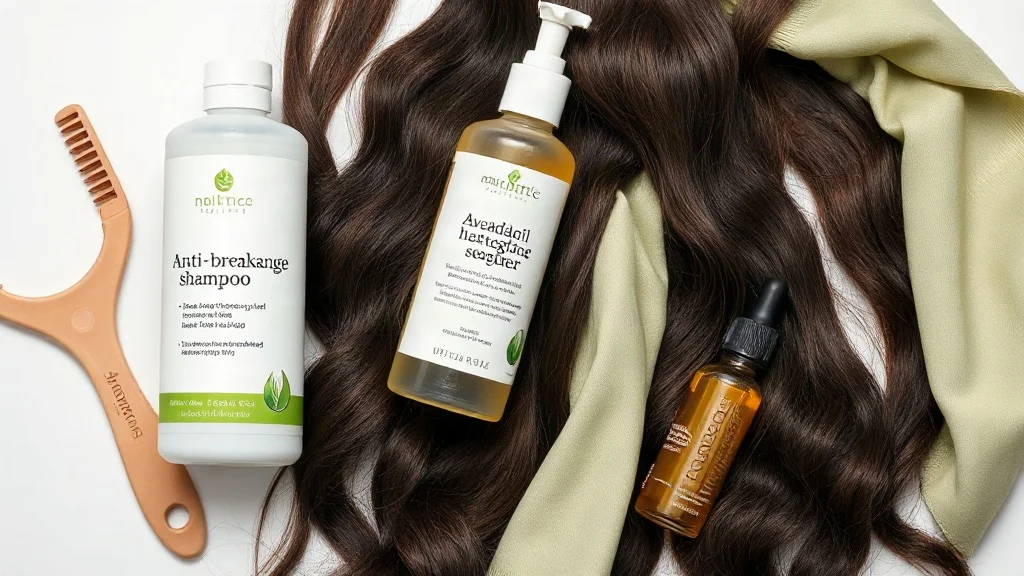
For those with coily hair—specifically types 4A, 4B, and 4C—wash day is often a paradox. While it is the primary occasion for hydration and cleansing, it is also the moment when the hair is most vulnerable to mechanical stress. Many people find that while they are trying to clean and moisturize their curls, they end up with clumps of hair in the drain and tiny, stubborn knots at the ends of their strands. This isn't just "shedding"; it is often a combination of breakage and the formation of single-strand knots.
Quick Verdict: Switching to a certified sulfate-free shampoo is the single most effective way to preserve hair hydration, protect artificial hair color, and extend salon keratin treatments. By eliminating aggressive anionic surfactants like SLS and SLES, gentle glucoside and isethionate cleansers remove daily sebum and buildup without stripping your scalp's vital protective lipid barrier.
The key to preventing coily hair breakage on wash day lies in understanding the intersection of hair anatomy and cosmetic chemistry. Coily hair possesses a unique geometry; the tighter the curl, the more torsion points exist along the hair shaft. These points are natural weak spots where the cuticle is more prone to lifting, making the hair susceptible to snagging and interlocking. When we combine this structure with the wrong cleansing agents or aggressive handling, we create a recipe for length loss.
What Causes Fairy Knots and Wash-Day Breakage?
If you have noticed tiny, bead-like knots at the ends of your hair that cannot be combed out, you are dealing with fairy knots in natural hair. Formally known as single-strand knots (SSKs), these occur when a hair strand curls back on itself and ties a literal knot. This is not a tangle between two different hairs, but a structural failure of a single fiber.
Several factors contribute to this phenomenon and the general breakage experienced during the washing process:
- Shrinkage: As coily hair absorbs water and then dries, it contracts. This shrinkage encourages the hair to loop and interlock, significantly increasing the likelihood of SSKs.
- Cuticle Friction: When the hair cuticle is raised—whether due to high porosity or the use of harsh sulfates—the strands act like Velcro, catching onto one another and tightening into knots.
- Circular Shampooing: Many people scrub their hair in circular motions on top of their head. For coily hair, this creates a "bird's nest" effect, twisting the fibers into complex tangles before the conditioning phase even begins.
- Dry Detangling: Attempting to remove knots from dry, lubricated-deprived coily hair causes the shaft to snap at its weakest torsion points.
- Rough Towel Friction: Standard terry cloth towels have loops that snag the hair cuticle, leading to frizz and mid-shaft breakage.
The Chemistry of Slip: Why Sulfate-Free Matters
From a cosmetic chemistry perspective, the goal of a wash day is to remove sebum and product buildup without stripping the internal lipids that keep the hair flexible. Traditional sulfates (like Sodium Lauryl Sulfate) are powerful detergents that can leave the hair cuticle "open" and rough, which increases friction and makes single strand knots prevention nearly impossible.
To reduce wash day shedding and breakage, you need a system that prioritizes sulfate-free slip for coily hair. "Slip" is the perceived lubricity of a product—the ability of the hair strands to slide past each other without snagging.
The Role of Surfactants and Conditioners
A high-performance sulfate-free cleanser utilizes mild anionics and amphoterics that cleanse the scalp while leaving a thin, protective film on the hair shaft. Once cleansed, the focus shifts to cationic conditioners. Because the hair shaft is negatively charged, cationic (positively charged) surfactants like Behentrimonium Methosulfate bind to the hair, neutralizing the charge and smoothing the cuticle.
The following table breaks down the essential chemistry required for a breakage-free routine:
| Component | Recommended Ingredients | Function in Coily Hair | What to Avoid |
|---|---|---|---|
| Mild Surfactants | Sodium Cocoyl Isethionate, Decyl Glucoside | Cleanses without lifting the cuticle or stripping lipids. | Sodium Lauryl Sulfate (SLS), Sodium Laureth Sulfate (SLES) |
| Slip Agents | Behentrimonium Methosulfate, Polyquaternium-10 | Provides the "glide" necessary to detangle without snapping. | Heavy waxes that cause buildup without lubricity. |
| Emollients | Shea Butter, Argan Oil, Avocado Oil | Seals the cuticle and reduces fiber-to-fiber friction. | Mineral oil (can be too heavy/non-penetrating for some). |
| Humectants | Glycerin, Aloe Vera, Panthenol | Draws moisture into the cortex to increase elasticity. | Excessive glycerin in high-humidity environments. |
The Definitive Step-by-Step Routine to Prevent Breakage
To effectively prevent coily hair breakage on wash day, you must move from a "scrubbing" mindset to a "smoothing" mindset. Follow this professional protocol to maintain length and minimize knots.
Step 1: The Lubricated Pre-Detangle
Never start your wash day with a dry comb. Apply a pre-poo treatment—such as a light oil or a dedicated pre-wash conditioner—to your hair. This adds a layer of lubrication that allows you to gently separate large tangles using your fingers before the hair is saturated with water, which can actually tighten some types of knots.
Step 2: Sectioning
Divide your hair into at least four to six sections. Use clips to keep them separate. Managing your hair in small sections prevents the "piling" effect and ensures that every strand is cleansed and conditioned without being tangled into neighboring sections.
Step 3: The Downward Cleanse
Apply your sulfate-free shampoo directly to the scalp. Use your fingertips to massage the scalp, but avoid scrubbing the lengths of your hair. Instead, allow the suds to rinse downward through the hair. This ensures the cuticle remains laid flat and prevents the circular twisting that leads to fairy knots.
Step 4: The Slip-Intensive Condition
Apply a generous amount of a conditioner rich in behentrimonium methosulfate or cetrimonium chloride. Work the product from the ends upward. While the conditioner is in your hair, detangle using a wide-tooth comb or a flexible detangling brush, starting from the tips and moving slowly toward the roots. The "slip" from the conditioner acts as a buffer, allowing knots to slide apart rather than snap.
Step 5: The Stretch and Rinse
If you are prone to extreme shrinkage, consider detangling your hair while it is stretched (using braids or twists) during the conditioning phase. Rinse with cool water to further help seal the cuticle, again focusing on a downward motion.
Step 6: Drying and Sealing
Avoid rubbing your hair with a standard towel. Instead, blot your hair with a microfiber towel or an old cotton T-shirt. Finally, apply a leave-in conditioner followed by an oil or butter (the LOC or LCO method) to seal in moisture and provide a protective barrier against future friction.
How Porosity Influences Your Knotting Pattern
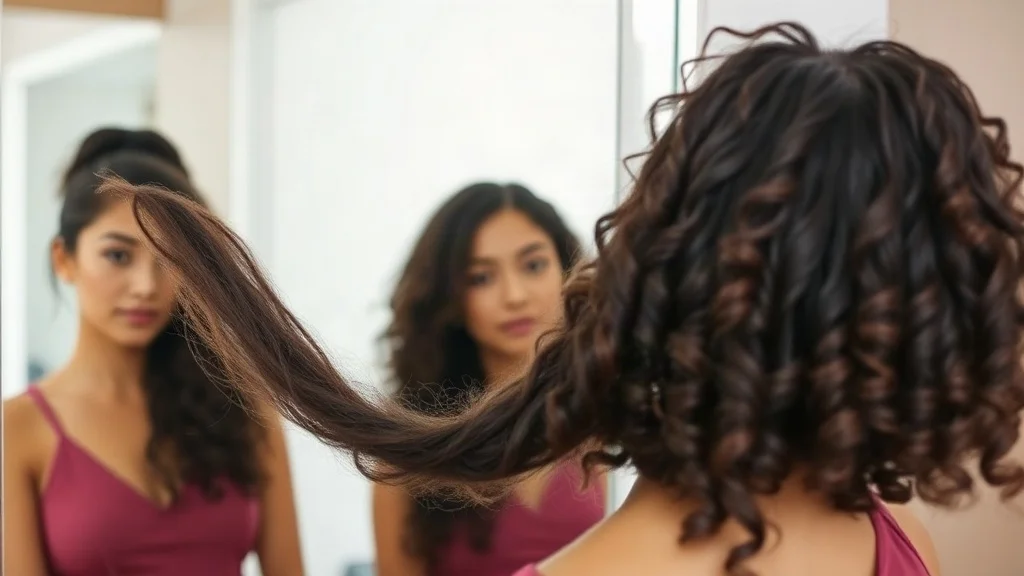
Not all coily hair behaves the same way. Your hair's porosity—the ability of the cuticle to absorb and retain moisture—plays a massive role in how easily you form knots.
High Porosity Hair
High porosity hair has gaps or holes in the cuticle. While it absorbs moisture quickly, it loses it just as fast. The "raised" nature of the cuticle makes these strands feel rougher, which significantly increases the chance of fairy knots in natural hair. For high porosity hair, prioritize protein-rich conditioners and heavier sealants like shea butter to "fill" the gaps in the cuticle and reduce friction.
Low Porosity Hair
Low porosity hair has a tightly closed cuticle, making it difficult for moisture to enter. When low porosity hair becomes dry, it becomes stiff and brittle, which leads to breakage during detangling. For these hair types, using heat (like a steamer) during the conditioning phase can help open the cuticle, allowing the slip agents to penetrate and lubricate the strand more effectively.
FAQs: Solving Common Wash-Day Dilemmas
Why does my natural hair shed so much on wash day?
It is important to distinguish between shedding and breakage. Every human sheds between 50 to 100 hairs a day. Because coily hair is curly and dense, shed hairs often get trapped in the curls rather than falling to the floor. On wash day, the combination of water and lubricant releases all the hair that has shed over the past week. However, if you see tiny fragments of hair or "white bulbs" are missing, you are experiencing breakage. Reducing friction and using sulfate-free products with high slip will minimize the breakage portion of this loss.
Are single-strand knots the same as split ends?
No, although they are related. A split end is when the hair shaft frays at the end. A single-strand knot is when the hair curls back and ties itself. However, split ends often act as "hooks" that make it easier for a strand to loop and knot. This is why regular trims (every 8–12 weeks) are a critical part of single strand knots prevention.
Should I detangle before or after shampooing?
The ideal approach is a two-stage process. A light, lubricated pre-detangle before the wash prevents the shampoo process from creating massive tangles. However, the deep detangling should always happen during the conditioning phase. This is when the hair has the maximum amount of slip and elasticity, which is the safest time to remove stubborn knots without causing breakage.
Is sulfate-free shampoo actually necessary for preventing knots?
While not every person with coily hair will experience knots with sulfates, they are generally detrimental to length retention. Sulfates strip the natural oils (sebum) that provide innate lubrication. Without these oils, the hair fiber becomes rougher and more prone to snagging. A sulfate-free system maintains a smoother cuticle, which is the first line of defense against the friction that causes fairy knots.
Featured Top-Rated Sulfate-Free Recommendations
Based on rigorous ingredient safety evaluations, trichologist testing, and verified buyer reviews, here are our top recommended choices for this hair category:

Aunt Jackie's Oh So Clean Shampoo: Coily Curl Revival
Salon-grade gentle cleansing formula designed to maintain optimal moisture balance, protect hair cuticles, and deliver touchable softness without harsh sulfates or parabens.

Luseta Coconut Oil Shampoo: Coily Curl Revival & Growth
Salon-grade gentle cleansing formula designed to maintain optimal moisture balance, protect hair cuticles, and deliver touchable softness without harsh sulfates or parabens.
Frequently Asked Questions
Is sulfate-free shampoo suitable for daily washing?
Yes. Because sulfate-free formulas utilize gentle, non-stripping surfactants, they can be used frequently without dehydrating the hair shaft or irritating the scalp barrier.
Ready to Transform Your Haircare Routine?
Discover our complete collection of top-rated, salon-tested sulfate-free shampoos and give your hair the gentle, restorative care it deserves today.