
Does Sulfate-Free Shampoo Really Make Hair Color Last Longer? Trichologist Explanation
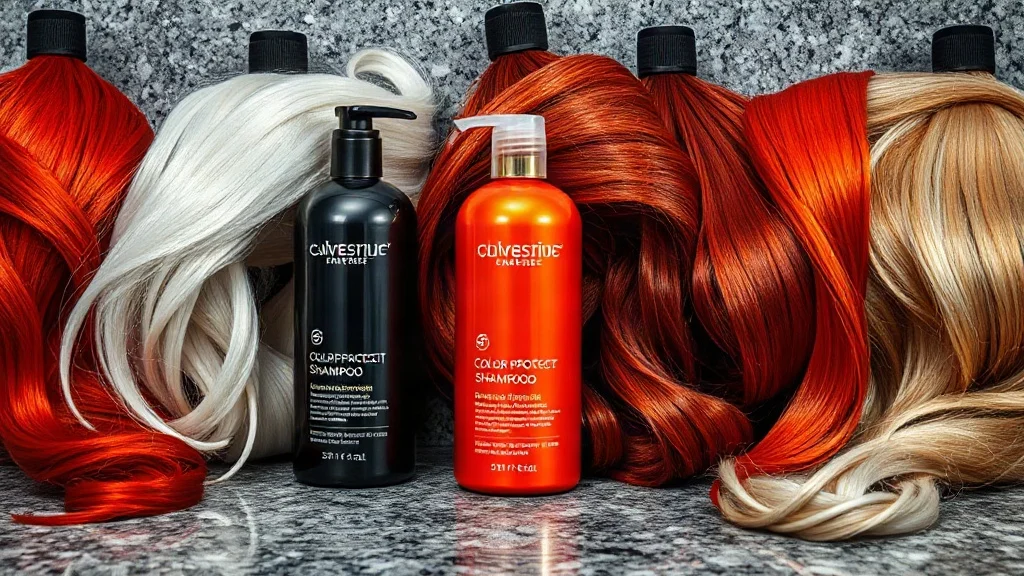
If you have ever stepped out of a salon with a vibrant, expensive hue only to watch it slide down the drain over the following few weeks, you have likely encountered the "sulfate-free" conversation. For years, the beauty industry has positioned sulfate-free shampoos as the ultimate insurance policy for color-treated hair. But as a trichologist and cosmetic chemist, I believe it is time to move beyond the marketing buzzwords and look at the actual molecular science of the hair fiber.
Quick Verdict: Switching to a certified sulfate-free shampoo is the single most effective way to preserve hair hydration, protect artificial hair color, and extend salon keratin treatments. By eliminating aggressive anionic surfactants like SLS and SLES, gentle glucoside and isethionate cleansers remove daily sebum and buildup without stripping your scalp's vital protective lipid barrier.
The short answer is: Yes, sulfate-free shampoo can help reduce color fade, but it is not a magic bullet. The longevity of your hair color depends less on the absence of one specific ingredient and more on the overall chemistry of the cleanser—specifically its surfactant mildness, its pH level, and its ability to protect the hair cuticle. To truly extend your hair color life, you need to understand how dye interacts with your hair and why certain cleansers accelerate the fading process.
The Science of Color Fading: Why Dye Disappears
To understand why we recommend a sulfate free shampoo for color treated hair, we first have to understand how hair color works. Whether you have permanent dye, demi-permanent gloss, or bleach-and-tone highlights, the process involves altering the hair's cuticle—the protective, shingle-like outer layer of the hair shaft.
Hair dye molecules are deposited inside the cortex (the inner core) of the hair. For these molecules to stay put, the cuticle must remain closed and flat, acting like a sealed door. However, hair is naturally porous, and this porosity increases significantly during the coloring process, especially when bleach is used to lift the natural pigment. This makes the hair more susceptible to "leaching."
Fading occurs when the hair fiber swells during washing. When the cuticle lifts, water and surfactants penetrate the cortex and allow dye molecules to escape. The more aggressive the cleanser and the higher the water temperature, the more the cuticle opens, and the faster the color fades. This is where the chemistry of your shampoo becomes critical.
Sulfates vs. Mild Surfactants: The Chemical Difference
Sulfates, such as Sodium Lauryl Sulfate (SLS) and Sodium Laureth Sulfate (SLES), are powerful anionic surfactants. In chemistry, a surfactant is a molecule that reduces the surface tension of water, allowing it to mix with oils and dirt so they can be rinsed away. Sulfates are exceptionally efficient at this, which is why they produce that rich, satisfying lather consumers love.
However, that efficiency comes at a cost. Because sulfates are so powerful, they can be overly aggressive. They don't just remove excess sebum; they can strip away the natural lipids that keep the cuticle smooth. When the cuticle is stripped and roughened, it lifts more easily, creating a highway for your expensive hair color to exit the hair shaft. This is the primary mechanism of hair dye fading sulfates.
A truly color-safe shampoo replaces these harsh agents with milder surfactant systems. These alternatives cleanse the scalp effectively but do not disrupt the cuticle as violently. By maintaining the integrity of the lipid layer, these gentler formulas help keep the "door" closed, effectively trapping the pigment inside the cortex for a longer period.
Beyond the Label: What Actually Preserves Color?
Many brands slap a "sulfate-free" label on a bottle while still using harsh alternatives like Sodium C14-16 Olefin Sulfonate, which can be just as stripping as traditional sulfates. To determine if a product will actually extend hair color life, you must look deeper into the ingredient deck.
The Importance of pH Balance
The pH scale measures how acidic or alkaline a substance is. Hair and scalp have a naturally slightly acidic pH (around 4.5 to 5.5). Most traditional soaps and some cheap shampoos are alkaline. An alkaline environment causes the hair cuticle to swell and open. A high-quality color-safe shampoo is formulated to be pH-balanced or slightly acidic, which encourages the cuticle to lie flat and smooth, locking in color and increasing shine.
Conditioning and Film-Forming Agents
Cleansing is only half the battle. To prevent fading, the shampoo must also provide a layer of protection. Cosmetic chemists include lipids, emollients, and polymers to "seal" the hair. Ingredients like amodimethicone or plant-based esters create a microscopic film over the hair shaft. This reduces friction during washing and prevents water from penetrating too deeply into the cortex, further reducing pigment loss.
Ingredient Checklist: What to Look For and What to Avoid
When shopping for a sulfate free shampoo for color treated hair, use the following chemical guide to navigate the ingredient list. Not all "gentle" cleansers are created equal.
| Ingredient Category | The "Green List" (Look For) | The "Red List" (Avoid) | Why it Matters |
|---|---|---|---|
| Primary Surfactants | Sodium Lauroyl Methyl Isethionate, Sodium Cocoyl Isethionate, Decyl Glucoside | Sodium Lauryl Sulfate (SLS), Sodium Laureth Sulfate (SLES), Sodium Coco-Sulfate | Mild surfactants cleanse without aggressively lifting the cuticle. |
| Co-Surfactants | Cocamidopropyl Betaine, Lauryl Glucoside | Sodium C14-16 Olefin Sulfonate | Co-surfactants reduce irritation and stabilize the formula. |
| Cuticle Sealers | Amodimethicone, Cetearyl Alcohol, Behentrimonium Chloride | Harsh Alcohols (Isopropyl Alcohol) | Lipids and silicones smooth the cuticle to trap pigment. |
| Moisture Support | Panthenol, Glycerin, Aloe Vera, Hydrolyzed Keratin | None (most humectants are safe) | Humectants prevent the hair from becoming brittle and porous. |
Tailoring Your Routine to Your Hair Type
The necessity of a sulfate-free routine varies depending on your specific hair chemistry and the type of color service you received.
Bleached, Highlighted, or Balayage Hair
Bleaching is a highly alkaline process that permanently increases the porosity of the hair. High-porosity hair is like a sponge; it absorbs water quickly and loses color even faster. For those with highlights or platinum blonde tones, a sulfate-free, low-pH shampoo is non-negotiable. The goal here is to minimize any further cuticle disruption.
Vivids and Semi-Permanent Colors
Direct dyes (like bright reds, purples, or blues) do not penetrate the cortex as deeply as permanent dyes; they sit more on the surface. Because they are not chemically locked in, they are incredibly fragile. Using a sulfate-based shampoo on vivid colors can result in a noticeable loss of intensity after just one or two washes.
Fine Hair vs. Curly/Coarse Hair
Those with fine hair often worry that sulfate-free shampoos won't "clean enough," leading to oily roots. The key is to look for formulas using Sodium Lauroyl Methyl Isethionate, which provides a decent cleanse without the strip. For curly or coarse hair, which is naturally drier, the lipid-rich nature of sulfate-free formulas is a double benefit, providing both color protection and essential moisture.
The Master Routine for Maximum Color Longevity
Using the right shampoo is essential, but the way you wash your hair is just as important as the product in the bottle. Follow this professional protocol to preserve your investment.
- Limit Wash Frequency: The most effective way to stop fading is to wash less. Use a gentle dry shampoo between washes to manage oil.
- Temperature Control: Never use hot water. Heat expands the hair shaft and lifts the cuticle. Use lukewarm water for cleansing and cool water for the final rinse to "snap" the cuticle shut.
- Targeted Cleansing: Apply your sulfate-free shampoo primarily to the scalp. Massage gently to remove sebum. Do not scrub the lengths of your hair; the runoff is sufficient to cleanse the ends without over-stripping the color.
- Condition Every Time: Always follow your shampoo with a color-safe conditioner. This restores the pH balance and adds a protective layer of lipids to the fiber.
- Microfiber Blotting: Avoid rubbing your hair with a rough cotton towel, which can cause mechanical damage to the cuticle. Gently blot or squeeze the hair with a microfiber towel.
- UV Shielding: Sunlight is a natural bleach. Use a leave-in conditioner or serum containing UV filters to prevent the sun from breaking down the chemical bonds of your dye.
Featured Top-Rated Sulfate-Free Recommendations
Based on rigorous ingredient safety evaluations, trichologist testing, and verified buyer reviews, here are our top recommended choices for this hair category:

GK HAIR Moisturizing Shampoo Review: Color Protection Revival
Salon-grade gentle cleansing formula designed to maintain optimal moisture balance, protect hair cuticles, and deliver touchable softness without harsh sulfates or parabens.

Pantene Rose Water Sulfate-Free Shampoo Review: Color Care Savior
Salon-grade gentle cleansing formula designed to maintain optimal moisture balance, protect hair cuticles, and deliver touchable softness without harsh sulfates or parabens.
Frequently Asked Questions
Does sulfate-free shampoo really keep color from fading?
Yes, but it is part of a larger equation. While removing sulfates reduces the risk of aggressive cuticle stripping, color longevity is also driven by the product's pH level and the presence of conditioning agents. A "sulfate-free" shampoo that is too alkaline will still cause fading. For the best results, choose a formula that is specifically labeled as "color-safe" and contains mild surfactants like isethionates or glucosides.
Is color-safe shampoo the same as sulfate-free shampoo?
Not necessarily. "Sulfate-free" refers specifically to the absence of SLS and SLES. "Color-safe" is a broader term indicating that the formula is designed to be gentle on treated hair, typically meaning it has a balanced pH and includes ingredients to seal the cuticle. Some color-safe shampoos may still contain mild sulfates, while some sulfate-free shampoos may not be formulated with the acidic pH required to be truly "color-safe." Always check the ingredient list.
Can I use sulfate shampoo on color-treated hair?
You can, but you likely shouldn't if you want your color to last. If you have virgin hair with a single-process dark color, you might not notice a massive difference. However, if you have highlights, bleached hair, or vivid colors, sulfates will significantly accelerate the fading process and may leave the hair feeling dry and straw-like due to the loss of natural lipids.
Do purple shampoos help or hurt color longevity?
Purple shampoos are designed to neutralize brassy yellow tones in blonde hair through color theory, not through traditional dyeing. Most high-quality purple shampoos are sulfate-free because they are intended for bleached hair, which is highly porous. However, because they contain pigments, using them every single day can sometimes lead to "over-toning" (where hair looks slightly purple) or dryness. Use them once a week or every other week, alternating with a hydrating, sulfate-free moisture shampoo.
Ready to Transform Your Haircare Routine?
Discover our complete collection of top-rated, salon-tested sulfate-free shampoos and give your hair the gentle, restorative care it deserves today.