
How to Soften Wire-Like, Brittle Hair Strands with Gentle Lipid Cleansers
Why Coarse Hair Feels Wire-Like and Brittle
To treat the problem, we must first understand the pathology of the coarse hair strand. Coarse hair is characterized by a wider diameter than fine or medium hair. While this often means the hair is stronger and more resilient to breakage, it also means there is more surface area for the cuticle (the outermost layer of the hair) to become lifted or damaged.
Quick Verdict: Switching to a certified sulfate-free shampoo is the single most effective way to preserve hair hydration, protect artificial hair color, and extend salon keratin treatments. By eliminating aggressive anionic surfactants like SLS and SLES, gentle glucoside and isethionate cleansers remove daily sebum and buildup without stripping your scalp's vital protective lipid barrier.
When the cuticle scales are raised—due to genetics, environmental stress, or harsh chemical processing—the hair loses its ability to retain moisture and increases friction. This friction is what we perceive as "stiffness." When you rub a coarse strand between your fingers, that "sandpaper" feel is actually the physical sensation of overlapping cuticle scales that are not lying flat. When these strands are stripped of their natural sebum by aggressive surfactants, they become brittle, losing the flexibility required to bend without snapping or frizzing.
Furthermore, coarse hair is often more prone to dryness because the natural oils produced by the scalp have a harder time traveling down the wider, more textured shaft. This leads to a chronic state of dehydration, making the hair feel like wire rather than silk.
The Chemistry of Softening: Beyond Traditional Moisture
Most consumers reach for a heavy conditioner to fix stiffness, but the battle for softness is actually won or lost during the cleansing phase. If you use a harsh detergent to wash your hair, you are stripping away the very lipids required to keep the cuticle sealed, meaning no amount of conditioner can fully compensate for the damage.
The Role of Lipid Cleansers
A "lipid cleanser" is a formulation designed to remove excess oil and debris without stripping the essential fatty acids and ceramides from the hair shaft. In the world of cosmetic chemistry, this means moving away from aggressive sulfates (like Sodium Lauryl Sulfate) and toward a low-strip surfactant architecture.
When searching for a brittle coarse hair shampoo, look for primary surfactants such as Sodium Cocoyl Isethionate or Sodium Methyl Cocoyl Taurate. These molecules are larger and gentler; they cleanse the scalp effectively but do not penetrate the cuticle deeply enough to leach out the internal moisture. By maintaining the integrity of the hair's natural lipid barrier, the hair remains more flexible and less "stiff."
The Power of Fatty Alcohols
There is a common misconception that all alcohols are drying. In reality, fatty alcohol sulfate free shampoo and conditioner formulations utilize "fatty alcohols" like Cetyl, Cetearyl, and Behenyl alcohol. These are not solvents; they are emollients. They act as lubricants that fill the gaps between lifted cuticle scales, providing the "slip" that allows coarse hair to feel soft and manageable.
Ingredient Spotlight: What to Look For (and Avoid)
To achieve a professional wiry hair treatment at home, you must become a label reader. Not all "hydrating" products are created equal. The following table breaks down the chemistry of ingredients that specifically target the needs of coarse, brittle strands.
| Ingredient Category | Preferred Ingredients (The "Softeners") | Avoid/Limit (The "Stiffeners") | Chemical Function |
|---|---|---|---|
| Surfactants | Sodium Cocoyl Isethionate, Cocamidopropyl Betaine, Sodium Lauroyl Sarcosinate | Sodium Lauryl Sulfate (SLS), Sodium Laureth Sulfate (SLES) | Gentle cleansing vs. aggressive stripping of natural lipids. |
| Emollients | Argan Oil, Squalane, Meadowfoam Seed Oil, Cetearyl Alcohol | High concentrations of denatured alcohol (Alcohol Denat) | Smooths the cuticle and reduces inter-strand friction. |
| Humectants | Glycerin, Panthenol, Sodium PCA, Betaine | Over-reliance on heavy waxes without humectants | Draws water into the cortex to increase flexibility. |
| Conditioning Polymers | Polyquaternium-10, Guar Hydroxypropyltrimonium Chloride | Heavy, non-water-soluble silicones (in excess) | Creates a cationic film that flattens the cuticle. |
The Definitive Wash Routine for Softening Stiff Hair
The method of application is just as important as the ingredients. For coarse hair, the goal is to maximize hydration while minimizing mechanical friction.
- The Lukewarm Soak: Begin by thoroughly wetting your hair with lukewarm water. Avoid hot water, as it forces the cuticle open further, increasing moisture loss and making the hair feel more wiry.
- Targeted Cleansing: Apply your sulfate-free, lipid-rich shampoo specifically to the scalp. Use the pads of your fingers to massage the skin. Do not scrub the lengths of your hair; the suds that rinse down from the scalp are sufficient to cleanse the ends without over-stripping them.
- The "Glide" Condition: Apply a rich conditioner containing fatty alcohols from the mid-lengths to the ends. Ensure the product is evenly distributed.
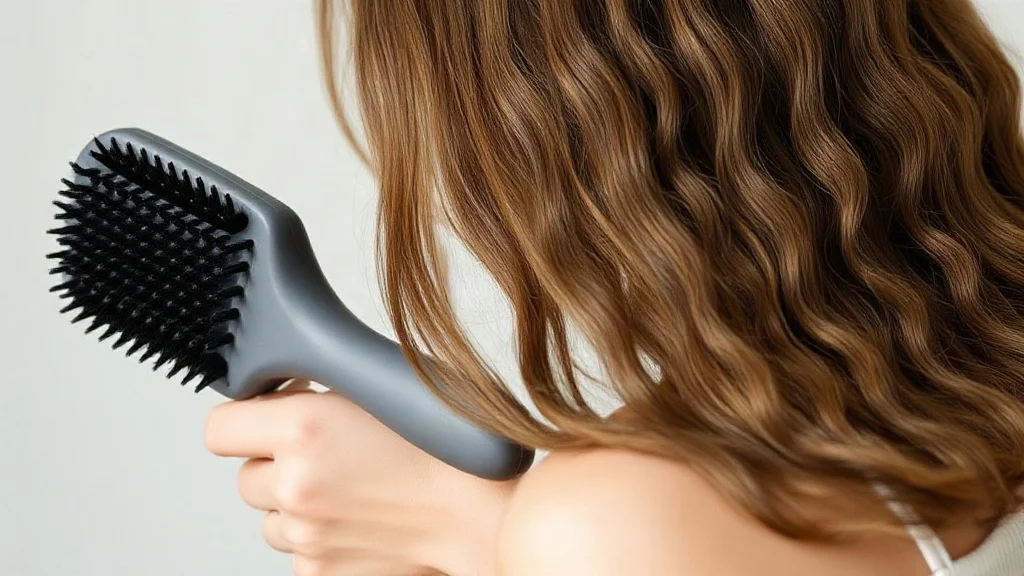
- Wet Detangling: While the conditioner is still in your hair, use a wide-tooth comb or a wet-brush to detangle. The conditioner provides the necessary slip to prevent the brittle strands from snapping.
- The Cool Rinse: Rinse with the coolest water you can tolerate. This helps "close" the cuticle scales, locking in the conditioning agents and leaving the surface smoother to the touch.
- Seal and Protect: While hair is still damp, apply a lightweight leave-in conditioner or a pure oil (like jojoba or argan). This acts as an occlusive layer, preventing water from evaporating and maintaining softness throughout the day.
Addressing Porosity in Coarse Hair
Not all coarse hair is the same. Your approach should vary based on your hair's porosity—how easily it absorbs and retains moisture.
High Porosity Coarse Hair
If your hair feels rough and absorbs water instantly but dries just as quickly, you likely have high porosity. This is common in bleached or heat-damaged hair. Your focus should be on filling the gaps. Use heavier lipid-rich masks and proteins (like hydrolyzed keratin) to plug the holes in the cuticle, followed by a sealing oil to lock everything in.
Low Porosity Coarse Hair
If water beads up on your hair and products seem to sit on the surface, you have low porosity. Your hair is "stiff" because moisture cannot get inside. In this case, avoid overly heavy butters that can cause buildup. Instead, use lightweight humectants and apply your conditioner with a bit of gentle heat (like a warm towel) to help the ingredients penetrate the shaft.
Featured Top-Rated Sulfate-Free Recommendations
Based on rigorous ingredient safety evaluations, trichologist testing, and verified buyer reviews, here are our top recommended choices for this hair category:
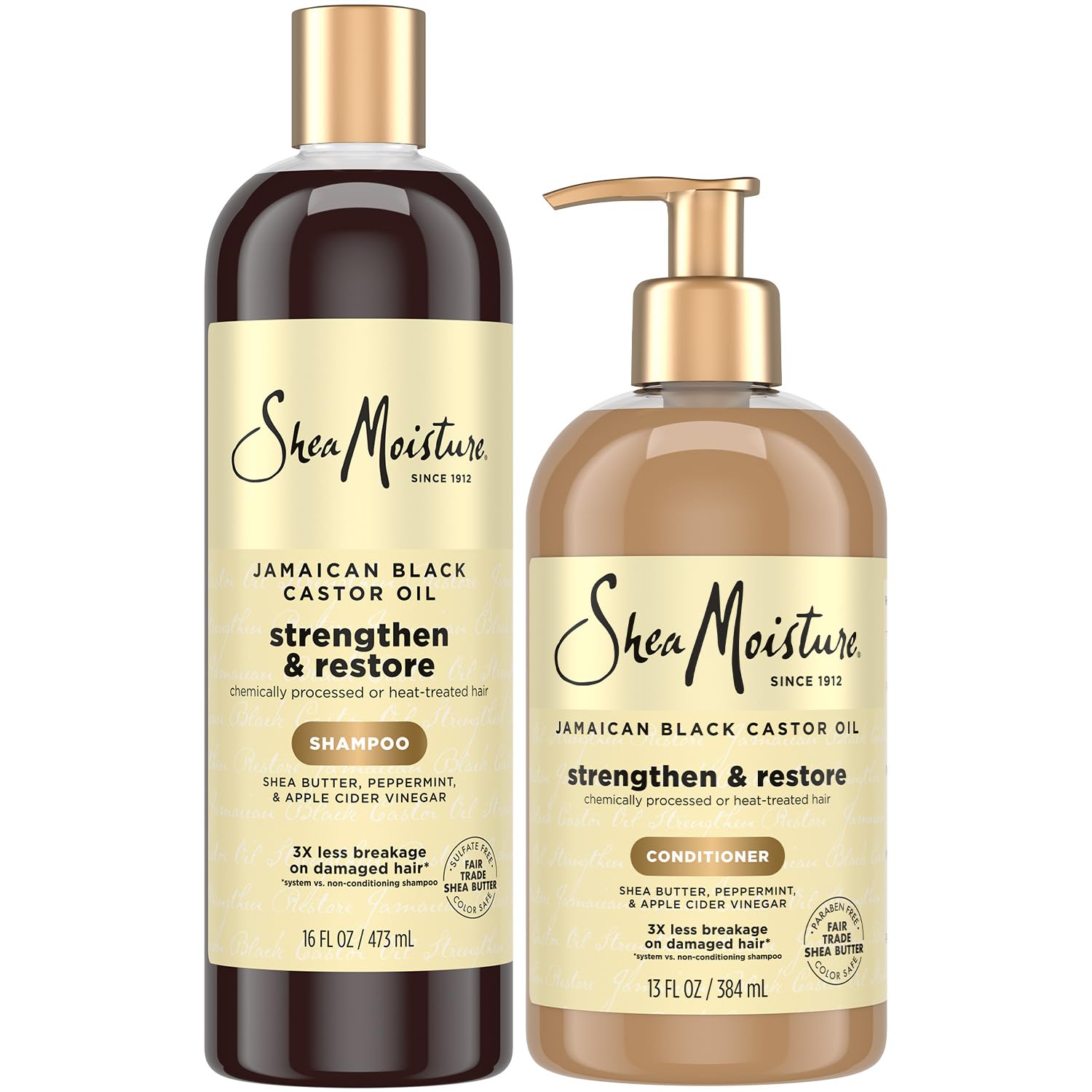
Shea Moisture Jamaican Black Castor Oil Shampoo Review
Salon-grade gentle cleansing formula designed to maintain optimal moisture balance, protect hair cuticles, and deliver touchable softness without harsh sulfates or parabens.

L'Oreal EverPure Sulfate-Free Shampoo: Curly Hair Revival
Salon-grade gentle cleansing formula designed to maintain optimal moisture balance, protect hair cuticles, and deliver touchable softness without harsh sulfates or parabens.
Frequently Asked Questions
How do I soften coarse hair without making it feel greasy?
The key is the strategic application of products. Use lipid-rich cleansers and conditioners on the lengths, but keep the scalp area clear of heavy oils. Focus your leave-in products and oils only from the mid-shaft down. Additionally, ensure you are using a sulfate-free shampoo that effectively cleanses the scalp while leaving the lipids on the hair shaft intact; this prevents the "weighed down" feeling associated with poor-quality moisturizing products.
Are sulfate-free shampoos actually better for coarse, wiry hair?
Yes, absolutely. Sulfates are powerful anionic surfactants that can be too aggressive for coarse hair. Because coarse hair is already prone to dryness and a lifted cuticle, sulfates can strip away the remaining surface lipids, leaving the hair feeling more like "straw" or "wire." Sulfate-free alternatives, particularly those utilizing isethionates or taurates, cleanse without disrupting the delicate lipid balance of the hair.
How often should I wash coarse, dry hair?
Generally, coarse hair benefits from less frequent washing. Washing every day can strip the natural sebum that is desperately needed to soften the wide hair shaft. Aim for 2 to 3 times per week. On off-days, you can use a conditioner-only wash (co-washing) if your scalp is not overly oily, which provides hydration without the stripping effect of any surfactant.
What ingredients soften stiff hair the fastest?
For immediate tactile softness, look for cationic conditioning agents (like Polyquaterniums) and fatty alcohols (like Cetearyl Alcohol). These provide instant "slip" and reduce friction. For long-term softness, humectants like Panthenol and Glycerin combined with plant-based lipids (like Argan or Meadowfoam oil) work to restore the hair's internal elasticity and external smoothness.
Summary: The Path to Manageable Strands
Softening coarse hair is not about fighting your natural texture, but about optimizing it. By switching to a fatty alcohol sulfate free shampoo and embracing a lipid-focused cleansing routine, you address the root cause of stiffness: the lifted cuticle and the lack of surface lubrication.
Remember that consistency is key. While a deep conditioning mask can provide a temporary fix, the cumulative effect of gentle cleansing and lipid replacement is what truly transforms wiry, brittle strands into soft, flowing hair. Prioritize pH-balanced products (around 4.5 to 5.5), avoid excessive heat, and always seal your moisture with a high-quality emollient to maintain that salon-style softness at home.
Ready to Transform Your Haircare Routine?
Discover our complete collection of top-rated, salon-tested sulfate-free shampoos and give your hair the gentle, restorative care it deserves today.