
Hydrating Shampoo vs Moisturizing Shampoo: What Coarse Hair Actually Needs
If you have coarse hair, you know the struggle is not just about thickness, but texture. Coarse hair is characterized by a larger diameter of the individual hair shaft, which often makes the hair feel rough, stiff, or prone to frizz. When browsing the beauty aisle, you are likely faced with a confusing dichotomy: should you reach for a hydrating shampoo or a moisturizing shampoo?
Quick Verdict: Switching to a certified sulfate-free shampoo is the single most effective way to preserve hair hydration, protect artificial hair color, and extend salon keratin treatments. By eliminating aggressive anionic surfactants like SLS and SLES, gentle glucoside and isethionate cleansers remove daily sebum and buildup without stripping your scalp's vital protective lipid barrier.
To the untrained eye, these terms seem interchangeable. However, from the perspective of a cosmetic chemist and trichologist, hydration and moisture represent two entirely different biological and chemical functions. Understanding the difference between hydration vs moisture hair needs is the secret to transforming wiry, unmanageable strands into a smooth, supple mane.
For coarse hair, the answer is rarely one or the other. Because of the unique architecture of the coarse fiber, the most effective approach is a synergistic combination of both. In this definitive guide, we will break down the chemistry of humectants and emollients, explain why sulfate-free formulas are non-negotiable for this hair type, and provide a blueprint for the ultimate coarse-hair wash routine.
The Chemistry of Care: Hydrating vs Moisturizing Shampoo
Before deciding which product is best for your routine, we must define the scientific mechanisms at play. In the world of cosmetic chemistry, hydration is about water, while moisturizing is about oil and lipids.
What is a Hydrating Shampoo?
Hydration refers to the process of adding water to the hair shaft. A hydrating shampoo focuses on humectants—ingredients that act like magnets, attracting water molecules from the air or the scalp and binding them to the hair fiber. When coarse hair is dehydrated, it loses pliability, making it feel brittle and "stiff."
Common humectants found in hydrating formulas include glycerin, hyaluronic acid, aloe vera, and panthenol. These ingredients penetrate the cuticle or sit on the surface to ensure the inner cortex of the hair remains plump and flexible.
What is a Moisturizing Shampoo?
Moisturizing, on the other hand, is about sealing that water in and smoothing the outer layer of the hair. Moisturizing shampoos rely on emollients and occlusives—lipids, oils, and butters that mimic the hair's natural sebum. Because coarse hair often has a more open or roughened cuticle, water escapes easily (trans-epidermal water loss, but for hair).
Moisturizing agents, such as shea butter, coconut oil, and ceramides, fill the gaps between the cuticle scales. This reduces friction, eliminates frizz, and creates a protective barrier that prevents the hydration from evaporating.
Why Coarse Hair Needs Both: The "Lock and Key" Effect
If you use a purely hydrating shampoo on coarse hair, you may find that your hair feels soft for an hour, only to become frizzy and dry again shortly after. This is because you have added water (hydration) but provided no "seal" (moisture) to keep it there.
Conversely, if you use a heavy moisturizing shampoo without hydrating ingredients, you may be sealing a dry hair shaft. This can lead to a "waxy" feel or hair that looks shiny but feels stiff and lacks bounce. For the best shampoo for dry coarse hair, you need a formula that balances humectants vs emollients shampoo chemistry. You need the humectants to pull water into the coarse fiber and the emollients to lock it in and smooth the cuticle.
Ingredient Breakdown: What to Look For (and Avoid)
When analyzing an ingredient list (INCI), the order of ingredients tells you the concentration. For coarse hair, you want to see a blend of water-binding agents and lipid-rich butters. The following table outlines the primary components that drive results for coarse textures.
| Ingredient Category | Primary Function | Top Ingredients for Coarse Hair | Result on Hair Fiber |
|---|---|---|---|
| Humectants (Hydration) | Attracts and binds water | Glycerin, Hyaluronic Acid, Aloe Vera, Panthenol | Increased pliability, reduced brittleness |
| Emollients (Moisture) | Softens and smooths | Shea Butter, Argan Oil, Jojoba Oil, Coconut Oil | Reduced frizz, increased shine, softness |
| Barrier Repair (Sealing) | Fills cuticle gaps | Ceramides, Cupuaçu Butter, Hydrolyzed Proteins | Stronger cuticle, moisture retention |
| Gentle Surfactants | Cleanses without stripping | Decyl Glucoside, Sodium Cocoyl Isethionate | Maintains natural lipid layer |
The Danger of Sulfates in Coarse Hair
As a senior beauty copywriter and chemist, I cannot overstate the importance of sulfate-free formulas for coarse hair. Sulfates (like Sodium Lauryl Sulfate) are aggressive detergents. While they are excellent at removing oil, they are too efficient for coarse hair. They strip away the limited surface lipids that coarse hair relies on to stay smooth.
When you strip these lipids, the cuticle lifts. A lifted cuticle on a coarse strand creates massive friction, leading to those dreaded tangles and a rough, "sandpaper" texture. Switching to a sulfate-free system ensures you are cleansing the scalp without compromising the integrity of the hair fiber.

Understanding Porosity: The Final Piece of the Puzzle
Not all coarse hair is the same. Your hair's porosity—how easily it absorbs and retains moisture—determines whether you should lean more toward hydration or moisture.
Low Porosity Coarse Hair
Low porosity hair has a tightly closed cuticle. Water has a hard time getting in, but once it's in, it stays. If you use heavy butters (like raw shea butter) on low-porosity hair, the product will simply sit on top, making the hair feel greasy and weighed down. Focus on: Lightweight humectants, warm water to open the cuticle, and avoid overly heavy oils.
High Porosity Coarse Hair
High porosity hair has gaps or holes in the cuticle (often from heat damage or chemical processing). It absorbs water quickly, but it loses it just as fast. This hair feels chronically dry. Focus on: Heavy-duty emollients, ceramides, and lipid-rich moisturizing shampoos to "plug" the holes in the cuticle and lock in hydration.
The Ultimate Wash Routine for Coarse, Dry Hair
The way you wash your hair is just as important as the products you use. Coarse hair is more prone to mechanical damage and tangling during the wash process.
- Saturation: Thoroughly soak your hair with lukewarm water. This ensures the sulfate-free shampoo can spread easily without you having to scrub aggressively.
- Targeted Cleansing: Apply your moisturizing, sulfate-free shampoo primarily to the scalp. Massage the roots with your fingertips to remove buildup. Avoid scrubbing the lengths of your hair; as you rinse, the suds will gently cleanse the ends without stripping them.
- Temperature Control: Rinse with lukewarm water. If your hair is high-porosity, a final rinse with cool water can help lay the cuticle flat, enhancing shine.
- Conditioning Layering: Use a rich conditioner or deep mask. Apply from the mid-shaft down to the ends. For coarse hair, leave the conditioner on for at least 3 to 5 minutes to allow the emollients to penetrate.
- The Sealant Step: After towel-drying (gently patting, never rubbing), apply a leave-in conditioner or a light hair oil (like argan or jojoba). This provides a final occlusive layer to ensure the hydration from your shampoo and conditioner doesn't evaporate.
Summary: Water vs Oil for Coarse Hair
To simplify the water vs oil coarse hair debate: Water (hydration) provides the internal flexibility and health of the strand, while oil (moisture) provides the external smoothness and protection. Coarse hair is naturally predisposed to dryness because its thickness can make it harder for sebum from the scalp to travel down the shaft.
Therefore, the "Holy Grail" for coarse hair is a formula that offers deep moisture + frizz control + gentle cleansing. Look for a shampoo that lists glycerin or hyaluronic acid in the first five ingredients for hydration, and shea butter or plant oils further down for moisture retention.
Featured Top-Rated Sulfate-Free Recommendations
Based on rigorous ingredient safety evaluations, trichologist testing, and verified buyer reviews, here are our top recommended choices for this hair category:
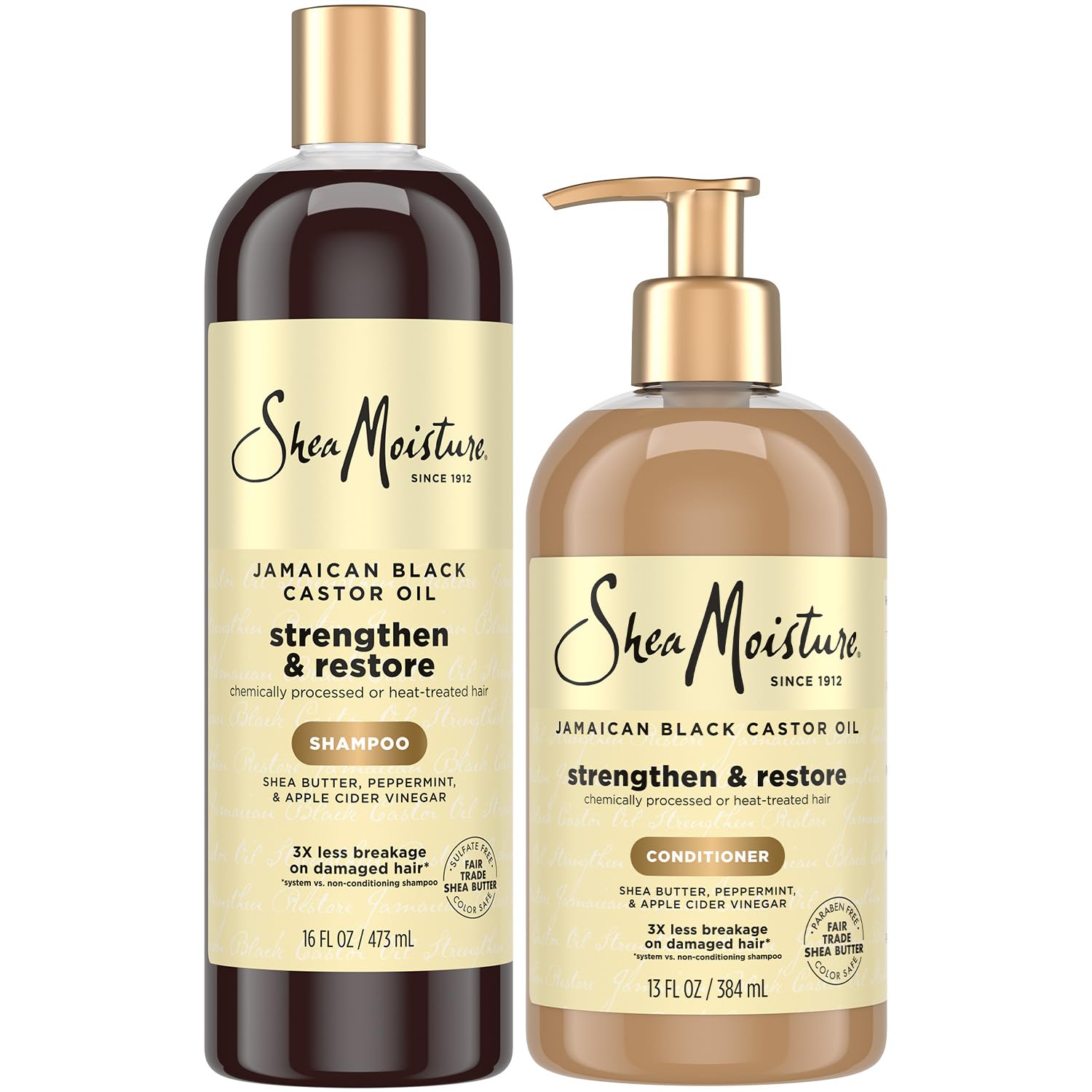
Shea Moisture Jamaican Black Castor Oil Shampoo Review
Salon-grade gentle cleansing formula designed to maintain optimal moisture balance, protect hair cuticles, and deliver touchable softness without harsh sulfates or parabens.

L'Oreal EverPure Sulfate-Free Shampoo: Curly Hair Revival
Salon-grade gentle cleansing formula designed to maintain optimal moisture balance, protect hair cuticles, and deliver touchable softness without harsh sulfates or parabens.
Frequently Asked Questions
Is hydrating shampoo better than moisturizing shampoo for coarse hair?
Neither is "better" in isolation; they serve different purposes. Hydrating shampoos add water to the hair for pliability, while moisturizing shampoos use lipids to soften the hair and prevent that water from escaping. Because coarse hair is prone to both dehydration and surface roughness, a product that combines both—or a routine that uses a hydrating shampoo followed by a moisturizing conditioner—is the most effective strategy.
Should coarse hair always be sulfate-free?
Yes, in the vast majority of cases. Sulfates are harsh surfactants that strip the natural oils from the hair. Since coarse hair already struggles with dryness and cuticle roughness, using sulfates can exacerbate frizz and make the hair feel wiry. Sulfate-free alternatives cleanse the scalp effectively while leaving the essential lipid barrier intact.
Can coarse hair use protein shampoos?
Yes, but with caution. Proteins (like hydrolyzed keratin or wheat protein) help fill in gaps in the hair shaft, which can improve strength and manageability. However, too much protein without enough moisture can make coarse hair feel stiff or "crunchy." If you use a protein-based shampoo, always follow it with a deeply moisturizing conditioner to maintain the balance between strength and softness.
What is the best ingredient trio for frizz control in coarse hair?
The most potent commercial combination for coarse hair is Hyaluronic Acid, Shea Butter, and Panthenol. Hyaluronic acid provides intense hydration, Shea butter provides the heavy-duty emollient seal to stop frizz, and Panthenol (Pro-vitamin B5) improves the hair's elasticity and surface smoothness. Together, they address the three main needs of coarse hair: water-binding, lipid-sealing, and cuticle-smoothing.
Ready to Transform Your Haircare Routine?
Discover our complete collection of top-rated, salon-tested sulfate-free shampoos and give your hair the gentle, restorative care it deserves today.