
Why Sulfates Ruin Keratin Treatments: The Chemical Reaction You Must Avoid
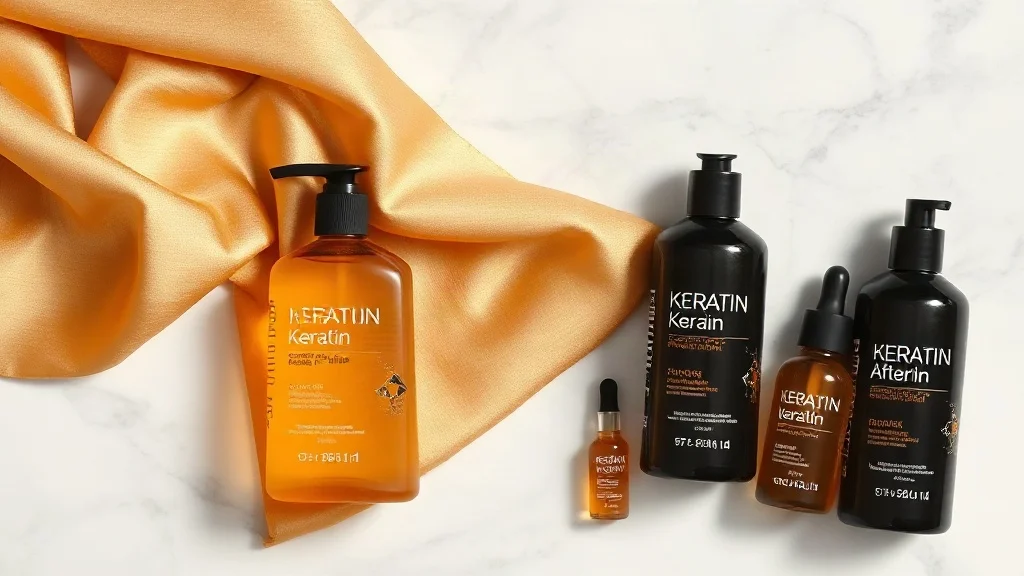
You spent hours in the salon chair and a significant investment of money to achieve that mirror-like shine and effortless smoothness. But the moment you step into your shower at home, you face a critical choice: the shampoo you choose will either preserve that investment or systematically dismantle it.
Quick Verdict: Switching to a certified sulfate-free shampoo is the single most effective way to preserve hair hydration, protect artificial hair color, and extend salon keratin treatments. By eliminating aggressive anionic surfactants like SLS and SLES, gentle glucoside and isethionate cleansers remove daily sebum and buildup without stripping your scalp's vital protective lipid barrier.
For most people, the advice is simple: "Use a sulfate-free shampoo." However, as a cosmetic chemist and trichologist, I can tell you that sulfate-free is not enough. To truly protect a keratin treatment, you need a precise chemical profile that avoids not only sulfates but also specific salts and pH imbalances that can strip the smoothing coating from your hair fiber. If you want to maintain smooth hair treatment results for months rather than weeks, you need to understand the molecular battle happening on your hair cuticle.
The Chemistry of Destruction: How Sulfates Strip Keratin
To understand why sulfates are the enemy of keratin, we first have to understand what a keratin treatment actually is. During a professional treatment, a keratin-based formula is sealed into the hair cuticle using high heat. This creates a hydrophobic (water-repelling) barrier that smooths the cuticle, eliminates frizz, and reflects light.
Sulfates—specifically Sodium Lauryl Sulfate (SLS) and Sodium Laureth Sulfate (SLES)—are powerful anionic surfactants. In chemistry, a surfactant is a molecule that reduces the surface tension of water, allowing it to mix with oils and dirt so they can be washed away. The problem is that sulfates are too efficient. They are aggressive detergents that do not differentiate between "dirt" and the "keratin coating" protecting your hair.
When you use a sulfate-based cleanser, the surfactants penetrate the hair shaft and aggressively lift the cuticle. This process does two things: it physically scrubs away the smoothing layer and increases the porosity of the hair. Once the cuticle is lifted, the keratin treatment evaporates from the strand, leaving your hair prone to frizz and losing that signature "slip" that makes keratin treatments so desirable.
The Hidden Enemy: Sodium Chloride
Here is the industry secret that most "sulfate-free" labels won't tell you: Sodium Chloride (table salt) is just as dangerous as sulfates for keratin-treated hair.
Many manufacturers remove sulfates to market their products as "gentle," but they replace them with sodium chloride to thicken the formula and create a luxurious feel. Chemically, sodium chloride acts as an osmotic agent. It can draw moisture out of the hair shaft and, more importantly, it can break down the chemical bonds of the keratin coating. If you see "Sodium Chloride" high up on your ingredient list, your sulfate-free shampoo is still actively shortening the life of your treatment.
What to Look For: Keratin-Safe Surfactants
Not all cleansers are created equal. When searching for the best sulfate free shampoo for keratin treated hair, you must look beyond the "Free From" list and analyze the "Active" list. You want surfactants that cleanse without disrupting the lipid barrier or lifting the cuticle.
The Gold Standard: Nonionic and Amphoteric Surfactants
The most effective keratin-safe surfactants are those that carry no electrical charge (nonionic) or a dual charge (amphoteric). These molecules are significantly larger and gentler, meaning they clean the scalp without penetrating deep into the hair fiber.
- Decyl Glucoside: Derived from corn and coconut, this is an exceptionally mild cleanser that maintains the hair's natural pH.
- Coco-Glucoside: Highly biodegradable and gentle, ensuring the keratin coating remains intact.
- Lauryl Glucoside: Provides a stable foam without the aggressive stripping action of sulfates.
- Cocamidopropyl Betaine: An amphoteric surfactant that reduces irritation and provides a smooth, conditioning feel during the wash.
The Importance of pH Balance
The pH scale ranges from 0 to 14, with 7 being neutral. Healthy hair and the keratin treatment coating it thrive in a mildly acidic environment (typically between pH 4.5 and 5.5). When you use a shampoo with a high (alkaline) pH, the hair cuticle opens. When the cuticle opens, the keratin treatment escapes.
A truly professional keratin treatment aftercare routine requires a pH-balanced formula. By keeping the pH acidic, the cuticle remains sealed, locking in the smoothing agents and maintaining that reflective, high-gloss finish.
Ingredient Comparison: Safe vs. Hazardous
To help you read your labels like a cosmetic chemist, refer to the table below. If your shampoo contains ingredients from the "Avoid" column, it is likely accelerating the removal of your treatment.
| Ingredient Category | Avoid (Treatment Strippers) | Seek (Keratin-Safe) |
|---|---|---|
| Primary Surfactants | Sodium Lauryl Sulfate (SLS), Sodium Laureth Sulfate (SLES), Ammonium Lauryl Sulfate | Decyl Glucoside, Coco-Glucoside, Lauryl Glucoside |
| Thickeners/Salts | Sodium Chloride, Magnesium Sulfate | Hydroxyethylcellulose, Guar Hydroxypropyltrimonium Chloride |
| pH Modifiers | High alkaline agents, strong soaps | Citric Acid (for pH balancing), Lactic Acid |
| Conditioning Agents | Heavy waxes that cause buildup | Panthenol, Hydrolyzed Silk, Lightweight Humectants |
The Definitive Keratin Treatment Aftercare Wash Routine
Using the right products is only half the battle; how you apply them determines how long your results last. Follow this scientifically backed routine to maximize your treatment longevity.
- Respect the Set Period: Most keratin treatments require a waiting period (usually 48 to 72 hours) before the first wash. This allows the proteins to fully bond and stabilize. Washing too early can literally rinse away the treatment before it sets.
- The Scalp-First Method: Do not scrub the lengths of your hair. Apply your sulfate-free, sodium chloride-free shampoo directly to the scalp. Use your fingertips to massage the roots where oil accumulates. As you rinse, the suds will run down the hair shaft, providing enough cleansing for the ends without causing mechanical friction or stripping.
- Temperature Control: Wash with lukewarm water. Extremely hot water can lift the cuticle and accelerate the breakdown of the keratin coating. Finish with a cool rinse to seal the cuticle further.
- Targeted Conditioning: Apply a lightweight, pH-balanced conditioner only from the mid-lengths to the ends. Avoid the scalp to prevent weighing down the roots and causing premature oiliness, which would tempt you to wash your hair more frequently.
- Reduce Wash Frequency: Every time you wet your hair, you risk some level of protein loss. Transition to washing 2-3 times a week. Use a high-quality dry shampoo between washes to maintain volume and freshness.
- Avoid Harsh Clarifiers: Unless you have significant product buildup, avoid "clarifying" shampoos. These are designed to strip everything from the hair—including your expensive keratin treatment.
Addressing Common Consumer Misconceptions
Many consumers fall into the trap of believing that any bottle labeled "Sulfate-Free" is automatically safe. This is a marketing tactic, not a chemical reality. Some brands replace SLS with other harsh detergents that are simply not categorized as "sulfates" but perform the same stripping action.
Another common myth is that you need to "load up" on keratin-infused shampoos to replenish the treatment. While keratin-infused conditioners can be helpful, they cannot "re-bond" a treatment that was applied with heat in a salon. The goal of aftercare is preservation, not replacement. The most important factor is not what you add, but what you avoid.
Summary: The Winning Formula for Longevity
If you want to maintain your smooth, frizz-free results, your shopping list must meet four non-negotiable criteria:
- Sulfate-Free: To prevent aggressive stripping of the hair fiber.
- Sodium Chloride-Free: To prevent the osmotic breakdown of the keratin bond.
- pH-Balanced: To keep the hair cuticle closed and reflective.
- Keratin-Safe Surfactants: Utilizing glucosides or betaines instead of harsh detergents.
By adhering to these chemical standards, you shift from simply "washing your hair" to actively managing the lifespan of your treatment. Your hair is a porous biological structure; treat it with the chemistry it deserves, and your salon results will last significantly longer.
Featured Top-Rated Sulfate-Free Recommendations
Based on rigorous ingredient safety evaluations, trichologist testing, and verified buyer reviews, here are our top recommended choices for this hair category:

Keranique Sulfate-Free Shampoo: Ultimate Keratin Revival
Salon-grade gentle cleansing formula designed to maintain optimal moisture balance, protect hair cuticles, and deliver touchable softness without harsh sulfates or parabens.

Keratin Complex Blondeshell Debrass Shampoo Review
Salon-grade gentle cleansing formula designed to maintain optimal moisture balance, protect hair cuticles, and deliver touchable softness without harsh sulfates or parabens.
Frequently Asked Questions
Is sulfate-free shampoo enough for keratin-treated hair?
No. While removing sulfates is a great first step, many sulfate-free shampoos contain sodium chloride (salt) as a thickener. Sodium chloride can break down the keratin coating just as effectively as sulfates. For maximum longevity, you must ensure the formula is both sulfate-free and sodium chloride-free.
What is the best shampoo pH for keratin-treated hair?
The ideal pH is mildly acidic, typically between 4.5 and 5.5. This range matches the natural pH of the hair and skin, ensuring the cuticle remains closed and flat. An alkaline shampoo (high pH) will open the cuticle, allowing the keratin treatment to leach out more quickly during the wash process.
How often should I wash keratin-treated hair?
To extend the life of your treatment, you should aim to wash your hair 2 to 3 times per week. Over-washing increases the frequency of cuticle swelling and shrinkage, which mechanically wears down the smoothing coating. Utilizing a gentle dry shampoo on off-days is an excellent way to maintain freshness without stripping the hair.
Can I use a clarifying shampoo after a keratin treatment?
It is generally discouraged. Clarifying shampoos are engineered to remove all residue, including the smoothing proteins from a keratin treatment. If you feel you have significant buildup, look for a "gentle" chelating shampoo that is specifically labeled as keratin-safe, or wait until the end of your treatment cycle when you are ready to refresh your results.
Ready to Transform Your Haircare Routine?
Discover our complete collection of top-rated, salon-tested sulfate-free shampoos and give your hair the gentle, restorative care it deserves today.