
How to Wash Low-Porosity vs High-Porosity Curls with Sulfate-Free Cleansers
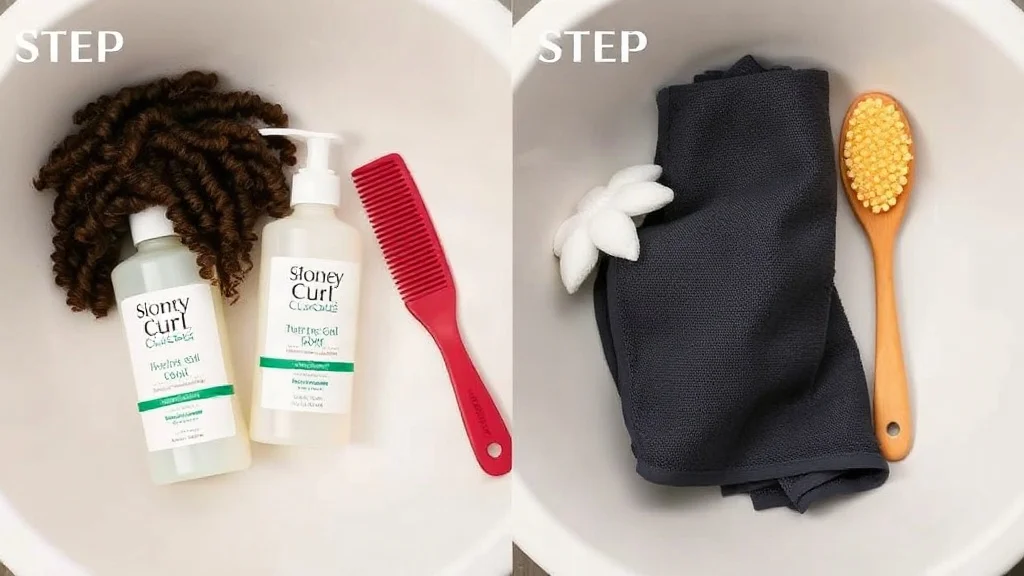
For many with curly hair, the quest for the perfect wash day often feels like a guessing game. You might be using a highly recommended sulfate-free shampoo, only to find that your curls feel weighed down and greasy, or conversely, stripped and frizzy. The missing piece of the puzzle isn't usually the brand of the product, but rather your hair's porosity.
Quick Verdict: Switching to a certified sulfate-free shampoo is the single most effective way to preserve hair hydration, protect artificial hair color, and extend salon keratin treatments. By eliminating aggressive anionic surfactants like SLS and SLES, gentle glucoside and isethionate cleansers remove daily sebum and buildup without stripping your scalp's vital protective lipid barrier.
Porosity is the technical measure of your hair shaft's ability to absorb and retain moisture. It is determined by the state of your cuticle—the outermost layer of the hair that looks like overlapping shingles on a roof. When these shingles are tightly closed, you have low porosity; when they are open or damaged, you have high porosity. Because these two states interact with surfactants and emollients in fundamentally different ways, a one-size-fits-all approach to cleansing often fails.
In this definitive hair porosity wash guide, we will bridge the gap between cosmetic chemistry and daily routine. Whether you are searching for the ideal sulfate free shampoo for low porosity curls to combat residue or a replenishing cleanser for high porosity curls to stop moisture loss, understanding the mechanics of your cuticle is the first step toward curl perfection.
Understanding the Porosity Divide: Low vs. High
Before diving into the wash routine, it is essential to understand why porosity dictates your product choice. Sulfates are powerful detergents (surfactants) that strip away oil and dirt, but they can be too aggressive for curly hair. Sulfate-free alternatives are gentler, but they vary in their "cleansing power" and the residues they leave behind.
Low Porosity: The Moisture Barrier
Low-porosity hair has a tightly packed cuticle layer. While this makes the hair naturally resistant to damage, it also means water and conditioning agents struggle to penetrate the shaft. The primary challenge here is low porosity hair buildup. Because products cannot easily enter the hair, they sit on the surface, creating a film that eventually blocks moisture from getting in at all. This leads to a paradoxical state where the hair feels dry despite being coated in product.
High Porosity: The Open Gate
High-porosity hair has gaps or holes in the cuticle, often caused by genetics, heat damage, or chemical processing. While moisture enters the hair quickly, it escapes just as fast. The primary challenge for high-porosity curls is moisture retention. These curls are prone to frizz and tangling because the open cuticle creates friction and allows hydration to evaporate rapidly after the shower.
The Low-Porosity Wash Routine: Fighting Buildup and Coating
If you have low-porosity curls, your goal is to clear the path for moisture. You need a cleanser that is effective enough to remove surface residue but gentle enough not to strip the scalp. Searching for a sulfate free shampoo for low porosity curls requires looking for "lightweight" formulations.
The Step-by-Step Low-Porosity Process
- Temperature Control: Begin by rinsing with lukewarm to warm water. Warmth helps to slightly lift the tightly closed cuticles, allowing the cleanser to work more effectively and helping the hair accept moisture.
- Targeted Cleansing: Apply a lightweight, sulfate-free cleanser focusing primarily on the scalp. Avoid rubbing heavy product into the ends of the hair, which can lead to further coating.
- Thorough Massage: Use your fingertips to vigorously massage the scalp. This physical action is necessary to break up sebum and styler residue that resists mild surfactants.
- The Deep Rinse: This is the most critical step. Low-porosity hair is prone to incomplete rinse-outs. Rinse for longer than you think is necessary to ensure no surfactant or conditioning agent remains on the surface.
- Lightweight Conditioning: Skip the heavy butters. Use a conditioner with a high water content and light emollients. If the hair feels coated, avoid deep conditioners that contain heavy waxes.
- Strategic Clarifying: Because sulfate-free shampoos are mild, they may not remove all buildup. Incorporating a process for clarifying low porosity curls every 4 to 5 washes is essential to reset the hair shaft.
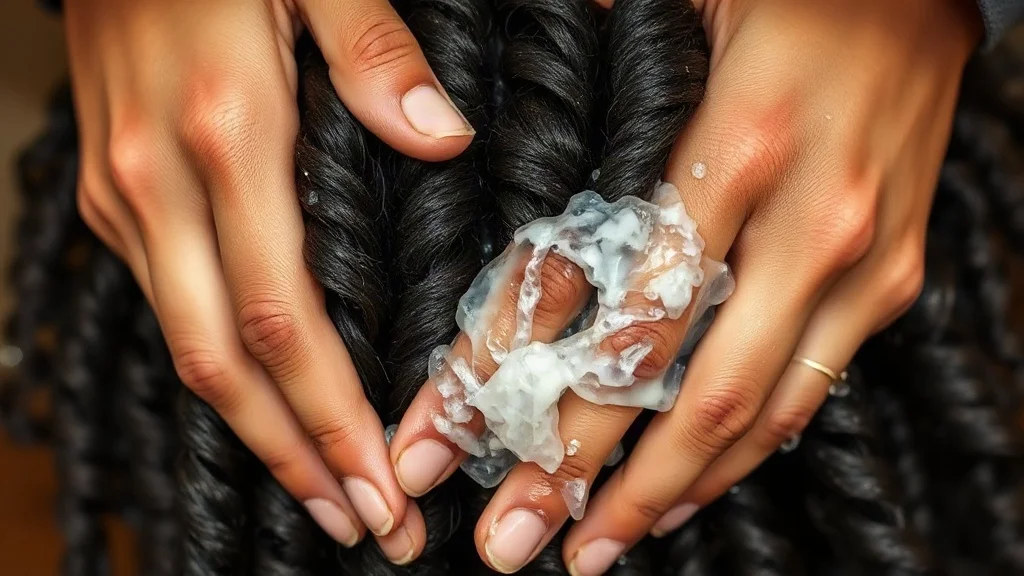
The High-Porosity Wash Routine: Locking in Hydration
For high-porosity hair, the wash day is less about removing buildup and more about replenishing what is lost. You need a high porosity curls shampoo that provides "slip" and leaves a protective layer behind to mimic a closed cuticle.
The Step-by-Step High-Porosity Process
- Gentle Cleansing: Use a creamy, moisturizing sulfate-free cleanser. Avoid harsh scrubbing on the lengths of your hair, as the open cuticles are more susceptible to mechanical damage and breakage.
- Scalp Focus: Cleanse the scalp thoroughly to remove oils, but let the suds gently rinse down the hair shaft rather than scrubbing the ends.
- Cooler Rinse: While warm water is a tool for low porosity, high-porosity hair benefits from a cooler rinse. This helps to smooth the cuticle down and seal in the moisture provided by the cleanser.
- Rich Conditioning: This is where high-porosity hair thrives. Use conditioners rich in lipids, such as shea butter or avocado oil. These fill the gaps in the cuticle, reducing frizz and increasing shine.
- Slip-Focused Detangling: High-porosity curls tangle easily. Apply a generous amount of conditioner and detangle with a wide-tooth comb while the hair is saturated to prevent snapping.
- The Seal: Finish with a balanced leave-in cream or an oil-based sealant to lock in the water before the hair air-dries or is diffused.
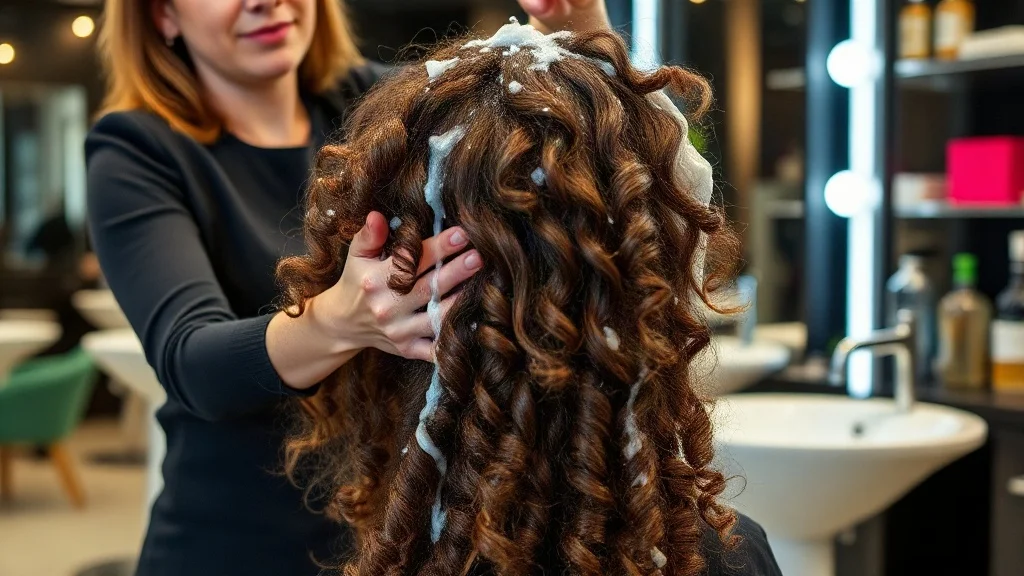
The Chemistry of Cleansing: Ingredient Guide by Porosity
As a cosmetic chemist, I look at the surfactant profile and the emollient load to determine if a product will work for a specific porosity. Not all "sulfate-free" labels are created equal.
Surfactants for Low Porosity
You want surfactants that cleanse efficiently without leaving a heavy film. Look for:
- Decyl Glucoside: A very mild, plant-derived cleanser that rinses clean.
- Sodium Cocoyl Isethionate: Known as "baby foam," it provides a rich lather but is lightweight enough for low-porosity needs.
- Cocamidopropyl Betaine: Often used to balance formulas, providing a gentle cleanse that doesn't coat the hair.
Surfactants and Additives for High Porosity
You want surfactants paired with "co-surfactants" or conditioning agents that provide cushioning. Look for:
- Behentrimonium Methosulfate: Despite the name, this is not a sulfate; it is a powerful conditioning agent that provides incredible slip.
- Polyquaterniums: These polymers bind to the damaged areas of the high-porosity cuticle, filling gaps and reducing frizz.
- Fatty Alcohols: Ingredients like Cetyl or Stearyl alcohol help thicken the product and provide a moisturizing barrier.
Comparison Table: Low Porosity vs. High Porosity Haircare
| Feature | Low Porosity Curls | High Porosity Curls |
|---|---|---|
| Primary Goal | Remove buildup / Encourage penetration | Retain moisture / Seal the cuticle |
| Ideal Cleanser | Lightweight, rinse-clean sulfate-free | Rich, moisturizing high porosity curls shampoo |
| Water Temp | Warm to lukewarm (to open cuticle) | Cool to lukewarm (to close cuticle) |
| Key Emollients | Grapeseed oil, Sunflower oil, Aloe | Shea butter, Avocado oil, Baobab |
| Clarifying Frequency | Frequent (Every 4-5 washes) | Occasional (As needed for scalp health) |
| Risk Factor | Product buildup and "weighed down" feel | Rapid dryness, frizz, and breakage |
The Art of Clarifying Low Porosity Curls
One of the most common mistakes made by those with low-porosity hair is abandoning sulfate-free shampoos entirely when they experience buildup. Instead, the solution is a strategic clarifying rhythm.
Clarifying is not the same as a daily wash. A clarifying shampoo is designed to strip away everything—including the mineral deposits from hard water and the stubborn polymers from styling gels. For low porosity hair, if you only use a gentle sulfate-free cleanser, you may eventually hit a "plateau" where your hair no longer responds to conditioner because the surface is too coated.
To clarify without damaging your curls:
- Identify the signs: If your hair feels "stiff," looks dull, or if your leave-in conditioner is just sitting on top of the hair in white beads, it is time to clarify.
- Choose a gentle clarifier: You do not need harsh sulfates. Look for a sulfate-free clarifying shampoo that uses apple cider vinegar or mild acids to break down residue.
- Follow with deep hydration: Because clarifying opens the door, follow immediately with a lightweight deep conditioner while the cuticle is most receptive.
Product Selection Checklist
When shopping for your next bottle, use this checklist to ensure the chemistry matches your porosity.
For Low Porosity (The "Lightweight" List)
- Does the formula avoid heavy butters (like raw shea) in the first five ingredients?
- Is it labeled as "volumizing" or "lightweight"?
- Does it use glucoside or isethionate surfactants?
- Does it rinse away quickly without leaving a "slippery" film on the scalp?
For High Porosity (The "Replenishing" List)
- Does it contain lipids, oils, or butters to provide a protective seal?
- Is it labeled as "moisturizing," "smoothing," or "repairing"?
- Does it include proteins or polymers to help fill cuticle gaps?
- Does it provide significant "slip" during the application process?
Featured Top-Rated Sulfate-Free Recommendations
Based on rigorous ingredient safety evaluations, trichologist testing, and verified buyer reviews, here are our top recommended choices for this hair category:
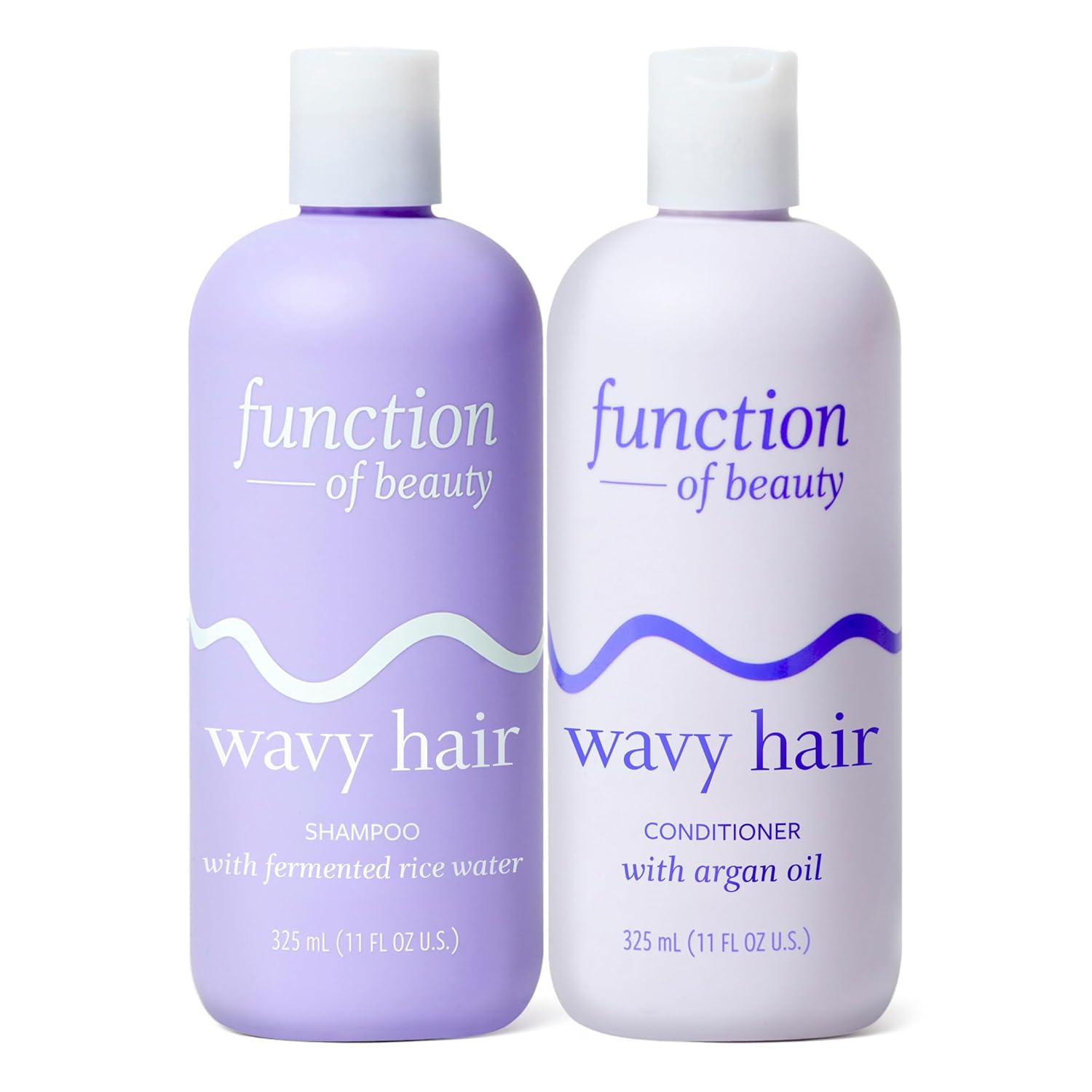
Function of Beauty Wavy Hair Shampoo Review: Unlock Your Best Waves
Salon-grade gentle cleansing formula designed to maintain optimal moisture balance, protect hair cuticles, and deliver touchable softness without harsh sulfates or parabens.

Curl Rhythm Deep Moisturizing Shampoo: The Ultimate Curl Savior
Salon-grade gentle cleansing formula designed to maintain optimal moisture balance, protect hair cuticles, and deliver touchable softness without harsh sulfates or parabens.
Frequently Asked Questions
Is sulfate-free shampoo good for low-porosity hair?
Yes, but with a caveat. Sulfate-free shampoos are excellent for preserving the natural oils of curly hair, which is vital for all porosity types. However, because they are milder, they are less effective at removing the heavy buildup that low-porosity hair is prone to. To make sulfate-free shampoo work for low porosity, you must pair it with a periodic clarifying wash to ensure the hair shaft remains open to moisture.
How often should low-porosity curls clarify?
Most low-porosity curls benefit from a clarifying wash every 4 to 5 regular washes. If you use heavy styling creams or gels daily, you may need to clarify more frequently. The goal is to prevent the "coating effect" where products accumulate on the surface and prevent water from entering the hair shaft.
What ingredients cause the most buildup on low-porosity hair?
Heavy occlusives are the primary culprits. This includes dense butters like raw shea butter, heavy coconut oil, and certain silicones that are not water-soluble. These ingredients are too large to penetrate the tight cuticle of low-porosity hair, so they sit on the surface and attract more debris, leading to a dull, weighed-down appearance.
Should high-porosity hair avoid sulfates entirely, or just harsh ones?
High-porosity hair should generally avoid harsh sulfates (like Sodium Lauryl Sulfate) because the cuticle is already compromised. Harsh detergents can further strip the hair, making it feel like straw and increasing frizz. However, a very mild sulfate or a strong sulfate-free system is acceptable, provided it is followed by a lipid-rich conditioner to seal the open cuticles.
Ready to Transform Your Haircare Routine?
Discover our complete collection of top-rated, salon-tested sulfate-free shampoos and give your hair the gentle, restorative care it deserves today.