
What Is Sulfate-Free Shampoo? The Cosmetic Chemistry Behind Gentle Cleansing
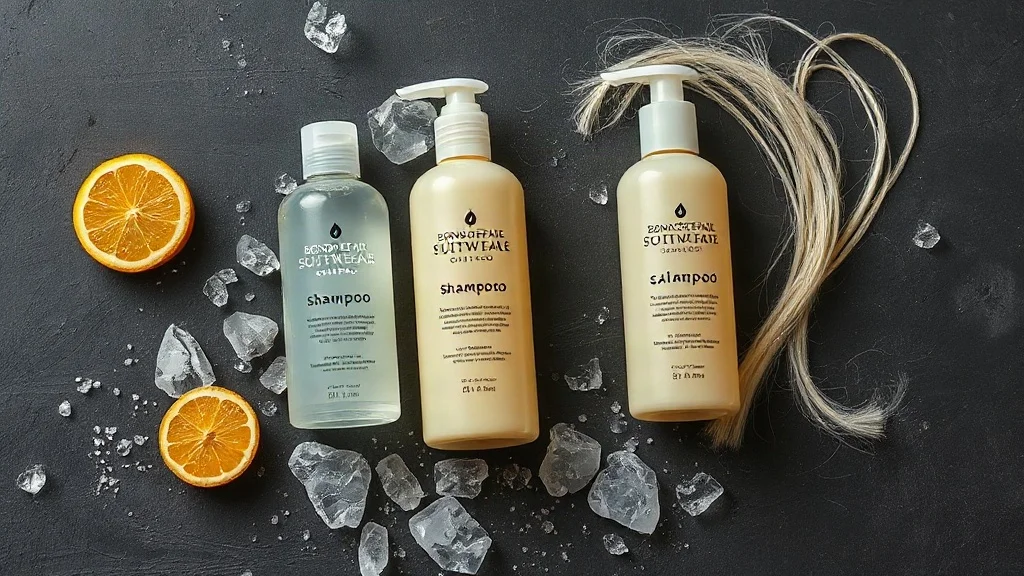
For decades, the "squeaky clean" feeling after a shower was considered the gold standard of haircare. However, as our understanding of the scalp microbiome and hair fiber integrity has evolved, we have realized that this sensation is often the result of over-cleansing. The culprit? Sulfates.
Quick Verdict: Switching to a certified sulfate-free shampoo is the single most effective way to preserve hair hydration, protect artificial hair color, and extend salon keratin treatments. By eliminating aggressive anionic surfactants like SLS and SLES, gentle glucoside and isethionate cleansers remove daily sebum and buildup without stripping your scalp's vital protective lipid barrier.
What is sulfate-free shampoo? Simply put, it is a cleansing formula that replaces harsh sulfate surfactants—such as Sodium Lauryl Sulfate (SLS) and Sodium Laureth Sulfate (SLES)—with milder surfactant systems. These alternative cleansers are designed to remove excess sebum, dirt, and product buildup without stripping the hair of its essential natural lipids or disrupting the delicate pH balance of the scalp.
Whether you are managing color-treated locks, fighting the frizz of curly hair, or dealing with a sensitive scalp, understanding the cosmetic chemistry behind your shampoo is the first step toward healthier hair. In this definitive guide, we will break down the science of surfactants, the benefits of going sulfate-free, and how to optimize your washing routine for maximum results.
How Sulfate-Free Shampoo Works: The Science of Surfactants
To understand how sulfate-free shampoo works, we first need to understand the role of a surfactant. The word "surfactant" is short for surface active agent. These molecules are amphiphilic, meaning they possess two distinct ends: a hydrophilic (water-loving) head and a lipophilic (oil-loving) tail.
When you massage shampoo into your hair, the lipophilic tails attach themselves to the oils, grease, and pollutants on your scalp. When you rinse, the hydrophilic heads bond with the water, pulling the oil and dirt away from the hair shaft and flushing them down the drain.
The Problem with Sulfates
Traditional sulfates like SLS are anionic surfactants with a very high cleansing power. While they are incredibly effective at removing oil and creating a rich, voluminous lather, they are often too effective. They can penetrate the hair cuticle and strip away the 18-MEA (the natural lipid layer that makes hair hydrophobic and smooth). This leads to increased porosity, moisture loss, and a rougher hair texture.
The Sulfate-Free Alternative
Sulfate-free formulas don't rely on a single, powerful detergent. Instead, they use a sophisticated blend of mild surfactants. By mixing different classes of surfactants—anionic, amphoteric, and nonionic—cosmetic chemists can create a "synergistic effect." This allows the shampoo to cleanse effectively while remaining gentle on the skin and hair fiber.
Key Surfactants Used in Sulfate-Free Formulas
When reading a label, you won't see "sulfate-free" listed as an ingredient; instead, you will see a variety of chemical names. As a cosmetic chemist, I categorize these into several functional buckets based on their chemical behavior and the "feel" they provide during use.
1. Betaines (Amphoteric Surfactants)
Ingredients like Cocamidopropyl Betaine and Coco-Betaine are staples in gentle formulas. They act as foam boosters and mildness enhancers, reducing the irritation potential of other surfactants in the blend.
2. Glucosides (Nonionic Surfactants)
Decyl Glucoside, Coco-Glucoside, and Lauryl Glucoside are derived from sugars and coconut/palm oils. They are exceptionally mild, biodegradable, and ideal for those with highly sensitive skin or baby products.
3. Isethionates (Mild Anionic Surfactants)
Sodium Cocoyl Isethionate is often referred to as "baby foam" because of its extreme gentleness. Unlike SLS, isethionates provide a creamy, dense lather without stripping the hair's natural moisture.
4. Taurates and Sarcosinates
Sodium Methyl Cocoyl Taurate and Sodium Lauroyl Sarcosinate are used to provide a sophisticated sensory experience. They offer excellent cleansing properties and high stability in various pH levels while remaining far less irritating than sulfates.
5. Sulfosuccinates
Disodium Laureth Sulfosuccinate is a large-molecule surfactant. Because the molecule is larger, it cannot penetrate the skin or hair cuticle as easily as SLS, making it a safe and effective choice for sensitive users.
Comparison: Sulfates vs. Sulfate-Free Cleansers
To help you visualize the difference, the following table compares the chemical and physical properties of traditional sulfate systems versus modern sulfate-free alternatives.
| Feature | Sulfate-Based (SLS/SLES) | Sulfate-Free Systems |
|---|---|---|
| Cleansing Intensity | Aggressive / High Stripping | Gentle / Selective Cleansing |
| Lather Quality | High volume, big bubbles | Creamier, lower volume |
| Cuticle Impact | Can lift cuticles / Increase porosity | Preserves cuticle integrity |
| Scalp Sensation | Potential for dryness/itching | Calming / Non-irritating |
| Color Retention | Accelerates color fade | Extends vibrancy of dye |
| Common Ingredients | Sodium Lauryl Sulfate, Ammonium Laureth Sulfate | Glucosides, Betaines, Isethionates |
The Benefits of Sulfate-Free Haircare
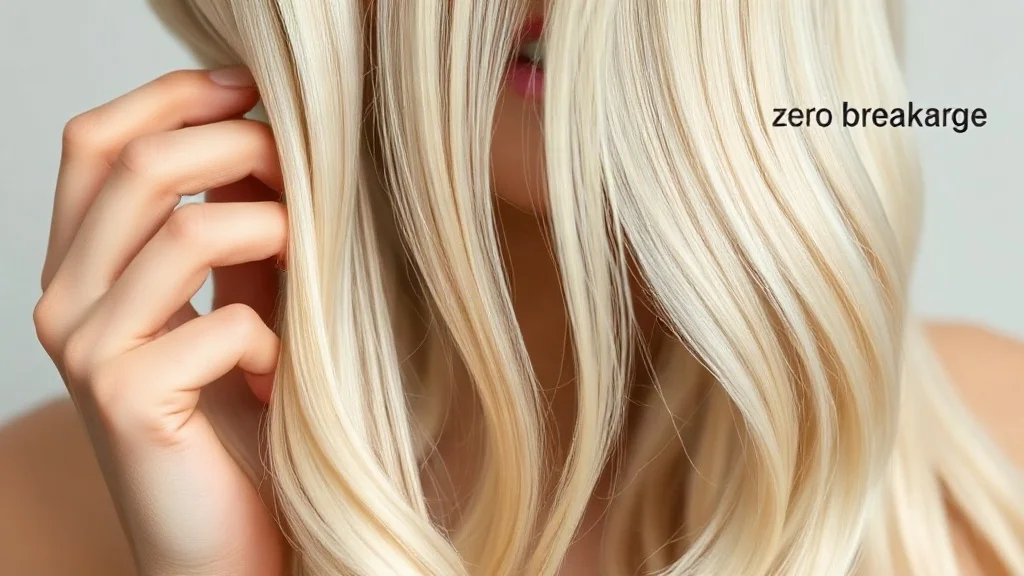
Transitioning to a sulfate-free regimen isn't just a trend; it is a strategic choice based on the needs of your hair porosity and scalp health. The benefits of sulfate-free shampoo explained simply are as follows:
Preservation of Natural Lipids
Your scalp produces sebum to protect the hair shaft and keep the skin hydrated. Sulfates strip this oil entirely. Sulfate-free options remove the "excess" while leaving enough lipid coverage to maintain a healthy shine and prevent the scalp from overcompensating by producing more oil.
Color and Chemical Treatment Protection
Artificial color molecules sit inside the hair cortex and just beneath the cuticle. Harsh sulfates lift the cuticle, allowing color molecules to escape more quickly. Sulfate-free cleansers keep the cuticle flatter, significantly extending the life of your salon color or keratin treatment.
Curl Definition and Frizz Control
Curly and coily hair types are naturally more prone to dryness because sebum has a harder time traveling down the coiled shaft. By avoiding sulfates, you retain the moisture necessary to keep curls clumped and defined, reducing the "poof" associated with stripped, high-porosity hair.
Scalp Comfort for Sensitive Skin
For those with eczema, psoriasis, or general scalp sensitivity, sulfates can act as irritants. Milder surfactant systems reduce the risk of contact dermatitis and redness, making the washing experience more comfortable.
Who Should Use Sulfate-Free Shampoo?
While many people can benefit from a gentler wash, certain hair types are prime candidates for sulfate-free formulas.
- High-Porosity Hair: If your hair is damaged from bleach, heat styling, or naturally porous, your cuticles are already "open." Sulfates can further aggravate this, leading to extreme dryness.
- Curly and Textured Hair: To maintain the structural integrity of a curl, moisture is king. Sulfate-free options prevent the "straw-like" feel.
- Color-Treated Hair: To avoid the dreaded "brassiness" or premature fading of expensive dyes.
- Dry or Itchy Scalps: Those who experience tightness or flaking after washing.
A note on low-porosity hair: If you have very low-porosity hair (where water beads off the surface), you may find that some sulfate-free shampoos leave a slight residue. In this case, I recommend a "hybrid" approach: use a sulfate-free shampoo for daily washes and a gentle clarifying sulfate shampoo once every two weeks to reset the hair.
Beyond Surfactants: The Role of Lipids and Humectants
A world-class sulfate-free shampoo isn't just about what is removed; it is about what is added. Because milder surfactants don't provide the same "slip" as sulfates, cosmetic chemists incorporate specific additives to enhance the experience.
Conditioning Lipids
To offset the lack of harsh detergents, we add fatty alcohols (like Cetyl or Stearyl alcohol), plant oils (like Argan or Jojoba), and ceramides. These fill in the gaps of the hair cuticle, providing a smooth surface and reducing friction during combing.
Humectants for Moisture
Ingredients such as Glycerin, Propanediol, and Aloe Vera act as humectants. They draw moisture from the air into the hair shaft, ensuring that the hair feels hydrated and plump rather than flat and limp after rinsing.
How to Wash Your Hair with Sulfate-Free Shampoo
One of the most common complaints about sulfate-free shampoo is that it "doesn't work" because it doesn't foam as much. This is a misconception. Lather does not equal cleanliness; lather is simply a sensory cue. To get the best results, adjust your technique:
- Thoroughly Saturate: Start with warm water. Your hair must be soaking wet for the milder surfactants to spread evenly.
- Emulsify First: Place a small amount of shampoo in your palms and rub them together for a few seconds before applying to the scalp. This "activates" the formula.
- Focus on the Scalp: Massage the product directly into the scalp using your fingertips. Spend 30 to 60 seconds ensuring you've broken up the oils.
- The Second Wash: If you use heavy styling products or have very oily hair, a second light wash is often necessary. You will notice the second wash lathers significantly more than the first.
- Rinse Completely: Because sulfate-free formulas often contain more conditioning agents, they require a thorough rinse to avoid weighing down the hair.
Final Verdict: Making the Switch
Choosing a sulfate-free shampoo is an investment in the long-term health of your hair. By moving away from aggressive detergents and embracing the nuanced world of cosmetic chemistry, you allow your hair to retain its natural protective lipids, your color to stay vibrant, and your scalp to remain balanced.
When shopping, look beyond the "Sulfate-Free" claim on the front of the bottle. Turn the bottle over and look for the surfactants we discussed: isethionates, glucosides, and betaines. When combined with humectants like glycerin and nourishing lipids, these ingredients create a professional-grade cleanse that respects the biology of your hair.
Featured Top-Rated Sulfate-Free Recommendations
Based on rigorous ingredient safety evaluations, trichologist testing, and verified buyer reviews, here are our top recommended choices for this hair category:

Saphira Healing Repair Shampoo: Revive Chemically Treated Hair
Salon-grade gentle cleansing formula designed to maintain optimal moisture balance, protect hair cuticles, and deliver touchable softness without harsh sulfates or parabens.

L'Oreal EverPure Bond Repair: Transform Damaged Hair Now!
Salon-grade gentle cleansing formula designed to maintain optimal moisture balance, protect hair cuticles, and deliver touchable softness without harsh sulfates or parabens.
Frequently Asked Questions
Is sulfate-free shampoo actually better for everyone?
Not necessarily. While it is superior for most, people with extremely oily scalps or those who use heavy, silicone-based styling products (like certain waxes or pomades) may find that sulfate-free shampoos aren't powerful enough to remove all buildup. For these users, alternating between a sulfate-free wash and a clarifying wash is the ideal strategy.
Why does my sulfate-free shampoo not lather as much?
Lather is created by the specific molecular structure of sulfates, which traps air easily. Mild surfactants like glucosides and betaines create smaller, denser bubbles. This lack of "foam" does not mean the shampoo isn't cleaning; it simply means it is not disrupting your skin barrier as aggressively.
Is cocamidopropyl betaine considered a sulfate?
No. Cocamidopropyl betaine is an amphoteric surfactant derived from coconut oil. It is frequently used in sulfate-free shampoos to increase foam and reduce the irritation caused by other cleansing agents. It is widely regarded as a gentle alternative to sulfates.
Does sulfate-free shampoo remove buildup?
It removes daily oils and light product residue effectively. However, it may struggle with heavy "hard water" mineral buildup or waterproof silicones (like dimethicone). If your hair feels "coated" or heavy, using a chelating or clarifying shampoo once a month will keep your sulfate-free routine working perfectly.
Ready to Transform Your Haircare Routine?
Discover our complete collection of top-rated, salon-tested sulfate-free shampoos and give your hair the gentle, restorative care it deserves today.