
Winter Haircare Routine for Coarse Hair: Beating Dry Indoor Heat & Friction
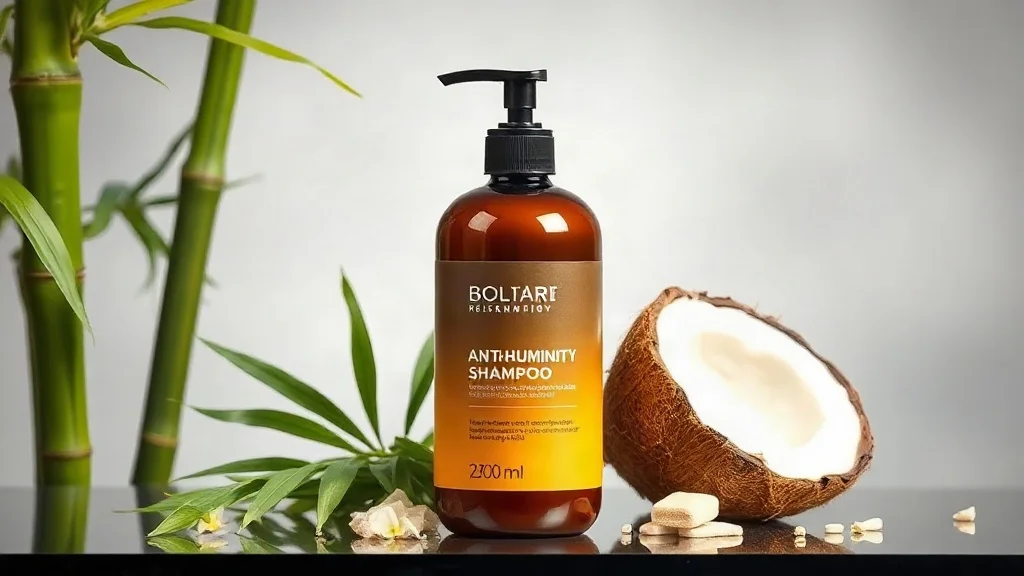
When the temperature drops and the central heating kicks in, your hair undergoes a dramatic physiological shift. For those with coarse or thick hair, winter isn't just a season—it's a battle against brittleness, unruly static, and a persistent lack of luster. While many attribute this to the cold air, the real culprit is a combination of low ambient humidity and the mechanical friction of winter wardrobes.
Quick Verdict: Switching to a certified sulfate-free shampoo is the single most effective way to preserve hair hydration, protect artificial hair color, and extend salon keratin treatments. By eliminating aggressive anionic surfactants like SLS and SLES, gentle glucoside and isethionate cleansers remove daily sebum and buildup without stripping your scalp's vital protective lipid barrier.
As a trichologist and cosmetic chemist, I have observed that coarse hair is particularly susceptible to these changes because its larger diameter and often more porous cuticle allow internal moisture to escape more rapidly into dry indoor air. To combat this, a standard haircare regimen is rarely enough. You need a targeted winter dry hair sulfate free routine that prioritizes lipid replenishment and cuticle sealing.
In this definitive guide, we will break down the science of winter hair dryness and provide a professional, step-by-step wash day protocol designed to protect thick, coarse hair from the elements.
Why Hair Gets Drier in Winter: The Science of Friction and Humidity
To solve winter hair dryness, we must first understand why it happens. Hair is hygroscopic, meaning it absorbs and releases moisture based on the environment. In the summer, higher humidity helps keep the hair shaft hydrated. In the winter, however, two primary factors strip your hair of its vitality:
1. The Humidity Gap
Cold outdoor air holds very little moisture, but the real damage happens indoors. Forced-air heating systems strip moisture from the air, creating a vacuum effect. Through a process called transepidermal water loss (TEWL)—which also applies to the hair shaft—the water inside your hair evaporates into the dry room air, leaving the cuticle lifted and the cortex dehydrated.
2. The Static and Friction Cycle
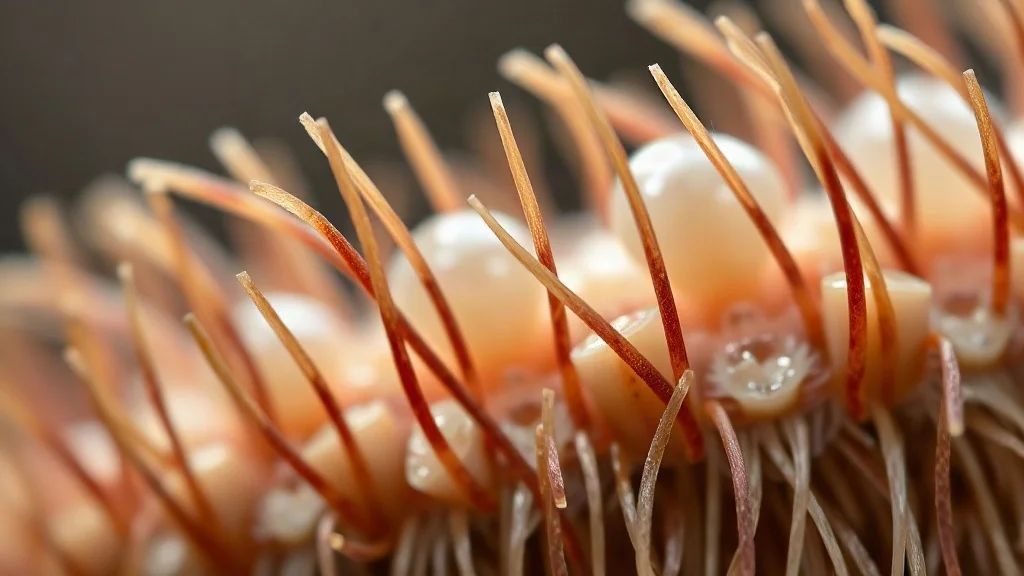
Winter involves more friction: wool hats, scarves, and synthetic coats rubbing against the hair. This mechanical friction disrupts the cuticle scales, causing them to stand up rather than lie flat. This not only leads to tangles but creates an electrical imbalance. When the hair loses its natural lubrication (lipids), electrons build up on the surface, resulting in the "flyaway" static common in thick hair during January.
Cosmetic Chemistry: Ingredients to Look for (and Avoid)
When selecting products for a winter dry hair sulfate free routine, the goal is to replace the lipids lost to the cold and create a hydrophobic barrier that locks moisture in.
The Cleansing System: Moving Beyond Sulfates
Traditional sulfates (like Sodium Lauryl Sulfate) are powerful detergents that create a rich foam by stripping away oils. In winter, this is catastrophic for coarse hair. Instead, look for mild, non-ionic or amphoteric surfactants. Ingredients such as Cocoyl Isethionate, Sodium Lauroyl Glutamate, and Disodium Cocoyl Glutamate provide effective cleansing without compromising the scalp's natural lipid barrier.
The Hydrators: Humectants vs. Emollients
There is a critical distinction in chemistry between hydration (adding water) and moisturization (locking water in). For coarse hair in winter, you need both:
- Humectants (e.g., Glycerin, Aloe Vera): These draw moisture from the air into the hair. However, in extremely dry indoor heat, humectants can sometimes draw moisture out of the hair if there isn't enough ambient humidity.
- Emollients and Occlusives (e.g., Argan Oil, Shea Butter, Ceramides): These fill the gaps between cuticle scales and create a seal. For thick hair, these are the "heavy lifters" that prevent static and brittleness.
Ingredient Comparison Table for Winter Haircare
| Ingredient Category | Recommended Ingredients | Function in Winter | Avoid/Limit |
|---|---|---|---|
| Surfactants | Cocoyl Isethionate, Decyl Glucoside | Gentle cleansing; preserves natural oils | SLS, SLES, Sodium C14-16 Olefin Sulfonate |
| Humectants | Hyaluronic Acid, Aloe Vera, Glycerin | Attracts moisture to the hair shaft | High concentrations of glycerin without sealants |
| Emollients | Argan Oil, Shea Butter, Jojoba Oil | Smooths cuticle; reduces static friction | Heavy mineral oils that cause buildup |
| Protectants | Panthenol, Hydrolyzed Keratin, Silk Proteins | Strengthens the shaft; adds a protective film | High-alcohol drying agents (Ethanol) |
The Ultimate Winter Wash Day Routine for Coarse Hair
For those with thick, coarse hair, the frequency of washing should typically decrease in winter. Washing every 4 to 7 days is often ideal, as it allows the scalp's natural sebum to travel down the hair shaft, providing a built-in layer of protection against the cold.
Follow this professional protocol to maximize hydration and combat static.
Step 1: The Pre-Wash Treatment
If your ends feel particularly brittle or "crunchy," apply a small amount of argan or jojoba oil to the mid-lengths and ends 30 minutes before showering. This creates a buffer that protects the oldest parts of your hair from the cleansing process, ensuring the shampoo doesn't over-strip the ends.
Step 2: Gentle Sulfate-Free Cleansing
Apply your sulfate-free shampoo only to the scalp. Massage gently with your fingertips to break down sebum and product buildup. As you rinse, let the suds flow down the lengths of your hair. This "passive cleansing" is sufficient for the ends and prevents the dryness that occurs when shampoo is scrubbed directly into the lengths.
Step 3: The Temperature Shift
Avoid the temptation of steaming hot showers. High temperatures open the hair cuticle excessively and strip away essential lipids. Use lukewarm water for cleansing and, if you can tolerate it, a cool rinse at the very end to help the cuticle lie flat, which boosts shine and reduces static.
Step 4: Deep Conditioning and Detangling
Coarse hair requires a richer conditioning agent in winter. Use a deep conditioner or a moisturizing mask containing shea butter or ceramides. Apply from the mid-shaft down to the ends. While the conditioner is still in the hair, use a wide-tooth comb or a wet brush to detangle. The "slip" provided by the conditioner minimizes mechanical breakage and friction.
Step 5: The Damp-Lock Method (Leave-In)
Once you step out of the shower, gently pat your hair with a microfiber towel or an old cotton T-shirt. Never rub the hair, as this creates immediate friction and static. While the hair is still damp, apply a leave-in conditioner. This acts as a primary humectant layer, trapping water inside the shaft before the dry indoor air can steal it.
Step 6: Sealing the Cuticle
The final step is the most important for coarse hair: the sealant. Apply 2-3 drops of a finishing oil (such as argan oil) to the very ends of the hair. This creates an occlusive barrier that locks in the leave-in conditioner and prevents the hair from reacting to the static-inducing fabrics of winter clothing.

How to Combat Static and Friction in Thick Hair
Even with a perfect wash routine, external factors can trigger static. To combat static in thick hair, you must manage the electrical charge of the hair fiber.
The Role of Silk and Satin
Cotton is a porous material that absorbs moisture from your hair while you sleep and creates significant friction as you move your head. Switching to a silk or satin pillowcase reduces this friction, ensuring that the cuticle stays smooth and the lipids you applied during your routine stay on the hair rather than being absorbed by your bedding.
Managing Indoor Heat
If you spend eight hours a day in a heated office or home, your hair is under constant stress. Consider using a small humidifier in your bedroom to keep the ambient moisture levels higher. Additionally, avoid touching your hair frequently throughout the day; the friction from your hands can build up a static charge that leads to flyaways.
Cold Weather Protection
When wearing hats or scarves, opt for materials like silk, cashmere, or lined fabrics. Rough wool directly against the hair shaft is a leading cause of winter breakage and static. If you must wear a wool hat, consider wearing a silk scarf underneath to create a frictionless barrier.
Common Winter Haircare Mistakes to Avoid
- Over-washing: Washing your hair daily in winter strips the lipids that coarse hair desperately needs to stay supple. Extend the time between washes.
- Using High Heat: Between the blow dryer and the curling iron, heat styling can further dehydrate the hair. Use the lowest effective temperature setting and always apply a heat protectant.
- Ignoring the Scalp: While we focus on the ends, a dry scalp can lead to itching and flaking. Ensure your sulfate-free shampoo is balanced so it doesn't leave the scalp feeling tight.
- Skipping the Leave-In: A rinse-out conditioner is rarely enough for coarse hair in winter. The leave-in step is non-negotiable for maintaining the moisture barrier.
Featured Top-Rated Sulfate-Free Recommendations
Based on rigorous ingredient safety evaluations, trichologist testing, and verified buyer reviews, here are our top recommended choices for this hair category:
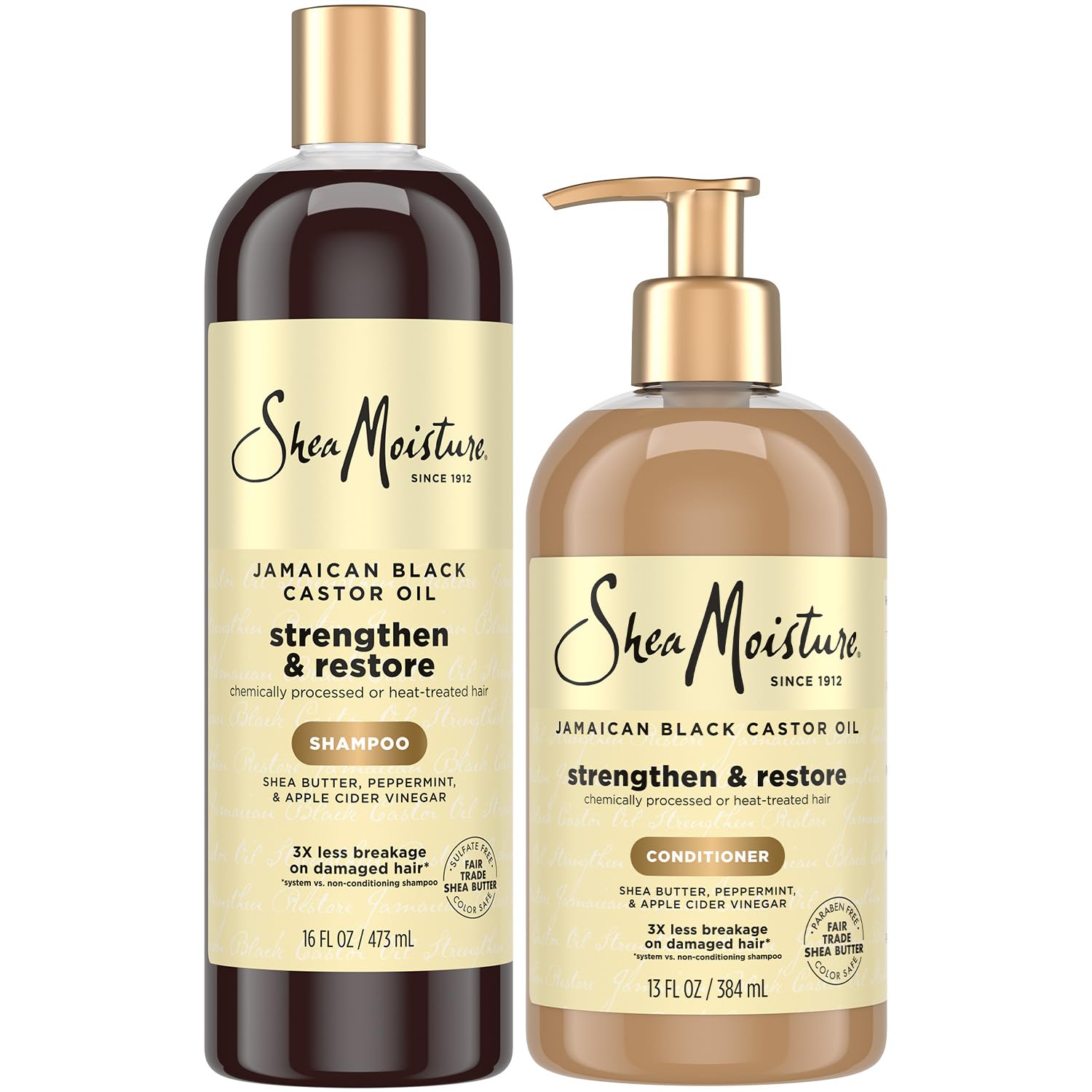
Shea Moisture Jamaican Black Castor Oil Shampoo Review
Salon-grade gentle cleansing formula designed to maintain optimal moisture balance, protect hair cuticles, and deliver touchable softness without harsh sulfates or parabens.

L'Oreal EverPure Sulfate-Free Shampoo: Curly Hair Revival
Salon-grade gentle cleansing formula designed to maintain optimal moisture balance, protect hair cuticles, and deliver touchable softness without harsh sulfates or parabens.
Frequently Asked Questions
Is a sulfate-free shampoo actually better for coarse hair in winter?
Yes. Sulfates are aggressive surfactants that remove not only dirt but also the essential fatty acids and lipids that keep coarse hair flexible. In winter, when the environment is already stripping moisture, using a sulfate-free cleanser ensures that you are not compounding the problem. By using milder surfactants like Cocoyl Isethionate, you maintain a healthier lipid layer, which naturally reduces static and brittleness.
How do I tell the difference between dry hair and a dry scalp?
Dry hair is a structural issue where the hair shaft lacks moisture and lipids, resulting in a rough texture, split ends, and lack of shine. A dry scalp is a skin condition characterized by tightness, itching, and small, white, non-oily flakes. While they often happen simultaneously in winter, they require different treatments: dry hair needs emollients (oils), while a dry scalp may need soothing, hydrating scalp serums or a reduction in wash frequency.
How often should I use a hair mask if my hair is very thick and dry?
For coarse, thirsty hair in the depths of winter, a weekly deep-conditioning mask is recommended. If your hair is exceptionally porous or chemically treated, you may increase this to twice a week. The key is to ensure the mask contains occlusives like shea butter or coconut oil to provide the heavy-duty moisture that a standard conditioner cannot deliver.
Can I use a humidifier to help my hair dryness?
Absolutely. A humidifier increases the moisture content of the air in your room. This prevents the "vacuum effect" where dry indoor heat pulls moisture out of your hair. By maintaining a balanced humidity level (ideally between 40% and 60%), you reduce the amount of static electricity generated and help your humectant-based products (like aloe or glycerin) work more effectively.
Ready to Transform Your Haircare Routine?
Discover our complete collection of top-rated, salon-tested sulfate-free shampoos and give your hair the gentle, restorative care it deserves today.