
Sulfate-Free Shampoos for Dry Scalp and Coarse Strands: Balancing Moisture
If your scalp feels tight and itchy while your hair is coarse and unruly, the problem may start with your cleanser. Finding a sulfate free shampoo dry scalp coarse hair formula is one of the most effective changes you can make. Traditional sulfates strip away the very moisture both your scalp and strands need, leaving behind irritation, flakes, and a rough texture. In this guide, we break down the science behind sulfate-free systems and how to build a routine that restores comfort and shine.
Quick Verdict: Switching to a certified sulfate-free shampoo is the single most effective way to preserve hair hydration, protect artificial hair color, and extend salon keratin treatments. By eliminating aggressive anionic surfactants like SLS and SLES, gentle glucoside and isethionate cleansers remove daily sebum and buildup without stripping your scalp's vital protective lipid barrier.
The Struggle of the Dry Scalp and Coarse Hair Paradox
For many, the quest for the perfect haircare routine feels like a constant compromise. If you have coarse hair strands paired with a dry, itchy scalp, you are dealing with two distinct biological challenges that often require opposing treatments. Coarse hair—characterized by a larger diameter and a more textured cuticle—demands heavy-duty lubrication to feel soft. Meanwhile, a dry scalp requires gentle, soothing intervention to eliminate flakes and irritation without leaving the roots greasy.
The traditional solution has often been harsh, high-detergent shampoos that strip away oil to remove flakes, leaving the coarse hair strands feeling like straw. This is where the science of sulfate-free formulation becomes essential. By shifting from aggressive surfactants to a balanced, moisture-centric cleansing system, you can finally achieve a healthy scalp environment and manageable, glossy hair.
Understanding the Science: Why Your Scalp is Dry and Your Hair is Coarse
To understand why a sulfate free shampoo dry scalp coarse hair combination is the gold standard, we must first look at the anatomy of the hair fiber and the skin of the scalp.
The Nature of Coarse Hair
Coarse hair is not the same as thick hair. While thick hair refers to the density of follicles on your head, coarse hair refers to the width of the individual strand. Coarse strands typically have a more prominent, raised cuticle layer. This structural irregularity makes it harder for the scalp's natural sebum to travel down the hair shaft. As a result, the lengths of coarse hair are perpetually starved for moisture, leading to frizz, stiffness, and a rough texture.
The Dry Scalp Dilemma
A dry scalp occurs when the skin lacks sufficient sebum to maintain its moisture barrier. This leads to tightness, itching, and the appearance of small, white, dry flakes. It is critical to distinguish this from dandruff (seborrheic dermatitis), which is typically caused by an overgrowth of yeast and often presents as larger, oily, yellowish flakes. While a moisturizing shampoo helps a dry scalp, a true dandruff condition may require medicated actives like zinc pyrithione.
When you use sulfates—such as Sodium Lauryl Sulfate (SLS)—you are using a powerful detergent that doesn't distinguish between "excess oil" and "essential moisture." For someone with coarse hair and a dry scalp, sulfates act as a stripping agent, removing the few lipids your hair has and irritating an already sensitive scalp.
The Chemistry of a Superior Sulfate-Free System
As a cosmetic chemist, I look for specific ingredient clusters when formulating or recommending a dry scalp relief shampoo. A high-performing formula for this specific hair type must balance three pillars: gentle cleansing, humectant hydration, and lipid restoration.
1. The Gentle Surfactant Base
Instead of sulfates, the best formulas utilize amphoteric and nonionic surfactants. Ingredients like Cocamidopropyl Betaine or Decyl Glucoside provide a soft lather that lifts impurities without rupturing the skin barrier or lifting the hair cuticle further. This ensures that the cleansing process is "low-stress" for the fiber, preserving the integrity of the hair's internal moisture.
2. Humectants for Immediate Relief
Humectants are molecules that attract water from the air and bind it to the skin and hair. For a soothing scalp sulfate free experience, look for:
- Glycerin: A powerhouse that prevents the scalp from feeling "tight" after washing.
- Panthenol (Pro-Vitamin B5): Penetrates the hair shaft to provide deep hydration and improves elasticity.
- Hyaluronic Acid: Holds up to 1,000 times its weight in water, providing an instant plump to the scalp skin and softening coarse strands.
3. Lipids and Emollients for Coarse Fiber Lubrication
Because coarse hair is resistant to natural oils, the shampoo must deposit external lipids to mimic that missing sebum. Squalane, Argan oil, and Shea butter are excellent choices. These ingredients smooth the raised cuticle, reducing friction between strands and eliminating the "rough" feel associated with coarse hair.

Comparing Ingredient Systems: Sulfate vs. Sulfate-Free
To better visualize why the switch is necessary for those with a flaky scalp thick hair combination, consider the following chemical comparison:
| Feature | Traditional Sulfate Shampoos | Advanced Sulfate-Free Systems | Impact on Coarse/Dry Hair |
|---|---|---|---|
| Primary Cleanser | Sodium Lauryl Sulfate (SLS) | Cocamidopropyl Betaine / Glucosides | Sulfate-free prevents "straw-like" texture. |
| Scalp Impact | High stripping potential; irritating | Low irritation; preserves lipid barrier | Reduces itch and prevents further flaking. |
| Cuticle Effect | Lifts cuticles, increasing frizz | Smooths cuticles, increasing shine | Makes coarse strands feel flexible and soft. |
| Moisture Retention | Removes natural and added oils | Integrates humectants and lipids | Long-term hydration vs. temporary cleanliness. |
How to Nourish Dry Scalp and Hair: The Master Routine
Buying the right product is only half the battle. To truly nourish dry scalp and hair, you must change how you apply your products. Coarse hair and dry scalps require a strategic approach to washing.
- The Lukewarm Start: Never use hot water. Hot water strips the scalp of its remaining oils and opens the hair cuticle too wide, leading to moisture loss. Use lukewarm water to dampen the hair thoroughly.
- Targeted Application: Apply your sulfate-free shampoo exclusively to the scalp. Do not scrub the lengths of your coarse hair. The gentle runoff during the rinse process is sufficient to clean the ends without over-drying them.
- The Precision Massage: Use your fingertips (never nails) to massage the scalp for 60 seconds. This stimulates blood flow and ensures the soothing agents—like panthenol and glycerin—have time to interact with the skin.
- The "Conditioner First" Approach: For extremely coarse or curly hair, some professionals recommend applying a lightweight conditioner to the ends before shampooing the roots. This protects the fragile ends from any surfactant action.
- The Cool Rinse: Finish your shower with a cool water rinse. This helps snap the cuticles shut on coarse strands, locking in the moisture and adding a natural gloss.
- Strategic Frequency: If your scalp is chronically dry, stop washing daily. Aim for 2-3 times per week. Over-washing, even with sulfate-free products, can hinder the scalp's ability to recover its natural oil balance.
Identifying Your Needs: Dry Scalp vs. Dandruff
One of the most common mistakes consumers make is using a harsh anti-dandruff shampoo to treat a dry scalp. This often exacerbates the problem.
You likely have a dry scalp if:
- The flakes are small and white.
- Your scalp feels tight or itchy.
- Your hair strands feel coarse and lack shine.
- The condition improves after using a moisturizing oil or cream.
You likely have dandruff (Seborrheic Dermatitis) if:
- The flakes are larger, yellow, or oily.
- The scalp is red or inflamed.
- The flakes cling to the hair shaft.
- You feel an oily residue on the scalp despite washing.
If you have dandruff, you may need a sulfate-free shampoo that incorporates Zinc Pyrithione or Salicylic Acid. However, for those with simple dryness and coarse hair, a moisture-balancing, lipid-rich sulfate-free formula is the most effective path to relief.
The Role of Porosity in Coarse Hair Care
As a trichologist, I often emphasize that coarse hair is frequently paired with high porosity. High-porosity hair has "holes" or gaps in the cuticle, allowing moisture to enter easily but exit just as fast.
When you use a sulfate-free shampoo, you are preventing the further widening of these gaps. By incorporating dimethicone or plant-based squalane into the routine, you create a "seal" over the fiber. This prevents the internal moisture from evaporating, which is the only way to keep coarse hair from feeling rough and unmanageable throughout the day.
Summary of Key Ingredients to Look For
When shopping for your next bottle, ignore the marketing claims on the front and scan the ingredient list (INCI) for these gold-standard components:
- For the Scalp: Aloe Vera, Allantoin, Glycerin, Hyaluronic Acid, and Colloidal Oatmeal.
- For the Strands: Argan Oil, Coconut Oil, Shea Butter, Hydrolyzed Keratin, and Panthenol.
- The Cleansers: Coco-glucoside, Sodium Cocoyl Isethionate, or Lauryl Glucoside.
Featured Top-Rated Sulfate-Free Recommendations
Based on rigorous ingredient safety evaluations, trichologist testing, and verified buyer reviews, here are our top recommended choices for this hair category:
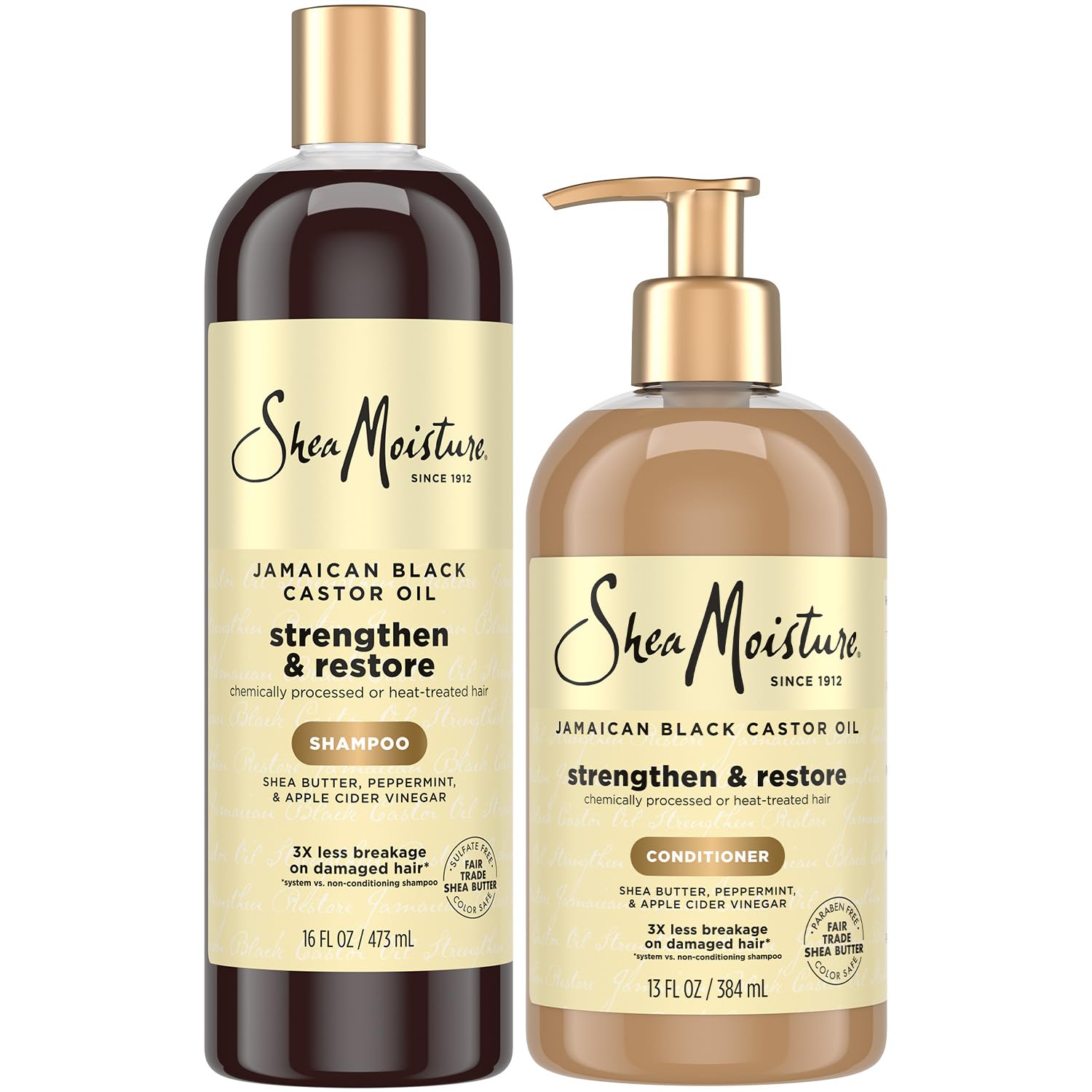
Shea Moisture Jamaican Black Castor Oil Shampoo Review
Salon-grade gentle cleansing formula designed to maintain optimal moisture balance, protect hair cuticles, and deliver touchable softness without harsh sulfates or parabens.

L'Oreal EverPure Sulfate-Free Shampoo: Curly Hair Revival
Salon-grade gentle cleansing formula designed to maintain optimal moisture balance, protect hair cuticles, and deliver touchable softness without harsh sulfates or parabens.
Frequently Asked Questions
Is sulfate-free shampoo actually better for a dry, flaky scalp?
Yes. Sulfates are aggressive detergents that break down the skin's natural lipid barrier. When this barrier is compromised, moisture evaporates more quickly (trans-epidermal water loss), leading to increased flaking and itching. Sulfate-free alternatives cleanse the skin without stripping these essential fats, allowing the scalp to heal and retain moisture.
Will a moisturizing shampoo make my thick, coarse hair feel greasy?
Not if formulated correctly. The key is the balance between humectants (which attract water) and emollients (which provide oil). High-quality sulfate-free shampoos for coarse hair use lightweight lipids like squalane or argan oil that penetrate the fiber rather than sitting on top of it. Because coarse hair has a higher capacity for moisture absorption than fine hair, it is much less likely to feel greasy.
How often should I wash my hair if I have a dry scalp and coarse strands?
Generally, less is more. I recommend washing every 3 to 4 days. Washing too frequently—even with gentle products—can disrupt the scalp's microbiome and remove the sebum that coarse hair desperately needs. If you feel the need to refresh your scalp between washes, consider a fragrance-free, soothing scalp serum or a very light dilution of your shampoo.
Can I use a sulfate-free moisturizing shampoo if I have color-treated coarse hair?
Absolutely. In fact, it is highly recommended. Sulfates are notorious for lifting the hair cuticle, which allows color molecules to escape, leading to premature fading. A sulfate-free, lipid-rich shampoo keeps the cuticle sealed, protecting your color investment while simultaneously treating the dryness associated with coarse hair textures.
Ready to Transform Your Haircare Routine?
Discover our complete collection of top-rated, salon-tested sulfate-free shampoos and give your hair the gentle, restorative care it deserves today.