
Salon vs Drugstore Sulfate-Free Shampoos for Color Retention: What Is Worth the Money?
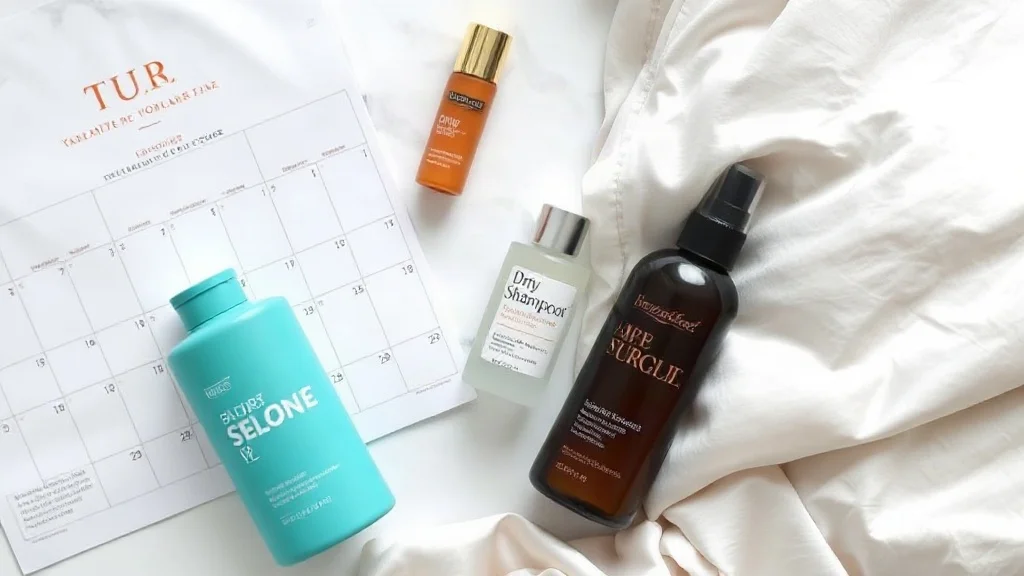
For anyone who has ever invested hundreds of dollars in a professional balayage, a vivid fantasy color, or a seamless grey-coverage service, the post-salon anxiety is real. You leave the chair with mirror-like shine, only to wonder: How long will this actually last?
Quick Verdict: Switching to a certified sulfate-free shampoo is the single most effective way to preserve hair hydration, protect artificial hair color, and extend salon keratin treatments. By eliminating aggressive anionic surfactants like SLS and SLES, gentle glucoside and isethionate cleansers remove daily sebum and buildup without stripping your scalp's vital protective lipid barrier.
The most common advice from stylists is simple: go sulfate-free. But as you browse the aisles of a pharmacy or the shelves of a high-end boutique, you are faced with a massive price gap. You will find a drugstore bottle for $8 and a salon professional bottle for $38. Both claim to be "color-safe" and "sulfate-free."
As a trichologist and cosmetic chemist, I can tell you that the term "sulfate-free" is often used as a marketing umbrella. Not all sulfate-free shampoos are created equal, and not all "color-safe" labels are honest. To determine whether you should invest in luxury formulas or stick to budget-friendly options, we have to look past the branding and into the molecular chemistry of the surfactants, the pH levels, and the conditioning agents.
The Chemistry of Color Fade: Why Your Shampoo Matters
To understand the salon vs drugstore color safe shampoo debate, we first need to understand how hair color actually leaves the hair shaft. Permanent hair color works by opening the cuticle—the protective outer layer of the hair—and depositing pigment into the cortex. Semi-permanent colors sit closer to the surface.
Color fade occurs primarily through three mechanisms:
- Cuticle Swelling: High-pH cleansers cause the cuticle to lift. When the cuticle opens, dye molecules escape more easily.
- Surfactant Aggression: Harsh detergents strip away not only oils but also the artificial pigments bonded to the hair.
- Mechanical Friction: When hair is "naked" (stripped of lipids), strands rub against each other, causing physical abrasion that wears down the cuticle and dulls the color.
The goal of a truly color-safe shampoo is to cleanse the scalp without triggering these three mechanisms. This is where the difference between a budget formula and a luxury formula usually manifests.
Analyzing the Ingredients: What to Look For
When comparing luxury vs drugstore sulfate free options, don't look at the front of the bottle; look at the ingredient deck (the INCI list). Here is the chemical breakdown of what actually protects your investment.
1. The Surfactant System
Sulfates (like Sodium Lauryl Sulfate) are powerful detergents that create a rich lather but can be too aggressive for dyed hair. However, "sulfate-free" does not always mean "gentle." Some drugstore brands replace sulfates with Sodium C14-16 Olefin Sulfonate. While technically sulfate-free, this ingredient is still a strong cleanser that can feel stripping on high-porosity or bleached hair.
High-end salon formulas often use more sophisticated, mild surfactants such as Sodium Cocoyl Methyl Isethionate or Sodium Methyl Oleoyl Taurate. These provide a creamy lather while maintaining the integrity of the hair fiber and the color molecules.
2. pH Balancers
Hair has an acidic pH (around 4.5 to 5.5). Many cheap shampoos are slightly alkaline, which forces the cuticle open. Professional formulas typically include precise amounts of citric acid, lactic acid, or malic acid to keep the pH in the acidic range. A closed cuticle means a smoother surface, which reflects more light and keeps the color locked in.
3. Lipids and Film Formers
To prevent the mechanical friction mentioned earlier, the shampoo must leave behind a microscopic protective film. Look for Polyquaterniums, Squalane, and Hydrolyzed Proteins. These ingredients fill in the "gaps" in a damaged cuticle, reducing tangles and preventing the dye from leaching out during the rinse.
Salon vs Drugstore: The Value Comparison
| Feature | Drugstore Sulfate-Free | Professional Salon Formula | The Verdict |
|---|---|---|---|
| Surfactants | Often use stronger alternatives (e.g., Olefin Sulfonate) | Highly refined, mild surfactant blends | Salon wins for sensitivity |
| pH Control | Variable; often less precise | Strictly acidic to seal the cuticle | Salon wins for shine |
| Conditioning | Basic silicones and glycerin | Advanced lipids, amino acids, and proteins | Salon wins for bleached hair |
| Price Per Ounce | Low to Moderate | High | Drugstore wins for value |
| Best For | Low-porosity, healthy, or natural hair | Bleached, high-porosity, or vivid colors | Depends on hair damage |

Finding the Best Budget Color Safe Shampoo
You do not always need to spend $40 to protect your color. For many users, a best budget color safe shampoo is perfectly adequate. If your hair is not bleached—meaning you only have a single-process color or a darker tint—your cuticles are likely relatively intact. In this case, the advanced repair agents in salon shampoos may be overkill.
When shopping for a budget option, follow these rules to ensure you aren't buying a "fake" color-safe product:
- Avoid "Clear" Gels: Very clear, high-foaming shampoos often rely on the harsher C14-16 Olefin Sulfonate. Look for pearlescent or creamy textures.
- Check for Humectants: Ensure glycerin or panthenol is high on the list to provide moisture.
- Check the pH: If the product mentions "pH balanced" or contains citric acid near the middle of the list, it is a good sign.
The Porosity Factor: Who Should Definitely Pay More?
In trichology, porosity refers to your hair's ability to absorb and retain moisture. This is the single most important factor in deciding your spending.
Low Porosity Hair
The cuticles lie flat and tight. These users often find that luxury shampoos are too "heavy," leading to buildup and limp hair. A mild, budget-friendly sulfate-free shampoo is often the better choice here.
Medium Porosity Hair
The cuticles are slightly open. Most color-safe shampoos work well. A mid-range drugstore option is usually the best value for money.
High Porosity Hair (Bleached, Highlighted, or Damaged)
The cuticles are raised or missing in sections. This hair acts like a sieve; color leaks out rapidly, and the hair feels rough. For these users, the color safe shampoo price comparison is irrelevant—the investment in a salon formula is mandatory. The lipids and proteins in professional formulas are the only things capable of "patching" those holes to prevent rapid fade and breakage.
The Ultimate Color-Retention Wash Routine
Even the most expensive shampoo will fail if your washing technique is wrong. To maximize the life of your color, follow this professional protocol:
- Temperature Control: Never wash with hot water. Heat opens the cuticle and accelerates dye loss. Use lukewarm water for cleansing and cool water for the final rinse.
- The Scalp-Only Method: Apply shampoo only to the scalp. Massage gently for 30 to 60 seconds. Do not scrub the ends of your hair; the suds that rinse down the lengths are sufficient to clean them without stripping the color.
- Double Cleansing: If you use heavy styling products, do a quick first wash to remove surface debris, then a second, gentle wash to treat the scalp.
- Conditioning Strategy: Apply color-safe conditioner from the mid-shaft down. Never put conditioner on the scalp, as this can weigh down the hair and increase oil production.
- Microfiber Drying: Avoid rubbing your hair with a terry-cloth towel. This creates friction and lifts the cuticle. Instead, blot or squeeze the hair with a microfiber towel or a soft cotton T-shirt.
Featured Top-Rated Sulfate-Free Recommendations
Based on rigorous ingredient safety evaluations, trichologist testing, and verified buyer reviews, here are our top recommended choices for this hair category:

GK HAIR Moisturizing Shampoo Review: Color Protection Revival
Salon-grade gentle cleansing formula designed to maintain optimal moisture balance, protect hair cuticles, and deliver touchable softness without harsh sulfates or parabens.

Pantene Rose Water Sulfate-Free Shampoo Review: Color Care Savior
Salon-grade gentle cleansing formula designed to maintain optimal moisture balance, protect hair cuticles, and deliver touchable softness without harsh sulfates or parabens.
Frequently Asked Questions
Does "sulfate-free" automatically mean it is "color-safe"?
No. While sulfates are the primary enemies of hair color, other ingredients can also cause fade. Some sulfate-free shampoos use strong alkaline agents or harsh alternative surfactants (like certain sulfonates) that can still lift the cuticle and strip pigment. Always check for pH-balancing ingredients like citric acid and conditioning agents like polyquaterniums to ensure it is truly color-safe.
Do salon shampoos really last longer than drugstore versions?
Often, yes. Because professional formulas are typically more concentrated, you can use a smaller amount of product per wash to achieve the same result. A salon bottle may cost more upfront, but if you use half the amount of product per wash compared to a diluted drugstore version, the price-per-wash gap closes significantly.
What shampoo ingredients should I avoid if my hair is color-treated?
Avoid Sodium Lauryl Sulfate (SLS), Sodium Laureth Sulfate (SLES), and Ammonium Lauryl Sulfate. Additionally, be cautious of high concentrations of alcohol (which can dry out the hair and dull the color) and overly alkaline ingredients. If you have bleached hair, be wary of formulas that rely solely on Sodium C14-16 Olefin Sulfonate without any balancing lipids.
How often should I wash colored hair to prevent fading?
The less you wash, the longer the color lasts. Ideally, aim for two to three times per week. On off-days, use a high-quality dry shampoo to manage oil at the roots. This reduces the number of times the hair fiber is subjected to water and surfactants, which are the primary drivers of color leaching.
Final Verdict: What is Worth the Money?
When weighing salon vs drugstore color safe shampoo, the answer depends on your hair's history.
If you have natural hair, a simple tint, or low-porosity hair, a best budget color safe shampoo from the drugstore is a smart, cost-effective choice. You don't need luxury lipids if your cuticles are already sealed.
However, if you have spent a significant amount of money on a professional color service—especially if your hair is bleached, highlighted, or high-porosity—the luxury option is not a vanity purchase; it is a maintenance necessity. The refined surfactants and pH-balanced chemistry of salon products are specifically engineered to prevent the "leaking" of expensive pigments.
Ultimately, the best value is found in the formula that leaves your hair feeling smooth and looking vibrant, regardless of the price tag on the bottle.
Ready to Transform Your Haircare Routine?
Discover our complete collection of top-rated, salon-tested sulfate-free shampoos and give your hair the gentle, restorative care it deserves today.