
How to Prevent Red & Vibrant Hair Color from Fading Down the Drain
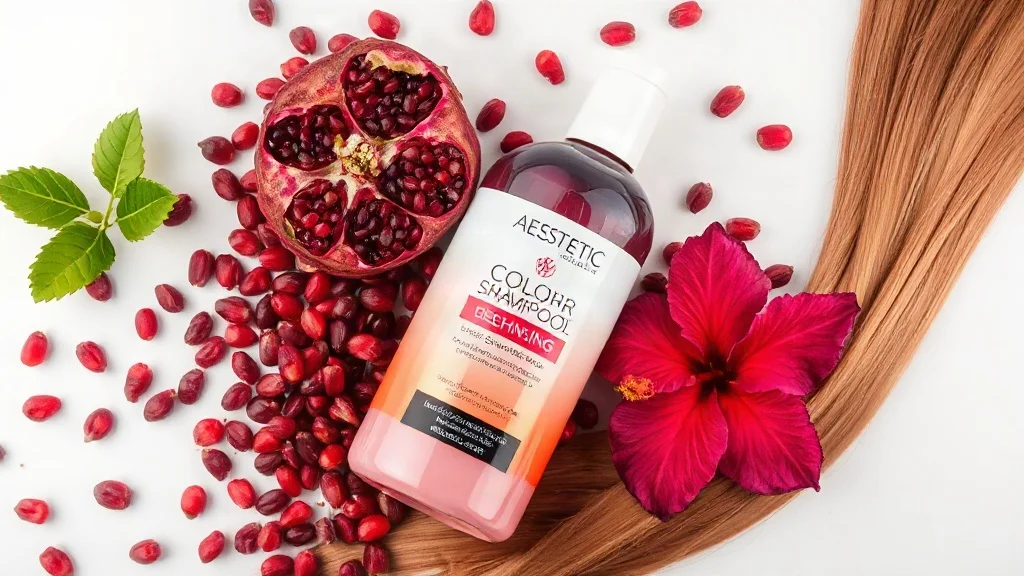
If you have ever stepped out of the shower after a fresh salon visit only to see a swirl of crimson or copper circling the drain, you know the heartbreak of red hair fade. Among all the shades in the color spectrum, red is notoriously the most volatile. Whether you are rocking a deep burgundy, a fiery copper, or a vivid fashion red, the battle to keep that saturation from slipping away begins the moment you leave the stylist's chair.
Quick Verdict: Switching to a certified sulfate-free shampoo is the single most effective way to preserve hair hydration, protect artificial hair color, and extend salon keratin treatments. By eliminating aggressive anionic surfactants like SLS and SLES, gentle glucoside and isethionate cleansers remove daily sebum and buildup without stripping your scalp's vital protective lipid barrier.
The reason red is so elusive isn't just a matter of perception; it is a matter of molecular chemistry. Red dye molecules are larger than those of other colors, making them more difficult for the hair shaft to absorb and, consequently, much easier for them to wash out. When combined with the porous nature of color-treated hair, the result is a rapid decline in vibrancy. To combat this, you need more than just a "color-safe" label—you need a strategic approach to surfactant chemistry, pH balance, and water temperature.
Does Sulfate-Free Shampoo Really Help Red Hair Last Longer?
The short answer is yes, but it is important to understand why from a cosmetic chemistry perspective. Sulfates—such as Sodium Lauryl Sulfate (SLS) and Sodium Laureth Sulfate (SLES)—are powerful surfactants. Their primary job is to lower the surface tension of water to trap oils and dirt, which they then rinse away. However, sulfates are non-selective; they don't just remove excess sebum, they also aggressively strip away the lipid layers of the hair and the artificial pigment molecules lodged within the cuticle.
When searching for a sulfate free shampoo for red hair fade, you are looking for a formula that cleanses without "over-stripping." By replacing harsh sulfates with gentle, non-ionic or amphoteric surfactants, you reduce the mechanical and chemical stress on the hair fiber. This minimizes the degree to which the hair cuticle opens during the wash process, effectively trapping the red pigment inside the cortex for a longer period.
However, a common misconception is that sulfate-free shampoo alone can completely stop red hair from fading. Because red molecules are so large and unstable, some fade is inevitable. The goal of using a sulfate-free, vibrant dyed hair shampoo is to slow the rate of attrition, extending the time between salon touch-ups and maintaining the richness of the tone.
The Chemistry of Color: What Actually Drives Red Hair Color Retention
To keep red hair vibrant, you must manage the state of the hair cuticle. The cuticle is the outermost layer of the hair shaft, consisting of overlapping scales. When the cuticle is lifted (open), pigment escapes. When the cuticle is flat (closed), the color is shielded.
The Role of Acidic pH
The pH scale is critical for color retention. Most hair and scalp naturally sit around a pH of 4.5 to 5.5. Many traditional shampoos are alkaline, which causes the hair shaft to swell and the cuticle to lift. Color-safe formulas are engineered to be slightly acidic. An acidic pH helps "seal" the cuticle, smoothing the hair surface and locking in the dye molecules. This is why products marketed as "acidic bonding" or "pH balanced" are highly effective for reds.
Surfactant Selection
Not all sulfate-free shampoos are created equal. The most effective formulas for red hair utilize mild cleansing agents that provide a low-lather experience but high efficiency. Look for these ingredients on the label:
- Coco-glucoside and Decyl glucoside: Extremely gentle surfactants derived from coconut and corn.
- Sodium Cocoyl Isethionate: Known as "baby foam," it cleanses without disrupting the skin or hair barrier.
- Sodium Lauroyl Methyl Isethionate: A high-performance, mild surfactant that provides a creamy lather without the stripping power of sulfates.
Lipids and Humectants
Red hair often feels drier than other colors because the oxidative process used to achieve vibrant reds can increase porosity. To counteract this, effective red-care shampoos incorporate lipids (oils) and humectants. Ingredients like camellia oil, pomegranate extract, and Vitamin E provide a lubricated layer over the hair shaft, reducing the friction that can physically wear away the cuticle.
Comparison: Harsh Sulfates vs. Gentle Color-Safe Alternatives
To better understand the impact of your shampoo choice, consider the following chemical comparison of common cleansing systems.
| Feature | Sulfate-Based Shampoos (SLS/SLES) | Sulfate-Free Color-Safe Shampoos | Impact on Red Hair |
|---|---|---|---|
| Cleansing Power | Aggressive / High Detergency | Gentle / Targeted Cleansing | High detergency strips red pigments rapidly. |
| Cuticle Effect | Lifts and opens the cuticle | Helps seal and flatten the cuticle | Open cuticles lead to "bleeding" color. |
| pH Level | Often Alkaline to Neutral | Typically Slightly Acidic (4.5-5.5) | Acidic pH is essential for red retention. |
| Moisture Profile | Strips natural lipids | Replenishes with emollients | Red hair needs extra lipids to prevent porosity. |
| Lather Quality | High, airy foam | Low to medium, creamy foam | Less lather often indicates less stripping. |

The Ultimate Wash Routine to Keep Red Hair Vibrant
Using the right shampoo is only half the battle. The way you wash your hair—the temperature, the frequency, and the technique—can either protect your investment or wash it down the drain.
1. The Cool Water Wash
Heat is the enemy of red hair. Hot water expands the hair shaft and lifts the cuticle, creating a wide-open door for dye molecules to escape. A cool water wash for red hair is one of the most effective non-product interventions you can implement. While you may enjoy a warm shower, try to rinse your conditioner with the coldest water you can tolerate. This "shocks" the cuticle closed, trapping the color and adding a natural shine by smoothing the hair surface.
2. Wash Frequency (The Less-is-More Rule)
Every single wash cycle results in some pigment loss. To maximize red hair color retention, reduce your washing frequency. Depending on your scalp type, aim for 2 to 3 times per week. In between washes, use a high-quality dry shampoo to manage oil at the roots without subjecting the lengths of your hair to water and surfactants.
3. Targeted Application
Avoid scrubbing your ends. Apply your sulfate-free shampoo primarily to the scalp and roots. As you rinse, the lather will naturally flow over the ends of your hair, providing sufficient cleansing without the mechanical friction that can damage the cuticle and accelerate fade.
4. The Power of Pigment Top-Ups
As mentioned, no shampoo can entirely stop red fade. The secret to professional-looking red hair between salon visits is the use of color-depositing conditioners or masks. These products contain direct dyes that sit on the surface of the hair and inside the cuticle, replacing the molecules you lose during washing. Use these once a week to "top up" the vibrancy.
Understanding Porosity and Why Your Red May Fade Faster
If you find that your red color vanishes faster than your friends', the culprit may be your hair's porosity. Porosity refers to the hair's ability to absorb and retain moisture.
Hair that has been bleached or heavily processed to achieve a vibrant red often has "high porosity." This means the cuticle has gaps or holes, making the hair act like a sponge. While high-porosity hair takes in color quickly, it also releases it just as fast. For those with high-porosity hair, the focus should be on filling those gaps. Using acidic rinses, leave-in conditioners with silicones or natural oils, and sulfate-free cleansers is non-negotiable to prevent the color from leaching out.
Ingredients to Avoid for Red Hair Care
When scanning the ingredient deck of your haircare products, be wary of the following:
- Sodium Lauryl Sulfate (SLS): The gold standard for stripping color.
- High Alcohol Content: Found in some drying shampoos or styling sprays, alcohol can lift the cuticle and dull the shine of red tones.
- Heavy Clarifying Agents: While a clarifying shampoo is occasionally necessary to remove buildup, using one weekly will strip your red pigment in record time.
Summary of the Red-Hair Retention Strategy
Maintaining vibrant red hair is a holistic process that combines chemical knowledge with disciplined habits. By switching to a sulfate free shampoo for red hair fade, you eliminate the primary chemical catalyst for color loss. By incorporating a cool water rinse and reducing wash frequency, you manage the physical environment of the hair shaft. Finally, by using acidic formulations and pigment top-ups, you ensure the cuticle remains sealed and the saturation remains high.
Featured Top-Rated Sulfate-Free Recommendations
Based on rigorous ingredient safety evaluations, trichologist testing, and verified buyer reviews, here are our top recommended choices for this hair category:

GK HAIR Moisturizing Shampoo Review: Color Protection Revival
Salon-grade gentle cleansing formula designed to maintain optimal moisture balance, protect hair cuticles, and deliver touchable softness without harsh sulfates or parabens.

Pantene Rose Water Sulfate-Free Shampoo Review: Color Care Savior
Salon-grade gentle cleansing formula designed to maintain optimal moisture balance, protect hair cuticles, and deliver touchable softness without harsh sulfates or parabens.
Frequently Asked Questions
Does sulfate-free shampoo really make red hair last longer?
Yes. Sulfates are powerful detergents that lift the hair cuticle and strip away dye molecules. Sulfate-free shampoos use gentler surfactants that cleanse the scalp without aggressively removing the artificial pigments from the hair cortex, significantly slowing the fading process.
Should I wash red hair with cold water?
Ideally, yes. Warm or hot water causes the hair shaft to swell and the cuticle to open, which allows red pigment to escape more easily. Rinsing with cool or cold water helps flatten the cuticle, locking in the color and enhancing the hair's natural reflectivity and shine.
How often should I wash red dyed hair?
To maximize color retention, you should wash your hair as infrequently as possible—typically 2 to 3 times per week. Using a dry shampoo between washes can help manage oil while avoiding the pigment loss associated with water and surfactant exposure.
Is a clarifying shampoo bad for red hair?
Clarifying shampoos are designed to remove deep-seated buildup, and they are generally very aggressive. While they are not "bad" in small doses, using them frequently will strip red color quickly. Use a clarifying shampoo only once every few weeks or when you notice significant product buildup, and always follow it with a deep conditioning treatment or a color-depositing mask.
Ready to Transform Your Haircare Routine?
Discover our complete collection of top-rated, salon-tested sulfate-free shampoos and give your hair the gentle, restorative care it deserves today.