
Purple Shampoo vs Sulfate-Free Color Safe Shampoo: When and How to Alternate
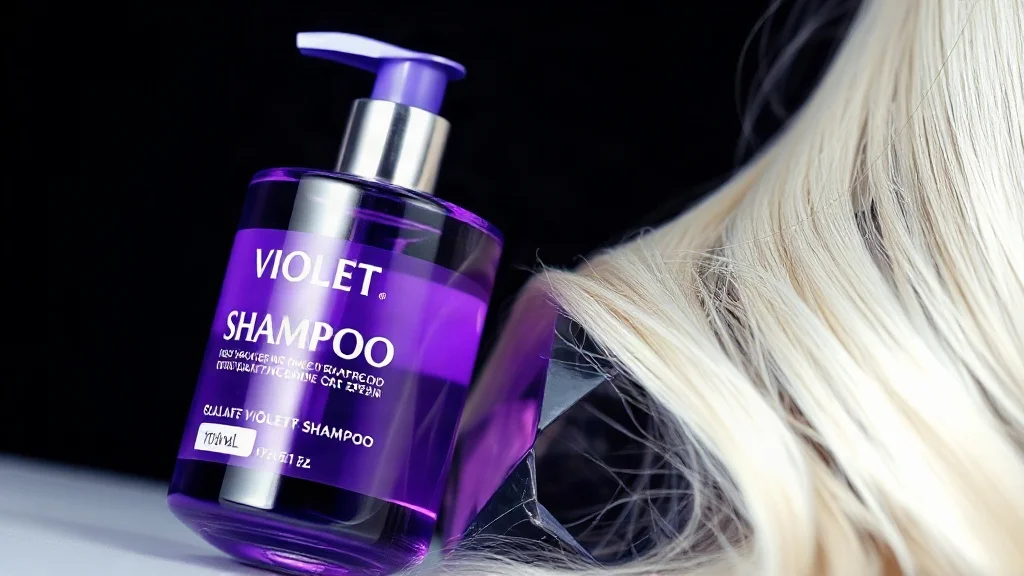
For anyone sporting bleached blonde, highlighted, or silver hair, the battle against brassiness is a constant struggle. You have likely encountered two primary weapons in your haircare arsenal: purple shampoo and sulfate-free color-safe shampoo. While they may both look like standard cleansers, they perform fundamentally different chemical functions on your hair shaft.
Quick Verdict: Switching to a certified sulfate-free shampoo is the single most effective way to preserve hair hydration, protect artificial hair color, and extend salon keratin treatments. By eliminating aggressive anionic surfactants like SLS and SLES, gentle glucoside and isethionate cleansers remove daily sebum and buildup without stripping your scalp's vital protective lipid barrier.
The most common mistake consumers make is viewing this as a choice of one versus the other. When you search for purple shampoo vs sulfate free shampoo, the answer is not about which is better, but rather which job you are trying to accomplish during that specific wash. One is a corrective treatment for tone; the other is a preservative treatment for health and color longevity.
As a trichologist and cosmetic chemist, I see too many clients over-toning their hair into a dull lavender hue or stripping their moisture barriers with harsh surfactants. To achieve salon-grade results at home, you must understand the chemistry of pigment deposition and the mechanics of the hair cuticle. Here is the definitive guide on how to alternate these two essential products for a vibrant, healthy blonde.
The Fundamental Difference: Tone Correction vs. Color Preservation
To understand why you need both, we must first look at the purpose of each formula. Purple shampoo is not designed to be your primary cleanser; it is a toning product. It utilizes the color wheel, where purple is the direct opposite of yellow, to neutralize warm, brassy tones that emerge as your salon toner fades or as environmental factors oxidize your hair.
On the other hand, a sulfate-free color-safe shampoo is designed for maintenance. Its primary goal is to remove sebum, sweat, and product buildup without lifting the hair cuticle or stripping away the artificial pigment molecules embedded in the cortex. By avoiding harsh sulfates, these shampoos ensure that your expensive color lasts longer and your hair remains hydrated.
In short: Purple shampoo equals tone correction, while sulfate-free shampoo equals maintenance and preservation.
The Chemistry of the Cleanse: An Ingredient Breakdown
The performance of these shampoos is dictated by their surfactant systems and additive agents. Sulfates like Sodium Lauryl Sulfate are powerful detergents that create a rich lather but can be overly aggressive, stripping the natural lipids from the hair and causing color molecules to leak out of the shaft.
Modern sulfate free blonde care relies on gentler alternatives. Below is a detailed chemical comparison of what you should look for in each product type.
| Feature | Purple (Toning) Shampoo | Sulfate-Free Color-Safe Shampoo |
|---|---|---|
| Primary Purpose | Neutralize yellow or orange tones | Cleanse without stripping color |
| Key Active Ingredient | Violet or purple direct pigments | Mild surfactants such as glucosides and betaines |
| Surfactant Profile | Varies; ideally sulfate-free but focused on pigment delivery | Strictly sulfate-free; low-friction cleansing |
| Conditioning Agents | Moderate; designed to offset toning dryness | High; humectants, lipids, and emollients |
| pH Balance | Slightly acidic to help pigment adhere | Optimized pH to keep the cuticle closed and flat |
| Usage Frequency | Occasional, usually 1 to 2 times per week | Every wash |
Understanding Hair Porosity and the Purple Trap
The effectiveness of a brassy hair wash routine depends heavily on your hair's porosity. Porosity refers to the hair's ability to absorb and retain moisture, which is determined by the state of the cuticle, the outermost layer of the hair shaft.
High Porosity: Bleached or Heavily Processed Hair
Bleaching lifts the cuticle, creating holes or gaps in the hair shaft. While this makes the hair more susceptible to dryness, it also means purple pigments enter the hair very quickly. If you use purple shampoo too frequently on high-porosity hair, you risk over-toning, where the hair takes on an unnatural gray or violet cast.
Low Porosity: Virgin or Slightly Processed Hair
Low-porosity hair has a tightly closed cuticle. This makes it harder for purple pigments to penetrate, meaning you may need to leave the toning shampoo on for slightly longer to see a visible difference in brassiness.
Because bleached hair is almost always high-porosity, the risk of damage is amplified. This is why alternating with a sulfate-free color-safe shampoo is non-negotiable. Constant toning can leave the hair feeling rough and tangled if not balanced with lipid-rich, sulfate-free cleansers.
How to Alternate: The Professional Routine
You should never use purple shampoo as your only cleanser. Doing so will eventually lead to dullness, dryness, and potentially an uneven tone. Instead, you should alternate purple shampoo with your color-safe cleanser based on your specific hair needs.
The Maintenance Model for Stable Blondes
If your color is well-maintained and only slightly warm, follow this rotation:
- Wash 1: Purple Shampoo to neutralize
- Wash 2: Sulfate-Free Color-Safe Shampoo to cleanse and hydrate
- Wash 3: Sulfate-Free Color-Safe Shampoo to preserve
The Corrective Model for High Brassiness
If you are experiencing significant yellow tones or have very porous hair that grabs pigment quickly:
- Wash 1: Purple Shampoo, concentrated on mid-lengths and ends
- Wash 2: Sulfate-Free Color-Safe Shampoo
- Wash 3: Sulfate-Free Color-Safe Shampoo
- Wash 4: Purple Shampoo, only if brass has returned
The Silver and Gray Model
Gray hair lacks the melanin of blonde hair but is prone to yellowing due to pollutants and UV exposure. Because gray hair can be coarse, a sulfate-free base is essential for softness.
- Use sulfate-free color-safe shampoo for 90 percent of your washes.
- Introduce purple shampoo only once every 7 to 10 days or when a yellow cast becomes visible.
- Keep contact time short to avoid a metallic silver look.
Step-by-Step Application for Maximum Results
To get the most out of your toning shampoo vs color safe rotation, the application technique matters as much as the product.
Using Purple Shampoo Effectively
- Saturate: Wet hair thoroughly. Pigments distribute more evenly on fully saturated hair.
- Target: Apply the purple shampoo primarily to the areas where brass is most prominent, usually the mid-lengths and ends. Avoid the roots if they are naturally cool-toned.
- Timing: Leave the product on for the time recommended by the manufacturer, usually 2 to 5 minutes. Do not leave it on for 20 minutes; this does not deep tone the hair but can cause dryness.
- Rinse: Rinse with cool water to help seal the cuticle and lock in the pigment.
- Condition: Always follow with a high-quality, moisturizing conditioner or a bond-building mask.
Using Sulfate-Free Color-Safe Shampoo
- Emulsify: Rub the shampoo between your palms first. Sulfate-free formulas do not foam as aggressively as traditional shampoos, but they are still cleaning effectively.
- Focus: Concentrate the cleanse on the scalp to remove oils.
- Gentle Rinse: Rinse thoroughly, ensuring no residue remains, which can make blonde hair look dull.
Common Pitfalls: When to Scale Back
Even with the best intentions, it is easy to overdo the toning process. As a chemist, I recommend watching for these three red flags:
- The Lavender Cast: If your hair looks slightly purple or gray in natural light, you have over-deposited pigment. Stop using purple shampoo immediately and switch to sulfate-free color-safe shampoo for several washes to gently lift the excess tone.
- The Texture Shift: If your hair feels straw-like or gritty, you may be over-using toning products. Purple shampoos are often more drying than standard color-safe options. Increase your use of lipids and deep conditioners.
- Dullness: When hair loses its glow and looks matte, it is often a sign of cuticle damage or pigment buildup. A sulfate-free clarifying wash can help reset the hair without stripping the base color.
Final Verdict: The Balanced Blonde Strategy
When weighing purple shampoo vs sulfate free shampoo, remember that they are teammates, not rivals. One manages the optics, which is the color, and the other manages the architecture, which is the health of the hair shaft.
For the healthiest, most vibrant blonde, the gold standard is a regimen that prioritizes sulfate-free cleansing for the majority of the week, reserving purple toning for strategic, weekly interventions. By respecting your hair's porosity and alternating your products, you can maintain that just-left-the-salon brightness without compromising the integrity of your hair.
Featured Top-Rated Sulfate-Free Recommendations
Based on rigorous ingredient safety evaluations, trichologist testing, and verified buyer reviews, here are our top recommended choices for this hair category:

GK HAIR Moisturizing Shampoo Review: Color Protection Revival
Salon-grade gentle cleansing formula designed to maintain optimal moisture balance, protect hair cuticles, and deliver touchable softness without harsh sulfates or parabens.

Pantene Rose Water Sulfate-Free Shampoo Review: Color Care Savior
Salon-grade gentle cleansing formula designed to maintain optimal moisture balance, protect hair cuticles, and deliver touchable softness without harsh sulfates or parabens.
Frequently Asked Questions
Is purple shampoo always sulfate-free?
No. Many budget-friendly purple shampoos still contain sulfates to create a thick lather. However, high-end professional lines are increasingly moving toward sulfate-free formulas. Always check the ingredient list for Sodium Lauryl Sulfate, commonly listed as SLS, or Sodium Laureth Sulfate, commonly listed as SLES. If your purple shampoo contains sulfates, it is even more critical to alternate it with a moisturizing, sulfate-free color-safe shampoo to prevent dryness.
Can purple shampoo replace my regular shampoo entirely?
Absolutely not. Purple shampoo is a corrective treatment. Because it contains pigments and often different surfactant balances, using it every day can lead to over-toning, turning the hair purple, and excessive dryness. Your regular sulfate-free color-safe shampoo provides the necessary hydration and gentle cleansing required for daily or frequent hair maintenance.
How often should blonde hair actually use purple shampoo?
For most blondes, once a week is sufficient. If your hair is extremely porous or you live in an area with hard water, which deposits minerals that increase brassiness, you may need it twice a week. The key is to monitor your tone. As soon as the yellow disappears, revert to your sulfate-free color-safe cleanser.
Will a sulfate-free shampoo alone stop my hair from turning brassy?
Sulfate-free shampoo will stop the color from fading faster, but it cannot stop brassiness entirely. Brassiness is caused by the oxidation of the hair and the natural emergence of underlying warm pigments. While a sulfate-free shampoo preserves the toner you already have, only a purple toning shampoo can actively neutralize new yellow tones as they appear.
Ready to Transform Your Haircare Routine?
Discover our complete collection of top-rated, salon-tested sulfate-free shampoos and give your hair the gentle, restorative care it deserves today.