
Does Sulfate-Free Shampoo Help Reduce Hair Loss and Follicle Clogging?
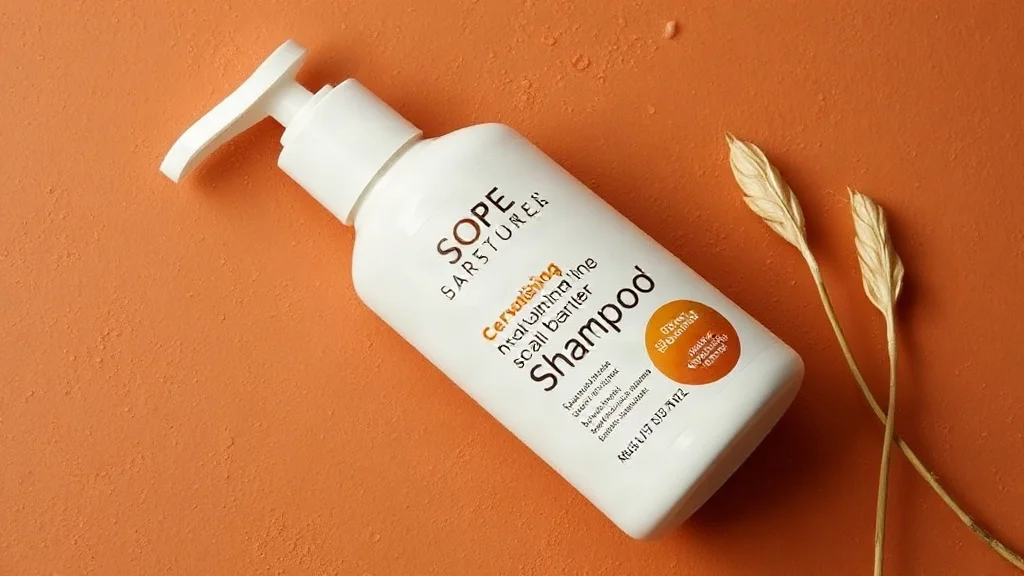
When searching for a solution to thinning hair or increased shedding, many consumers turn to the “sulfate-free” label as a potential cure. The logic seems sound: if sulfates are “harsh,” then removing them must be “gentle,” and gentle care must lead to better hair retention. However, the relationship between surfactants and hair loss is more nuanced than a simple yes or no.
Quick Verdict: Switching to a certified sulfate-free shampoo is the single most effective way to preserve hair hydration, protect artificial hair color, and extend salon keratin treatments. By eliminating aggressive anionic surfactants like SLS and SLES, gentle glucoside and isethionate cleansers remove daily sebum and buildup without stripping your scalp's vital protective lipid barrier.
To understand whether does sulfate free shampoo help hair loss, we must first distinguish between follicular shedding (where the hair falls out from the root) and breakage (where the hair snaps mid-shaft). While a gentle cleanser cannot regrow hair or treat genetic balding, it plays a critical role in maintaining the scalp barrier and reducing the mechanical fragility of the hair strand.
Does Sulfate-Free Shampoo Help Hair Loss? The Scientific Reality
The direct answer is that sulfate-free shampoo does not treat or cure clinical hair loss conditions such as androgenetic alopecia (pattern baldness) or telogen effluvium (stress-induced shedding). These conditions are driven by genetics, hormones, or systemic health issues occurring deep within the follicle, far below where shampoo ever reaches.
However, sulfate-free formulas can significantly reduce breakage-related hair loss. Sulfates—specifically Sodium Lauryl Sulfate (SLS) and Sodium Laureth Sulfate (SLES)—are powerful surfactants. Their job is to emulsify oils and rinse them away. For some, this process is too efficient, stripping the hair of its natural lipid layer and leaving the cuticle raised and vulnerable. When hair becomes overly dry and brittle, it snaps during brushing or styling. This creates the appearance of hair loss, even though the follicle remains intact.
By switching to a gentle shampoo for hair fall and breakage, you maintain the integrity of the hair shaft and reduce the irritation of the scalp, which supports a healthier overall environment for your hair to thrive.
Sulfates, Follicle Clogging, and Scalp Inflammation
A common claim in beauty forums is that sulfates “clog follicles” or, conversely, that sulfate-free shampoos are necessary to “open” them. From a cosmetic chemistry perspective, this is largely a misconception. Sulfates are cleansers; they are designed to remove debris, not create it. They do not “clog” follicles in the way a heavy pomade or occlusive oil might.
The real issue is follicle inflammation and scalp barrier disruption. For individuals with sensitive skin or seborrheic dermatitis, harsh sulfates can strip the scalp’s natural acid mantle. This disruption can lead to:
- Increased Inflammation: A compromised scalp barrier is more susceptible to irritants, which can cause itching and redness.
- Overproduction of Sebum: In some cases, stripping the scalp too aggressively triggers a “rebound effect” where the skin overproduces oil to compensate for the dryness.
- Residue Accumulation: While sulfates are great at cleaning, some very mild sulfate-free shampoos may not cleanse oily scalps effectively, leading to a buildup of sebum and dead skin cells that can cause discomfort.
Therefore, while sulfates don’t cause permanent follicle damage, reducing follicle inflammation sulfates-related irritation can create a more stable environment. A healthy scalp barrier is the foundation for hair growth, ensuring that the follicle is not hindered by chronic inflammation or extreme dryness.
The Chemistry of Clean: Sulfates vs. Sulfate-Free Surfactants
To understand why a sulfate-free option feels different, we have to look at the molecular structure of the cleansers. Sulfates are anionic surfactants with a high “critical micelle concentration,” meaning they are incredibly efficient at lifting oil but can also penetrate the skin barrier and disrupt proteins.
Modern cosmetic chemistry has developed sophisticated alternatives that provide the “clean” feeling without the aggressive stripping. The following table breaks down the common chemistry found in high-performance sulfate-free shampoos.
| Surfactant Type | Common Examples | Action & Benefit | Best For |
|---|---|---|---|
| Isethionates | Sodium Cocoyl Isethionate | Creates a creamy, dense foam; very low irritation potential. | Dry, sensitive scalps; curly hair. |
| Sarcosinates | Sodium Lauroyl Sarcosinate | Effective cleansing with a mild profile; improves foam stability. | Normal to oily hair needing gentleness. |
| Glucosides | Decyl Glucoside, Coco Glucoside | Non-ionic, extremely gentle; biodegradable. | Infant care, hyper-sensitive skin. |
| Betaines | Cocamidopropyl Betaine | Amphoteric co-surfactant; reduces the harshness of other cleansers. | All hair types (used as a booster). |
| Sulfates (Traditional) | SLS, SLES | Aggressive degreasing; high foaming capacity. | Heavy product buildup; very oily hair. |

Who Should Actually Switch to Sulfate-Free?
Not everyone needs a sulfate-free shampoo. In fact, people with very oily scalps or those who use heavy silicone-based styling products may find that sulfate-free options leave behind residue. However, you should prioritize a gentle shampoo if you fall into these categories:
1. High-Porosity or Chemically Treated Hair
Hair that has been bleached, colored, or permed has a lifted cuticle. Sulfates can enter these gaps more easily, stripping the internal moisture and leading to rapid breakage. Sulfate-free formulas keep the cuticle smoother and preserve color longevity.
2. Curly and Coiled Textures
Natural oils (sebum) take longer to travel down a curly hair shaft than a straight one. Consequently, the ends of curly hair are naturally drier. Using harsh sulfates often results in “poofiness” and fragility, making the hair prone to snapping.
3. Sensitive or Itchy Scalps
If your scalp feels tight or itchy immediately after washing, you may be experiencing a disrupted scalp barrier. Switching to a formula rich in betaines or glucosides can reduce this irritation.
4. Thinning-Looking Hair
If your hair looks thinner because it is breaking off mid-shaft, a sulfate-free system combined with cationic polymers (for slip) will reduce the friction during combing, preserving the length and volume you have.
Identifying the Culprit: Breakage vs. Shedding
To determine if a sulfate-free shampoo will help your specific situation, you must identify why you are losing hair. Use this guide to differentiate between the two:
- Follicular Shedding: Look at the hair that has fallen out. If there is a small, white, bulb-like structure at the end, the hair has come from the root. This is usually hormonal, stress-related, or genetic. Sulfate-free shampoo will not stop this process.
- Breakage: If the fallen hairs are short, irregular in length, and have no bulb at the end, they are snapped. This is often caused by dryness, heat damage, or harsh surfactants. A sulfate-free shampoo is highly effective here.
The Ultimate Wash Routine for Fragile and Thinning-Looking Hair
The ingredients in your bottle matter, but how you apply them is equally important. For those struggling with hair fall and breakage, follow this professional trichology-backed routine:
- Lukewarm Prep: Thoroughly wet your hair with lukewarm water. Avoid hot water, as it lifts the cuticle and increases the risk of stripping.
- Emulsification: Do not apply shampoo directly to your scalp. Rub a small amount between your palms first to emulsify the surfactants; this ensures an even distribution and prevents concentrated “hot spots” of cleanser.
- Targeted Cleansing: Focus the shampoo exclusively on the scalp. The suds that rinse down the lengths are sufficient to clean the ends without over-drying them.
- Gentle Massage: Use the pads of your fingertips—never your nails—to massage the scalp for 30 to 60 seconds. This stimulates blood flow without causing micro-abrasions.
- Conditioning Logic: Apply conditioner from the mid-lengths to the ends. Never put conditioner on the scalp, as this can lead to the very buildup and residue that people fear.
- Tangle Management: Detangle your hair while the conditioner is still in using a wide-tooth comb. This provides “slip” and prevents the hair from snapping.
- Microfiber Drying: Blot your hair with a microfiber towel or a cotton T-shirt. Rubbing with a standard terry-cloth towel creates friction that can snap fragile hairs.
Summary: The Verdict on Sulfate-Free Shampoos
When asking does sulfate free shampoo help hair loss, it is important to manage expectations. It is not a medical treatment for alopecia, nor is it a miracle growth serum. However, it is a powerful tool for hair preservation.
By reducing the risk of breakage, soothing the scalp barrier, and preventing the over-stripping of natural lipids, sulfate-free shampoos help you keep the hair you have. For those with sensitive scalps or high-porosity hair, the transition can lead to a noticeable increase in hair density simply because fewer strands are snapping off throughout the day.
Featured Top-Rated Sulfate-Free Recommendations
Based on rigorous ingredient safety evaluations, trichologist testing, and verified buyer reviews, here are our top recommended choices for this hair category:

Revive Aging Hair: Rosemary & Biotin Shampoo Review
Salon-grade gentle cleansing formula designed to maintain optimal moisture balance, protect hair cuticles, and deliver touchable softness without harsh sulfates or parabens.

L'Oreal EverPure Sulfate-Free Shampoo: Thicken Aging Hair
Salon-grade gentle cleansing formula designed to maintain optimal moisture balance, protect hair cuticles, and deliver touchable softness without harsh sulfates or parabens.
Frequently Asked Questions
Can sulfates cause permanent hair loss?
There is no strong clinical evidence to suggest that sulfates cause permanent follicular death or permanent baldness. They are surfactants that clean the surface of the skin and hair. While they can cause irritation or dryness that leads to breakage, they do not destroy the hair follicle itself.
Will a sulfate-free shampoo make my hair greasy?
For some, yes. If you have a very oily scalp or use heavy styling products (like waxes or silicones), a very mild sulfate-free shampoo may not remove all the buildup. The solution is to use a “balanced” sulfate-free formula that combines several different types of surfactants or to use a clarifying sulfate-based shampoo once every two weeks to “reset” the scalp.
Is sulfate-free shampoo better for thinning hair?
Yes, primarily because thinning hair is often more fragile. When hair density is lower, each individual strand becomes more precious. Using a gentle cleanser reduces the risk of breakage, ensuring that the remaining hair stays as long and healthy as possible, which improves the overall appearance of volume.
Does shampoo cause follicle clogging?
Shampoo itself does not typically clog follicles because it is a rinse-off product. However, if you use a shampoo that is too weak for your scalp type, or if you fail to rinse your conditioner out properly, a buildup of sebum and product residue can occur. This “scalp congestion” can lead to inflammation, but it is a result of inadequate cleansing or poor rinsing rather than the presence of sulfates.
Ready to Transform Your Haircare Routine?
Discover our complete collection of top-rated, salon-tested sulfate-free shampoos and give your hair the gentle, restorative care it deserves today.