
Why Gray & Silver Hair Turns Brittle and Yellow (And How Sulfate-Free Care Restores Luster)
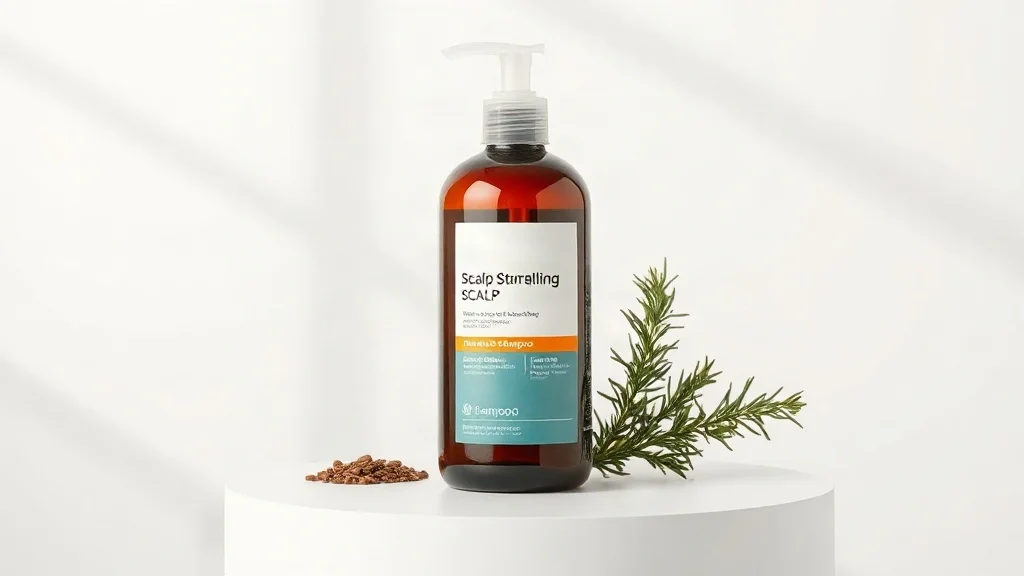
For many, the transition to silver, gray, or white hair is a journey toward a sophisticated, luminous look. However, the reality of natural aging hair often diverges from the glossy imagery seen in magazines. Many find that as their pigment fades, their hair transforms—becoming wiry, coarse, and prone to a stubborn, brassy yellow cast. This is not a failure of genetics, but a result of fundamental changes in the hair's biological structure.
Quick Verdict: Switching to a certified sulfate-free shampoo is the single most effective way to preserve hair hydration, protect artificial hair color, and extend salon keratin treatments. By eliminating aggressive anionic surfactants like SLS and SLES, gentle glucoside and isethionate cleansers remove daily sebum and buildup without stripping your scalp's vital protective lipid barrier.
The secret to maintaining a brilliant, mirror-like shine lies in understanding the chemistry of the gray hair fiber. Because silver hair lacks the protective melanin and natural sebum of pigmented hair, it is uniquely vulnerable to environmental stressors. To combat this, the shift toward a sulfate free shampoo for gray hair is not just a beauty trend; it is a physiological necessity for maintaining the integrity of the hair cuticle.
The Science of Silver: Why Gray Hair Becomes Brittle and Yellow
To understand why silver hair requires specialized care, we must first look at the anatomy of the hair shaft. Gray hair is not simply "colorless"; it is structurally different from the pigmented hair you had in your youth. As follicles age, they produce less melanin and, crucially, fewer lipids (natural oils) to coat the hair shaft.
The Porosity Problem
Gray hair typically possesses a more porous cuticle. The cuticle consists of overlapping scales that protect the inner cortex. In silver hair, these scales often lift or become less compact. This increased porosity leads to two primary issues: moisture loss and environmental absorption. When moisture escapes, the hair becomes brittle, stiff, and "coarse" to the touch. Simultaneously, the open cuticle acts like a sponge, absorbing external pollutants.
The Chemistry of Yellowing
The "yellowing" of silver hair is essentially a staining process. Because the hair lacks pigment to mask it, external deposits become highly visible. Common culprits include:
- UV Radiation: Sunlight breaks down the remaining protein structures, leading to a yellow tint.
- Pollution and Smoke: Particulate matter from urban environments settles into the porous cuticle.
- Mineral Buildup: Hard water containing iron or copper can oxidize on the hair surface, creating a brassy or orange hue.
- Chlorine: Pool chemicals can strip the remaining lipids and leave a chemical residue that dulls the luster.
The Sulfate Struggle: Why Your Standard Shampoo is Failing You
Most conventional shampoos rely on sulfates—such as Sodium Lauryl Sulfate (SLS) or Sodium Laureth Sulfate (SLES)—which are powerful surfactants. Their job is to bind to oil and dirt and wash them away. While effective for oily scalps, sulfates are often too aggressive for the fragile nature of silver hair.
When you use a high-sulfate cleanser on porous gray hair, you are not just removing dirt; you are stripping away the precious, dwindling supply of natural sebum and lipids. This leaves the cuticle wide open and the fiber dehydrated. The result is a vicious cycle: the more you wash with harsh sulfates, the more brittle the hair becomes, and the more susceptible it is to the yellowing agents mentioned above.
Switching to a sulfate free silver shampoo breaks this cycle. By utilizing milder cleansing agents, you can remove impurities without compromising the hair's structural integrity, allowing for better moisture retention and a smoother surface that reflects light more efficiently.

The Gold Standard of Ingredients for Natural Gray Hair Care
A world-class formula for silver hair must do more than just clean; it must treat, tone, and protect. As a cosmetic chemist, I look for a specific synergy of surfactants, humectants, and lipids to achieve coarse gray hair softening.
1. Gentle Surfactant Systems
Instead of sulfates, professional-grade sulfate-free formulas utilize glucosides and taurates. These molecules are larger and less irritating, providing a rich lather without penetrating too deeply into the cortex.
- Decyl Glucoside and Coco-Glucoside: Derived from sugar and coconut, these provide effective cleansing while remaining biodegradable and gentle.
- Sodium Methyl Cocoyl Taurate: Offers an excellent foam profile and helps maintain a balanced pH, ensuring the cuticle remains closed.
2. Lipids for Luster and Slip
To counteract the brittleness of silver hair, the formula must replace lost lipids. Botanical oils are essential for reducing friction and adding shine.
- Avocado and Chia Oil: Rich in omega fatty acids that penetrate the hair shaft to improve elasticity.
- Pomegranate and Sunflower Seed Oil: These provide a lightweight film over the cuticle, creating a barrier against pollutants and enhancing light reflection.
3. Humectants for Flexibility
Hydration is the enemy of brittleness. Humectants draw moisture from the air into the hair fiber.
- Glycerin and Panthenol (Pro-Vitamin B5): These ingredients penetrate the cuticle to plump the hair fiber, reducing the "wiry" feel.
- Sodium Hyaluronate: A powerful moisture-binder that ensures the hair remains supple throughout the day.
4. Toning Agents and Proteins
To address yellowing, the inclusion of violet or blue pigments is critical. Because purple is opposite yellow on the color wheel, these pigments neutralize brassy tones on contact. Furthermore, hydrolyzed proteins (such as rice or soy) fill in the gaps of a porous cuticle, strengthening the fiber and reducing breakage.

Comparative Chemistry: Sulfates vs. Sulfate-Free for Silver Hair
The following table breaks down the functional differences in how these two systems interact with gray hair fibers.
| Feature | Conventional Sulfate Shampoos | Premium Sulfate-Free Silver Care |
|---|---|---|
| Cleansing Mechanism | Aggressive lipid stripping via strong anionic surfactants. | Mild, selective cleansing via glucosides and taurates. |
| Impact on Cuticle | Often lifts the cuticle, increasing porosity. | Maintains cuticle integrity; promotes a flatter surface. |
| Moisture Retention | Low; often requires heavy silicones to "fake" softness. | High; uses humectants and lipids for genuine hydration. |
| Toning Efficiency | Pigments may wash away quickly due to harsh stripping. | Pigments adhere better to a healthy, balanced fiber. |
| Hair Texture | Can leave gray hair feeling "straw-like" or stiff. | Promotes softening of coarse, wiry textures. |
The Ultimate Routine for Silver Hair Yellowing Prevention
Using the right products is only half the battle. To maintain a brilliant silver luster, you must implement a strategic washing and care routine designed to protect the porous nature of your hair.
- The Lukewarm Start: Begin with a thorough rinse using lukewarm water. Avoid hot water, as excessive heat further opens the cuticle and strips natural oils, exacerbating brittleness.
- Targeted Cleansing: Apply your sulfate free shampoo for gray hair primarily to the scalp. Massage gently with your fingertips. Avoid scrubbing the ends of your hair, as the friction can cause breakage in brittle silver fibers.
- Strategic Toning: If using a purple-toned sulfate-free shampoo, allow the product to sit on the hair for 2 to 5 minutes. This gives the violet pigments time to bond with the hair shaft and neutralize yellow tones.
- Deep Conditioning: Follow with a conditioner rich in peptides and botanical oils. Focus on the mid-lengths to the ends. This seals the cuticle that was opened during cleansing.
- The Cool Rinse: Finish your shower with a blast of cool water. This helps "snap" the cuticle shut, locking in moisture and creating a smoother surface for maximum shine.
- Environmental Shielding: Since silver hair is prone to staining, use a leave-in conditioner or a light hair oil with UV filters when spending time outdoors to prevent sun-induced yellowing.
Summary: Investing in Your Silver Glow
Silver hair is a statement of elegance, but it requires a different chemical approach than pigmented hair. The transition from harsh surfactants to a sulfate free shampoo for gray hair is the most impactful change you can make. By prioritizing gentle cleansing, lipid replacement, and strategic toning, you move from merely managing "gray hair" to showcasing a luminous, silver mane.
Remember, the goal is not to strip the hair clean, but to nourish it into submission. When you combine the right cosmetic chemistry with a protective routine, you eliminate the brittle texture and brassy tones, replacing them with the softness and luster that silver hair deserves.
Featured Top-Rated Sulfate-Free Recommendations
Based on rigorous ingredient safety evaluations, trichologist testing, and verified buyer reviews, here are our top recommended choices for this hair category:

Revive Aging Hair: Rosemary & Biotin Shampoo Review
Salon-grade gentle cleansing formula designed to maintain optimal moisture balance, protect hair cuticles, and deliver touchable softness without harsh sulfates or parabens.

L'Oreal EverPure Sulfate-Free Shampoo: Thicken Aging Hair
Salon-grade gentle cleansing formula designed to maintain optimal moisture balance, protect hair cuticles, and deliver touchable softness without harsh sulfates or parabens.
Frequently Asked Questions
Why does my gray hair feel so much coarser than my original hair?
The coarse texture is caused by a combination of decreased sebum production and changes in the hair follicle's shape. As we age, the scalp produces fewer oils, leaving the hair shaft unprotected. Additionally, the cuticle of gray hair is often more irregular and porous, which creates more friction between strands, resulting in that characteristic "wiry" or "stiff" feel. Using a sulfate-free system with added emollients like avocado oil can help smooth this texture.
How often should I use a purple sulfate-free shampoo to prevent yellowing?
Frequency depends on your exposure to the elements. For most, using a toning shampoo 1 to 2 times per week is sufficient. Overusing purple shampoo can occasionally lead to an over-toned look (a slight lilac or blue cast). The key is to balance your toning shampoo with a highly moisturizing, non-toning sulfate-free shampoo to ensure the hair remains hydrated and doesn't become dry from the pigments.
Can I use a sulfate-free shampoo and still get a good lather?
Yes. Modern cosmetic chemistry has evolved beyond the need for sulfates to create foam. Ingredients like Sodium Methyl Cocoyl Taurate and Coco-Glucoside produce a creamy, satisfying lather that effectively lifts impurities without the aggressive stripping action of SLS. While the bubbles may feel slightly different, the cleansing efficacy is equal, and the benefit to the hair fiber is significantly higher.
Is it true that hard water makes silver hair turn yellow?
Absolutely. Hard water contains high concentrations of minerals like calcium, magnesium, and iron. These minerals can build up on the porous cuticle of gray hair, creating a film that reflects yellow or orange light. To combat this, we recommend using a sulfate-free clarifying treatment once every two weeks or installing a shower filter to remove these minerals before they reach your hair.
Ready to Transform Your Haircare Routine?
Discover our complete collection of top-rated, salon-tested sulfate-free shampoos and give your hair the gentle, restorative care it deserves today.