
Curly Girl Method Approved Shampoos: Low-Poo Cleansers That Actually Cleanse Scalp Buildup
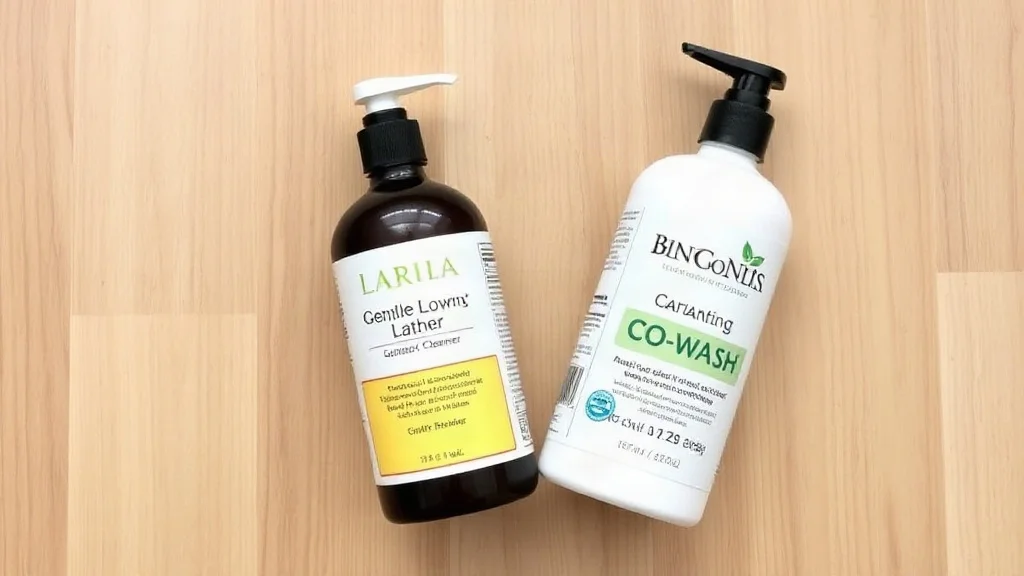
For many followers of the Curly Girl Method (CGM), the transition to a sulfate-free routine feels like a liberation. You stop the cycle of stripping your hair with harsh detergents, and your curls finally begin to retain the moisture they crave. However, there is a common "wall" that curly-haired individuals hit after a few months: the buildup plateau. You might notice your curls feeling limp, your scalp feeling slightly oily, or your hair appearing dull despite using high-end conditioners.
Quick Verdict: Switching to a certified sulfate-free shampoo is the single most effective way to preserve hair hydration, protect artificial hair color, and extend salon keratin treatments. By eliminating aggressive anionic surfactants like SLS and SLES, gentle glucoside and isethionate cleansers remove daily sebum and buildup without stripping your scalp's vital protective lipid barrier.
The culprit is often a misunderstanding of how a curly girl method sulfate free shampoo actually works. There is a significant difference between a product that is "sulfate-free" and a product that effectively cleanses the scalp. To achieve the elusive balance of moisture retention and scalp hygiene, you need to understand the chemistry of "low-poo" cleansers and how to match them to your specific hair porosity and scalp needs.
Understanding Low-Poo: The Science of Gentle Cleansing
In the world of CGM, "low-poo" refers to shampoos that avoid harsh anionic surfactants like Sodium Lauryl Sulfate (SLS) or Sodium Laureth Sulfate (SLES). These traditional sulfates are highly efficient at removing oil, but they are too aggressive for the curly hair cuticle, which is naturally more prone to lifting and dryness.
A truly curly girl approved shampoo replaces these harsh agents with a strategic blend of mild surfactants. These molecules are designed to encapsulate oils and water-soluble residues without disrupting the lipid barrier of the hair shaft. However, because these surfactants are gentler, they often require a different application technique and a deeper understanding of the ingredient list to ensure they are actually removing buildup rather than just moving it around.
The Chemistry of the Cleanse: Surfactants That Work
When scanning an INCI (International Nomenclature of Cosmetic Ingredients) list, you aren't just looking for the absence of sulfates; you are looking for the presence of effective, curl-safe cleansers. The most successful formulas use a "surfactant system"—a combination of different cleanser types to optimize foam, slip, and cleaning power.
- Glucosides (Decyl, Coco, Lauryl Glucoside): These are nonionic surfactants derived from sugars. They are incredibly gentle on the skin and are excellent for those with sensitive scalps, though they may lack the "oomph" needed for heavy styling wax removal.
- Betaines (Cocamidopropyl Betaine): An amphoteric surfactant that acts as a secondary cleanser. It boosts the foam of the shampoo and reduces the irritation potential of other ingredients.
- Isethionates (Sodium Cocoyl Isethionate): Often called "baby foam," this is one of the gold standards for cg method low poo. It provides a creamy lather and cleanses effectively without stripping the hair.
- Glutamates (Disodium Cocoyl Glutamate): These are amino acid-based surfactants that are extremely mild and biodegradable, making them ideal for high-porosity hair that needs maximum protection.
The Buildup Battle: Why Some Sulfate-Free Shampoos Fail
A common complaint among curly community members is that their hair feels "coated" after switching to a sulfate-free routine. This happens for three primary reasons: surfactant insufficiency, polymer accumulation, and hard water minerals.
Surfactant Insufficiency: Some "ultra-gentle" shampoos rely solely on very mild glucosides. While safe, these may not be strong enough to break down heavy sebum or thick styling creams. This leads to a scalp that feels greasy even after washing.
Polymer Accumulation: Many sulfate-free shampoos add conditioning polymers like Polyquaternium-10 or Guar Hydroxypropyltrimonium Chloride to provide "slip." While these help with detangling, they can build up over time—especially on low-porosity hair—creating a film that prevents moisture from entering the hair shaft.
The Hard Water Factor: If you live in an area with hard water, calcium and magnesium minerals bind to your hair and the surfactants in your shampoo. This creates a "scum" that makes hair feel sticky and dull. In these cases, a standard low-poo is not enough; you need a clarifying curly girl cleanser containing chelating agents.
Matching Your Shampoo to Your Hair Porosity
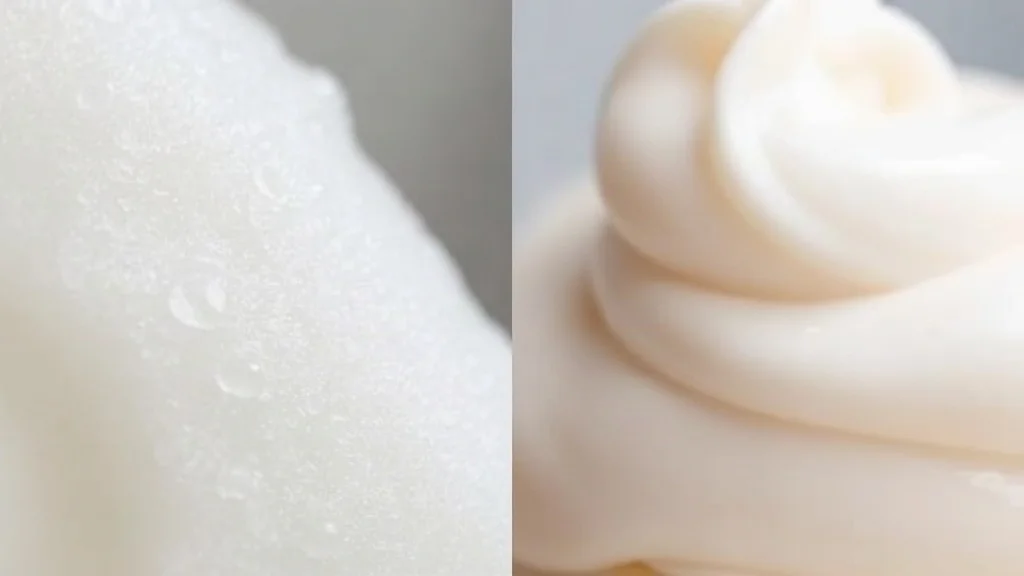
Porosity—the hair's ability to absorb and retain moisture—should dictate which sulfate silicone free shampoo curls you choose. Using a high-lipid shampoo on low-porosity hair is a recipe for buildup, while using a stripping cleanser on high-porosity hair leads to frizz.
Low Porosity Curls
Low porosity hair has tightly closed cuticles. It is highly prone to buildup because products sit on the surface rather than penetrating. For this hair type, avoid shampoos with heavy oils or butters (like shea butter) in the cleansing stage. Opt for lightweight, gluscoside-based cleansers and use a clarifying wash more frequently to keep the cuticle clear.
Medium Porosity Curls
Medium porosity is the "sweet spot." These curls typically tolerate a wide range of low-poo formulas. A balanced blend of isethionates and betaines usually provides the perfect level of cleanse and moisture.
High Porosity Curls
High porosity hair has gaps and holes in the cuticle, meaning moisture escapes as quickly as it enters. These curls need the most protection. Look for sulfate-free shampoos that incorporate lipids (like argan or sunflower oil) and humectants (like aloe vera or glycerin) to help seal the cuticle during the cleansing process.
Ingredient Comparison: Low-Poo vs. Clarifying vs. Traditional
To help you navigate the drugstore or salon aisles, the following table breaks down the chemical differences between cleansing systems.
| Feature | Traditional Shampoo | CGM Low-Poo | Clarifying CG Cleanser |
|---|---|---|---|
| Primary Surfactant | SLS / SLES (Harsh Anionics) | Isethionates / Glucosides | Stronger Sulfate-Free Blends |
| Cleaning Power | Very High (Stripping) | Moderate (Gentle) | High (Residue Removal) |
| Moisture Retention | Low (Opens Cuticle) | High (Preserves Lipids) | Moderate |
| Key Additives | Silicones / Drying Alcohols | Aloe, Glycerin, Light Oils | Chelators (e.g., Sodium Phytate) |
| Frequency | Daily / Regular | Every Wash | Once every 2-4 weeks |
The Master Wash Routine for Buildup-Free Curls
Using the right product is only half the battle; technique is what ensures the scalp is actually clean. Follow this professional protocol to maximize the efficacy of your curly girl method sulfate free shampoo.
- The Pre-Saturate: Spend at least three full minutes rinsing your hair with warm water. Warmth helps open the cuticle slightly and loosens surface debris, making the low-poo's job easier.
- Sectioned Application: Do not simply dump shampoo on the crown of your head. Apply your cleanser in sections directly to the scalp. This ensures every square inch of the scalp is treated.
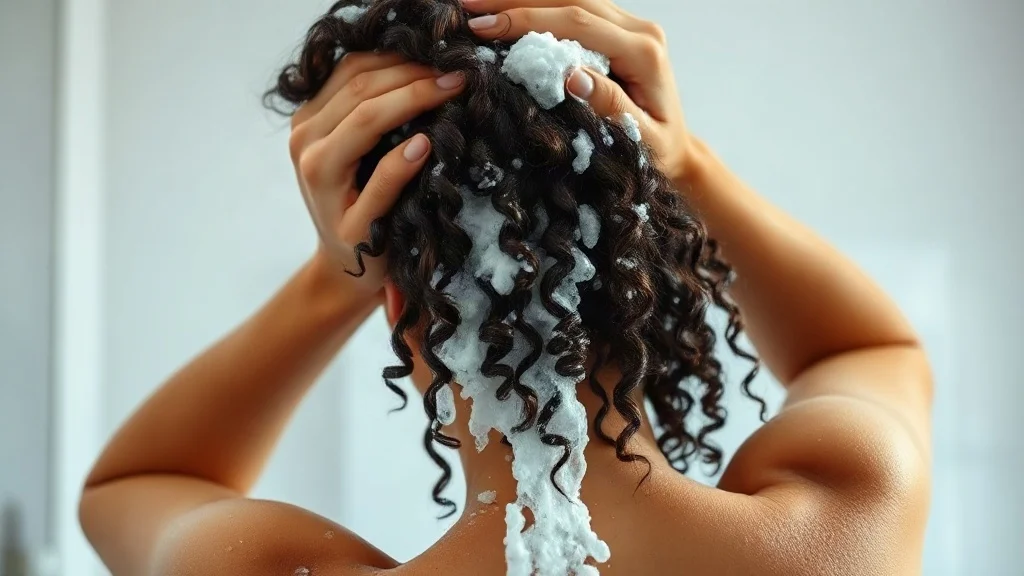
- The Finger-Pad Massage: Use the pads of your fingers (never your nails) to vigorously massage the scalp for 60 seconds. Because sulfate-free surfactants have lower "flash foam," you need physical agitation to break up sebum and product buildup.
- The Passive Rinse: Do not scrub your ends. As you rinse the shampoo from your scalp, let the suds glide down the lengths of your hair. This provides enough cleansing for the ends without causing mechanical damage or dryness.
- The Reset Wash: Every 2 to 4 weeks, replace your low-poo with a clarifying curly girl cleanser. This "resets" the hair by removing the accumulated polymers and minerals that low-poo cannot touch.
Common Pitfalls to Avoid in Your CGM Journey
Even with the best ingredients, certain habits can undermine your results. To keep your curls bouncy and your scalp fresh, avoid these common mistakes:
- Over-reliance on Co-Washing: While conditioning cleansers are great for some, using them exclusively can lead to severe scalp buildup (seborrheic dermatitis in extreme cases). Most curl types need a surfactant-based low-poo to maintain scalp health.
- Ignoring the Water Quality: If your hair feels "waxy" despite using a curly girl approved shampoo, check your water hardness. Switching to a filtered showerhead can drastically improve how your sulfate-free products perform.
- Avoiding the Scalp during Conditioning: Never apply conditioner to your roots. This creates immediate buildup and can weigh down the root volume, making it seem like your shampoo isn't working.
Featured Top-Rated Sulfate-Free Recommendations
Based on rigorous ingredient safety evaluations, trichologist testing, and verified buyer reviews, here are our top recommended choices for this hair category:
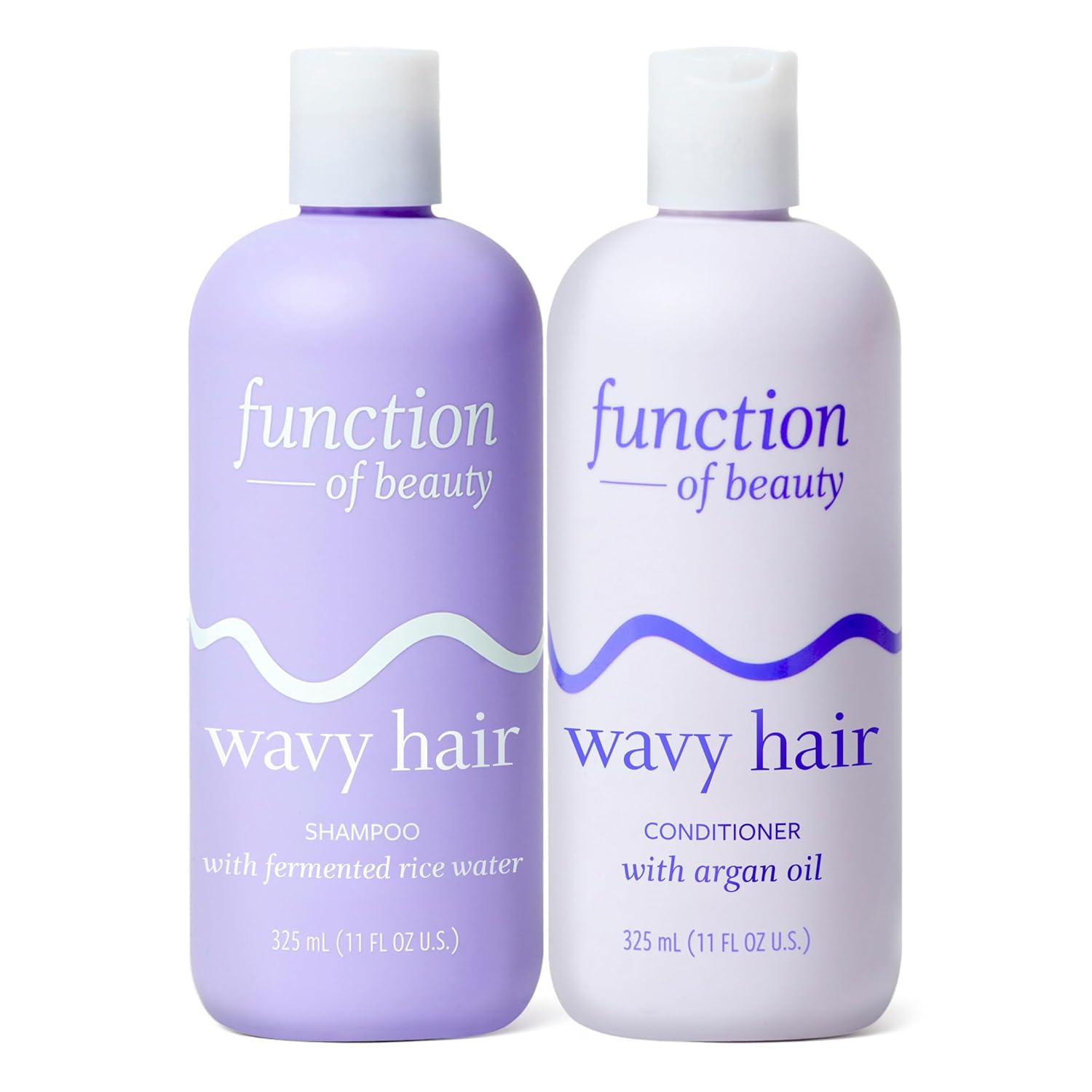
Function of Beauty Wavy Hair Shampoo Review: Unlock Your Best Waves
Salon-grade gentle cleansing formula designed to maintain optimal moisture balance, protect hair cuticles, and deliver touchable softness without harsh sulfates or parabens.

Curl Rhythm Deep Moisturizing Shampoo: The Ultimate Curl Savior
Salon-grade gentle cleansing formula designed to maintain optimal moisture balance, protect hair cuticles, and deliver touchable softness without harsh sulfates or parabens.
Frequently Asked Questions
Is it actually possible to remove heavy styling gels with a sulfate-free shampoo?
Yes, but it often requires a two-step approach. While a mild glucoside shampoo might struggle with heavy resins, a low-poo based on Sodium Cocoyl Isethionate or a specific clarifying CG cleanser can break down most water-soluble stylers. If you use heavy waxes or non-water-soluble silicones, you will need a clarifying wash to prevent "product layering," where new products sit on top of old residue.
Why does my scalp feel itchy after switching to a curly girl method sulfate free shampoo?
Itchiness usually stems from one of two things: buildup or a reaction to a specific ingredient. If you feel a "filmy" residue, your shampoo may be too mild for your sebum production levels, leading to buildup that irritates the scalp. Conversely, some people are sensitive to Cocamidopropyl Betaine, a common surfactant in sulfate-free formulas. If the itch is accompanied by redness, consider a formula using amino acid-based surfactants like Sodium Cocoyl Glutamate.
How often should I use a clarifying curly girl cleanser versus a regular low-poo?
This depends on your product load. If you use heavy creams and gels daily, a clarifying wash every two weeks is recommended. For those who use lightweight mousses or only a leave-in conditioner, once a month is usually sufficient. A good rule of thumb is to clarify when your curls lose their "spring" or when your conditioner no longer seems to penetrate the hair shaft.
Can I use a sulfate-free shampoo after a deep conditioner?
Generally, you should shampoo before deep conditioning. Deep conditioners are designed to penetrate the hair shaft and seal the cuticle. If you shampoo afterward, you risk washing away the nutrients and lipids the treatment just deposited. The only exception is if you are using a heavy oil-based treatment (like a pre-poo) that requires a cleanser to remove the excess grease from the scalp.
Ready to Transform Your Haircare Routine?
Discover our complete collection of top-rated, salon-tested sulfate-free shampoos and give your hair the gentle, restorative care it deserves today.