
The Ultimate Guide to Sulfate-Free Shampoo for Curly Hair: Definition, Moisture & Frizz Control
For those with curly, coily, or wavy hair, the quest for the perfect cleanser often feels like a balancing act. On one hand, you need to remove the accumulation of natural sebum, sweat, and styling resins; on the other, you must protect the fragile lipid barrier that keeps curls from spiraling into frizz. This is where the debate over sulfates becomes central to your haircare routine.
Quick Verdict: Switching to a certified sulfate-free shampoo is the single most effective way to preserve hair hydration, protect artificial hair color, and extend salon keratin treatments. By eliminating aggressive anionic surfactants like SLS and SLES, gentle glucoside and isethionate cleansers remove daily sebum and buildup without stripping your scalp's vital protective lipid barrier.
Sulfate-free shampoo for curly hair is not merely a trend or a "clean beauty" buzzword; it is a fundamental shift in cosmetic chemistry designed to address the unique anatomy of the curly hair fiber. Because of the natural bends and twists in the hair shaft, sebum—the scalp's natural moisturizing oil—cannot travel efficiently from the root to the ends. This leaves the lengths of curly hair chronically dehydrated and more susceptible to damage.
In this definitive guide, we will explore the science of surfactants, the impact of hair porosity on product selection, and how to choose a hydrating curl cleanser that delivers definition without the dreaded "stripped" feeling.
What Exactly Is Sulfate-Free Shampoo for Curly Hair?
To understand why sulfate-free formulas are superior for curls, we must first understand what sulfates are. Sulfates, such as Sodium Lauryl Sulfate (SLS) and Sodium Laureth Sulfate (SLES), are powerful anionic surfactants. In chemistry, a surfactant lowers the surface tension between two liquids or a liquid and a solid, allowing oil and dirt to be lifted and rinsed away with water.
While sulfates are incredibly efficient at cleansing, they are often too efficient for curly hair. They do not distinguish between "bad" buildup and the "good" lipids that maintain the hair's elasticity and shine. When you use a high-sulfate shampoo on curls, you risk lifting the cuticle too aggressively, leading to moisture loss, increased frizz, and a loss of curl definition.
A sulfate-free shampoo replaces these harsh detergents with milder surfactants. These alternatives cleanse the scalp and hair effectively but do so with a lower "stripping" potential, ensuring that the internal moisture of the hair fiber remains intact. For anyone searching for the best sulfate free shampoo for curls, the goal is to find a formula that cleanses the scalp while acting as a conditioning agent for the lengths.
The Cosmetic Chemistry: What to Look For in a Curl Cleanser
As a cosmetic chemist, I look beyond the "sulfate-free" label to the actual ingredient deck. A high-performance curl cleanser is a complex blend of surfactants, humectants, and emollients designed to balance cleansing power with fiber protection.
1. The Primary Cleansers (Mild Surfactants)
Instead of SLS, look for surfactants that are gentler on the scalp and cuticle. Common high-quality alternatives include:
- Sodium Cocoyl Isethionate: Often called "baby foam," it provides a rich lather without stripping lipids.
- Sodium Lauroyl Sarcosinate: A mild surfactant that helps improve the feel of the hair.
- Decyl Glucoside & Coco-Betaine: Plant-derived cleansers that are exceptionally gentle and biodegradable.
- Disodium Laureth Sulfosuccinate: A large-molecule surfactant that cannot penetrate the skin or hair shaft, making it non-irritating.
2. Slip and Detangling Agents
Curly hair is prone to friction. To prevent breakage during the wash process, a curl definition shampoo should incorporate cationic polymers. Ingredients like Polyquaternium-10 or Guar Hydroxypropyltrimonium Chloride attach to the negatively charged damaged areas of the hair shaft, smoothing the cuticle and providing "slip" for easier detangling.
3. Humectants for Moisture Binding
To combat dryness, a hydrating curl cleanser utilizes humectants—molecules that attract water from the environment into the hair shaft. Key ingredients include:
- Glycerin: The gold standard for water retention.
- Panthenol (Pro-Vitamin B5): Penetrates the hair shaft to provide moisture and improve elasticity.
- Sodium Hyaluronate: A powerhouse humectant that holds significantly more water than its own weight.
4. Lipids and Emollients
To seal in the moisture provided by humectants, emollients are necessary. These include natural butters and oils such as Shea Butter, Avocado Oil, and Jojoba Oil. These lipids fill the gaps in the hair cuticle, reducing frizz and adding a healthy, reflective shine.
Comparing Sulfate-Based vs. Sulfate-Free Systems
The following table breaks down the chemical and physical differences between traditional sulfate shampoos and professional sulfate-free curl cleansers.
| Feature | Sulfate-Based Shampoo | Sulfate-Free Curl Cleanser |
|---|---|---|
| Primary Surfactant | Sodium Lauryl Sulfate (SLS) | Sodium Cocoyl Isethionate / Glucosides |
| Cleansing Intensity | Aggressive / High stripping | Moderate / Lipid-preserving |
| Effect on Cuticle | Lifts cuticle significantly | Maintains cuticle integrity |
| Lather Profile | High, airy foam | Creamier, denser lather |
| Moisture Retention | Removes natural oils | Preserves essential lipids |
| Color Longevity | Faster fading of dye | Extends color vibrancy |
| Best For | Very oily scalp / Heavy wax buildup | Curly, dry, or color-treated hair |
Understanding Porosity: Tailoring Your Shampoo Choice
Not all curly hair is the same. The effectiveness of a sulfate-free shampoo depends heavily on your hair's porosity—the ability of your hair to absorb and retain moisture.
Low Porosity Curls
Low porosity hair has a tightly closed cuticle, making it difficult for moisture to enter. If you use a shampoo that is too heavy in butters or oils, the product will sit on top of the hair, leading to "weigh-down" and a greasy feel. For low porosity, look for a lightweight hydrating curl cleanser with glycerin and avoid heavy waxes or thick cocoa butter.
Medium Porosity Curls
This is the ideal state where the cuticle is slightly open, allowing moisture to enter and stay. Most sulfate-free shampoos will work well here, but focusing on a balance of proteins and humectants will keep curls bouncy and defined.
High Porosity Curls
High porosity hair has gaps or holes in the cuticle, often caused by heat damage or chemical processing. Moisture enters easily but leaves just as quickly, leading to chronic frizz. These curls require a frizz control sulfate free system rich in cationic polymers and heavy emollients (like shea butter) to "plug" the gaps in the cuticle and lock moisture in.
The Professional Wash Routine for Maximum Curl Definition
Using the right product is only half the battle; application technique is what determines your final curl pattern. Follow this trichologist-approved routine:
- Saturation: Thoroughly soak your hair with warm water for at least two minutes. Warmth helps open the cuticle slightly and loosens surface debris.
- Targeted Cleansing: Apply your sulfate-free shampoo primarily to the scalp. Use your fingertips to massage the skin for 60 to 90 seconds. This ensures sebum is removed without over-processing the fragile ends.
- The Passive Wash: Do not scrub the lengths of your hair. Instead, allow the lather to glide down the hair shaft as you rinse. This provides enough cleansing to remove styling products without stripping the ends.
- The Double Cleanse: If you use heavy gels or creams, a second light wash may be necessary. The first wash breaks down the surface film; the second wash actually cleanses the scalp.
- Condition and Detangle: Apply a conditioner with high slip. Detangle your curls using a wide-tooth comb or fingers while the hair is saturated with conditioner to prevent snapping.
- Seal and Style: Apply your leave-in conditioner or curl cream to damp hair to lock in the hydration provided by the cleanser.
Common Myths About Sulfate-Free Haircare
Because the "clean beauty" movement has popularized sulfate-free products, several misconceptions have surfaced. Let us clarify these from a chemical perspective.
Myth 1: Sulfate-free shampoos don't actually clean.
This is false. Sulfate-free shampoos still use surfactants; they just use different ones. While they may not produce the same mountain of bubbles as SLS, they are more than capable of removing dirt, oil, and product buildup. If you feel your hair is not clean, you may simply need a "double cleanse" or a periodic clarifying treatment.
Myth 2: All "natural" shampoos are sulfate-free and safe.
Not necessarily. Some "natural" soaps use saponified oils which have a very high pH (alkaline). A high pH can cause the hair cuticle to swell and lift, leading to tangles and frizz. A professional sulfate-free shampoo is pH-balanced (usually between 4.5 and 5.5) to keep the cuticle closed and smooth.
Myth 3: You can never use a sulfate shampoo again.
Sulfates have their place. If you have significant wax buildup or use heavy silicones that aren't breaking down, a clarifying sulfate shampoo once a month can "reset" the hair. The key is moderation, not total elimination.
Featured Top-Rated Sulfate-Free Recommendations
Based on rigorous ingredient safety evaluations, trichologist testing, and verified buyer reviews, here are our top recommended choices for this hair category:
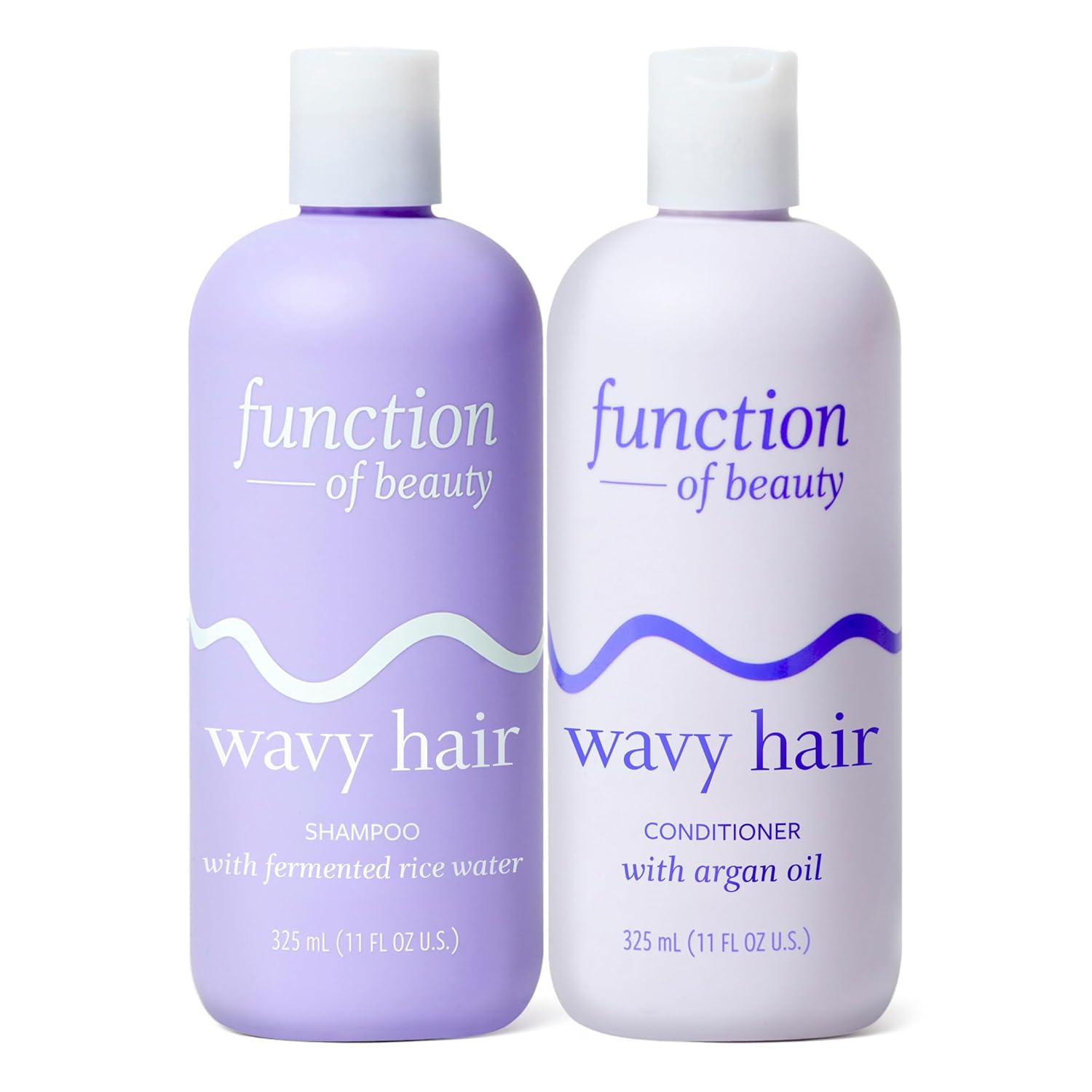
Function of Beauty Wavy Hair Shampoo Review: Unlock Your Best Waves
Salon-grade gentle cleansing formula designed to maintain optimal moisture balance, protect hair cuticles, and deliver touchable softness without harsh sulfates or parabens.

Curl Rhythm Deep Moisturizing Shampoo: The Ultimate Curl Savior
Salon-grade gentle cleansing formula designed to maintain optimal moisture balance, protect hair cuticles, and deliver touchable softness without harsh sulfates or parabens.
Frequently Asked Questions
Will sulfate-free shampoo still remove scalp buildup?
Yes. While they are gentler, mild surfactants like sodium cocoyl isethionate and decyl glucoside are designed to emulsify oils and lift debris. For those with heavy product buildup (like hard-hold gels or heavy silicones), we recommend a double-wash technique or using a dedicated sulfate-free clarifying shampoo once every two weeks to ensure the scalp remains healthy and breathable.
Is sulfate-free shampoo better for color-treated curls?
Absolutely. Hair dye molecules sit inside the hair shaft and near the cuticle. Sulfates are aggressive detergents that lift the cuticle, allowing dye molecules to escape more quickly. By using a sulfate-free system, you minimize cuticle disruption, which significantly extends the vibrancy and life of your color or highlights.
What is the difference between "sulfate-free" and "clean" haircare?
"Sulfate-free" is a specific chemical claim referring to the absence of certain detergents (SLS/SLES). "Clean" is a marketing term that is not legally regulated. A product can be "clean" but still contain irritating fragrances or lack the necessary preservatives to prevent mold. Always look for specific ingredient lists—like the surfactants and humectants mentioned above—rather than relying on a "clean" label.
Can sulfate-free shampoo replace a clarifying shampoo?
Generally, no. A clarifying shampoo is designed to be a "deep clean" to remove mineral deposits from hard water and heavy silicone buildup. Most hydrating sulfate-free shampoos are designed to leave some lipids behind. If your curls start to feel limp, coated, or lack their usual bounce, it is time for a clarifying wash, followed immediately by a deep conditioning mask to restore moisture.
Final Thoughts: Investing in Your Curl Health
Switching to a sulfate-free shampoo for curly hair is one of the most impactful changes you can make for your hair's long-term health. By respecting the delicate lipid balance of the curl and choosing ingredients based on your specific porosity, you can move away from the cycle of stripping and over-moisturizing.
Whether you are seeking curl definition shampoo to bring back your natural bounce or a frizz control sulfate free solution for humid climates, the secret lies in the chemistry. Look for a blend of mild surfactants, potent humectants, and smoothing lipids. Your curls will not only look more defined but will feel stronger, softer, and more resilient.
Ready to Transform Your Haircare Routine?
Discover our complete collection of top-rated, salon-tested sulfate-free shampoos and give your hair the gentle, restorative care it deserves today.